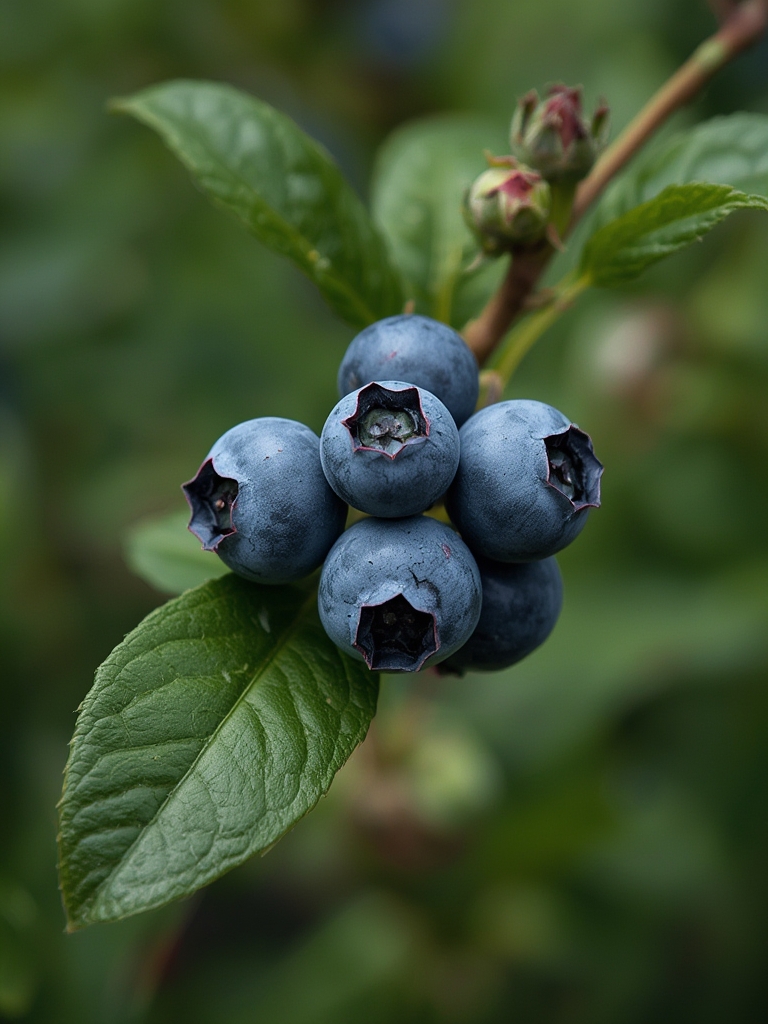

Have you ever tasted a sun-warmed blueberry freshly picked from your own garden? There’s something magical about growing your own blueberry bushes and harvesting these antioxidant-rich fruits right outside your door. Whether you have a sprawling backyard or just a small patio, cultivating blueberries at home allows you to enjoy organic, pesticide-free fruit while saving money on those expensive grocery store packs. Blueberry bushes also add ornamental value to your landscape with their pretty spring flowers, summer berries, and brilliant fall foliage. Let’s explore how you can grow these nutritional powerhouses at home.
Table of Contents
Materials & Supplies
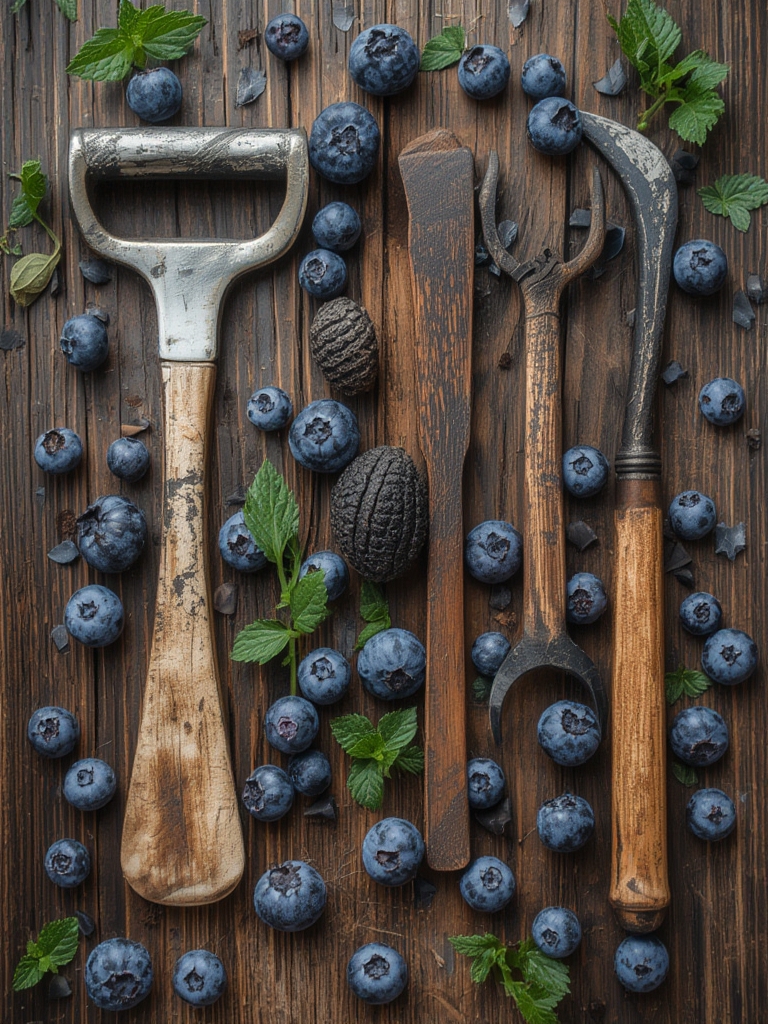
To successfully grow blueberries, you’ll need:
- Blueberry plants: Choose 2-3 year old plants from varieties suited to your climate (highbush, lowbush, or rabbiteye)
- Acidic soil mix: pH 4.5-5.5 is ideal (use pine bark, peat moss, and garden soil)
- Soil pH tester: Essential for monitoring acidity levels
- Containers or garden space: 18-24 inch pots if container growing
- Acid-loving plant fertilizer: Look for those formulated for azaleas or rhododendrons
- Organic mulch: Pine needles, sawdust, or wood chips work well
- Watering can or irrigation system: For consistent moisture delivery
- Pruning shears: For annual maintenance
- Bird netting: Optional but recommended to protect your harvest
Timing / Growing Schedule
Blueberries are long-term garden investments that reward patience. Plant bare-root plants in early spring or container-grown plants anytime during the growing season. Most varieties take 2-3 years before producing significant harvests, with production peaking at 6 years and continuing for 20+ years with proper care. The berry harvest typically spans 2-5 weeks in summer (June-August depending on your climate and variety). This timeline is comparable to other perennial fruits like raspberries but with less annual maintenance required.
Step-by-Step Instructions

Test and prepare your soil: Blueberries require acidic soil (pH 4.5-5.5). Test your soil and amend with sulfur or peat moss if needed at least 6 months before planting.
Select appropriate varieties: Choose at least two compatible varieties for cross-pollination and better yields. Consider your climate zone and required chill hours.
Plant properly: Dig holes twice as wide and just as deep as the root ball. Space plants 4-6 feet apart (2-3 feet for lowbush varieties). Mix in plenty of organic matter.
Mulch heavily: Apply 2-4 inches of acidic mulch like pine needles or wood chips to retain moisture and maintain soil acidity.
Water correctly: Provide 1-2 inches of water weekly, keeping soil consistently moist but not waterlogged. A soaker hose works perfectly for this.
Fertilize sparingly: Use acid-loving plant fertilizer in early spring when growth begins and again after flowering. Avoid over-fertilizing, which can damage roots.
Nutritional Benefits
Homegrown blueberries deliver exceptional nutrition and flavor. They’re packed with antioxidants, particularly anthocyanins that give them their blue color and provide heart and brain health benefits. Blueberries are also rich in vitamin C, vitamin K, fiber, and manganese. Fresh-picked berries contain more nutrients than store-bought ones that may have been harvested weeks earlier.
Tips and Alternative Methods
Container growing works exceptionally well for blueberries, making them suitable for patios and balconies. Use large pots (18+ inches) with drainage holes and acidic potting mix. In colder regions, consider highbush varieties like ‘Patriot’ or ‘Northland’ that tolerate winter temperatures. Southern gardeners should look to rabbiteye varieties like ‘Tifblue’ that handle heat better. For indoor growing, dwarf varieties like ‘Top Hat’ can produce berries on a sunny windowsill.
Common Mistakes to Avoid
- Ignoring soil pH: Blueberries will languish in neutral or alkaline soil. Test regularly and maintain acidity.
- Insufficient watering: Blueberries have shallow roots and need consistent moisture, especially during fruit development.
- Skipping cross-pollination: Plant at least two different varieties for better yields.
- Over-pruning young plants: Wait until year three or four for significant pruning.
- Harvesting too early: Let berries hang for 5-7 days after turning blue for maximum sweetness.
Storage / Maintenance Tips
Prune blueberry bushes annually in late winter to remove dead wood and maintain an open center. Remove flower buds entirely during the first year to encourage root establishment. For long-term maintenance, remove the oldest, thickest canes (20% of the bush) each year to encourage new growth.
Fresh berries can be refrigerated for up to two weeks or frozen on a tray then transferred to freezer bags for year-round enjoyment.
Conclusion
Growing blueberry bushes offers incredible rewards – beautiful plants, delicious fruit, and numerous health benefits. Though they require some initial effort to establish, these long-lived plants will provide decades of bountiful harvests with relatively little maintenance. Start with the right varieties, create the proper soil conditions, and you’ll be enjoying summer blueberry cobblers made from your very own fruit for years to come.
FAQs
How long before my blueberry bushes produce fruit?
Most plants begin producing small harvests in their second or third year, with production increasing significantly by years 4-6.
Can blueberries grow in containers?
Absolutely! Use large containers (18-24 inches) with drainage holes and acidic potting mix for excellent results.
How do I protect my blueberries from birds?
Bird netting draped over bushes or a simple frame is the most effective method. Install when berries begin turning blue.
Why are my blueberry leaves turning yellow?
This typically indicates iron deficiency due to soil pH being too high. Add sulfur or acidic amendments and mulch with pine needles.
Do all blueberry varieties taste the same?
No, flavors range from sweet to tart depending on variety. Lowbush types often have more intense flavor, while highbush varieties produce larger, sometimes milder berries.