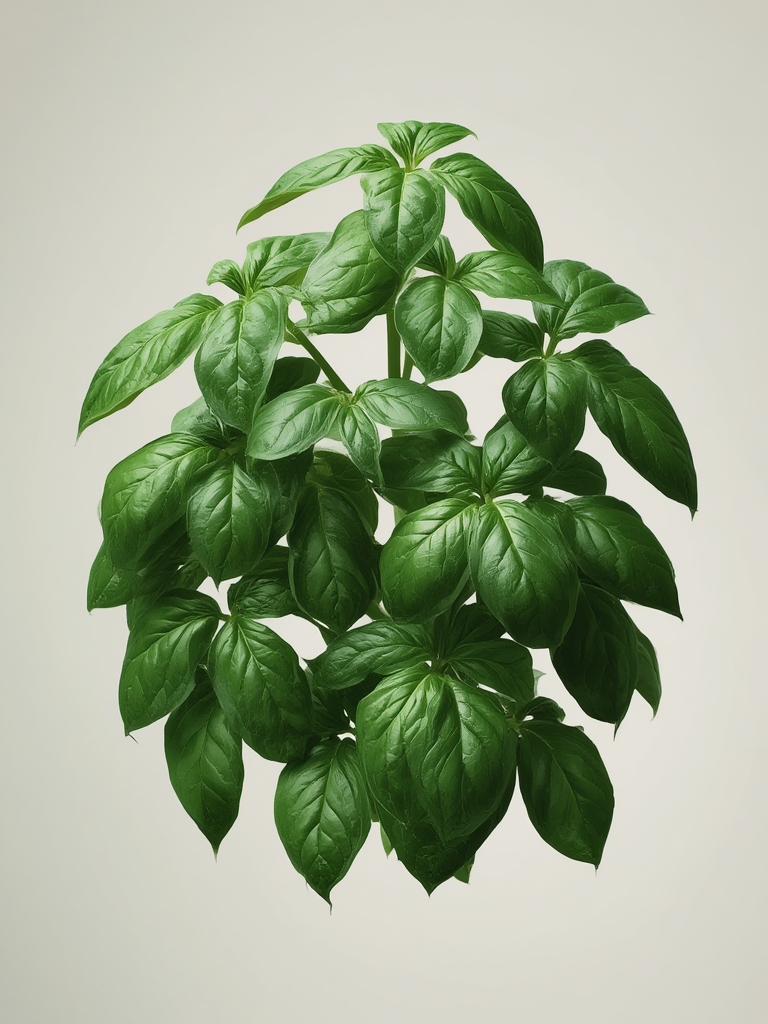

Have you ever noticed how store-bought basil lacks the intense aroma and flavor of homegrown varieties? Growing your own basil is not only satisfying but also rewards you with an abundant supply of this versatile herb that elevates countless dishes. Whether you’re a novice gardener or seasoned green thumb, cultivating basil at home offers incredible value—providing fresher flavor, significant cost savings, and the joy of harvesting this aromatic herb whenever cooking inspiration strikes. With the right approach, you can grow basil that produces bigger leaves and more robust flavors than anything you’ll find at the supermarket.
Table of Contents
Materials & Supplies
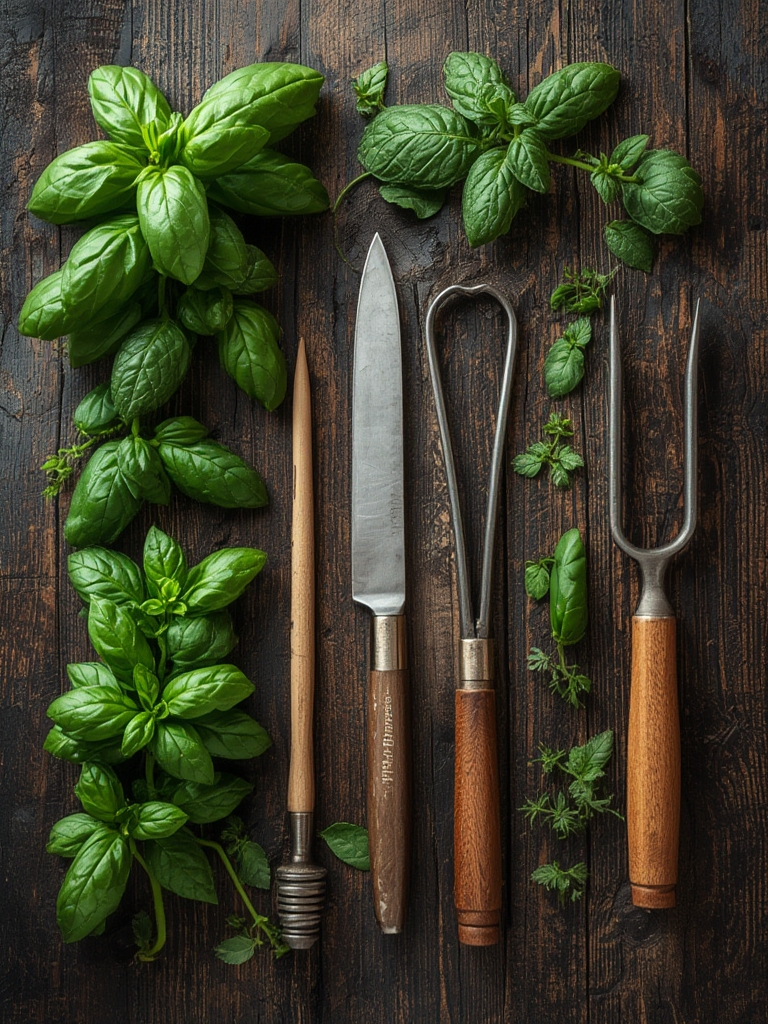
To get started with your basil garden, you’ll need:
- Basil seeds or seedlings: Sweet Genovese basil is most popular, but consider Thai, lemon, or purple varieties for diversity
- Potting mix: Lightweight, well-draining soil with organic matter (look for mixes specific to herbs)
- Containers: 8-12 inch pots with drainage holes (terra cotta works exceptionally well)
- Garden space: If planting outdoors, select a location with 6-8 hours of sunlight
- Watering can: With a gentle spray to avoid disturbing young plants
- Organic fertilizer: Liquid seaweed or fish emulsion works well for herbs
- Pruning shears: Clean, sharp scissors for harvesting
- Plant markers: To identify different varieties if growing multiple types
Timing / Growing Schedule
Basil thrives during warm seasons, requiring soil temperatures above 50°F (10°C) for germination. Start seeds indoors 6-8 weeks before your last spring frost date. Seedlings take 5-10 days to germinate and will be ready for transplanting in about 3-4 weeks. Expect your first harvest 6-8 weeks after planting, with a full production period lasting 3-4 months in optimal conditions. Compared to other herbs like mint or oregano, basil has a shorter productive season but produces abundantly during peak months.
Step-by-Step Instructions
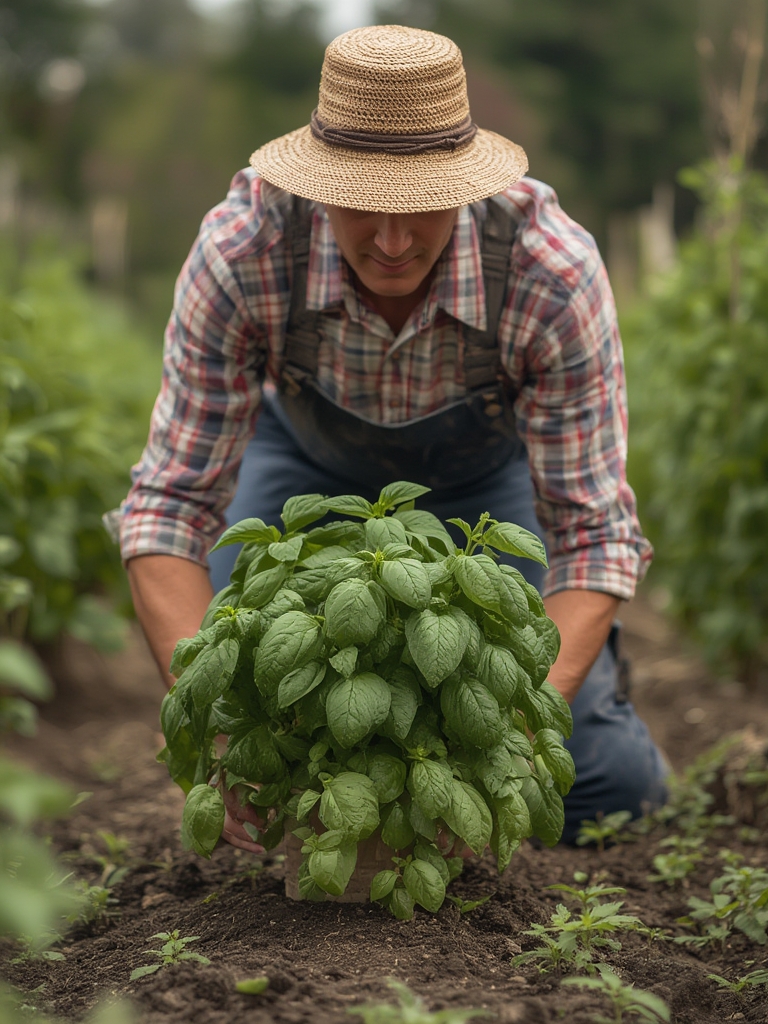
Seed starting: Plant seeds 1/4 inch deep in moistened potting mix. For faster germination, maintain soil temperature between 70-75°F (21-24°C) using a heat mat if necessary.
Seedling care: Once seedlings develop their first true leaves, thin to one plant every 6-8 inches. This critical step ensures proper air circulation and prevents competition.
Transplanting: Move seedlings outdoors after all danger of frost has passed and soil has warmed. Harden off plants by gradually exposing them to outdoor conditions over 7-10 days.
Watering routine: Keep soil consistently moist but never soggy. Water at the base rather than overhead to prevent leaf diseases. Pro tip: Water in the morning so leaves dry completely by evening.
Fertilizing: Feed plants with diluted organic fertilizer every 4-6 weeks. Avoid high-nitrogen fertilizers as they reduce essential oil concentration that gives basil its flavor.
Regular harvesting: Begin harvesting when plants reach 6-8 inches tall. Pinch stems just above a leaf intersection to encourage bushier growth and prevent flowering.
Nutritional Benefits
Basil is packed with vitamin K (important for blood clotting), vitamin A (supports vision and immune function), and manganese (aids metabolism). It contains powerful antioxidants and anti-inflammatory compounds like eugenol, linalool, and citronellol. Additionally, essential oils in basil have antimicrobial properties that may help fight infections. Growing your own ensures you get these benefits at peak potency, as essential oils begin diminishing immediately after harvest.
Tips and Alternative Methods
For apartment dwellers, basil thrives on sunny windowsills or balconies in self-watering containers. In cooler climates, grow basil under floating row covers to extend your season by several weeks. For continuous harvests, practice succession planting by starting new seedlings every 3-4 weeks. Consider companion planting basil with tomatoes—this classic pairing not only deters pests but enhances tomato flavor while both plants benefit from similar growing conditions.
Common Mistakes to Avoid
Insufficient sunlight: Basil needs at least 6 hours of direct sunlight—leggy plants with pale leaves indicate inadequate light.
Overwatering: Soggy soil leads to root rot. Wait until the top inch of soil feels dry before watering again.
Letting plants flower: Once basil blooms, leaf production decreases and flavor becomes bitter. Pinch flower buds immediately.
Cold exposure: Temperatures below 50°F (10°C) damage leaves and stunt growth. Protect plants during unexpected cool spells.
Overcrowding: Poor air circulation encourages fungal diseases. Space plants 12-18 inches apart in garden beds.
Storage / Maintenance Tips
Harvest basil in the morning when oil concentration is highest. For short-term storage, place stems in water like a bouquet (changing water daily) or wrap leaves in slightly damp paper towels in the refrigerator. Freeze chopped basil in ice cube trays with olive oil for longer preservation. For dried basil, hang bunches upside down in a dry, dark location until crisp. Prune regularly to maintain shape and promote bushiness, always cutting above leaf nodes to stimulate new growth.
Conclusion
Growing basil at home transforms your culinary experiences with flavor that simply can’t be purchased. By following these cultivation techniques, you’ll enjoy abundant harvests of this aromatic herb throughout the growing season. The minimal investment in materials and time yields significant returns in fresh herbs, connecting you more deeply with your food while elevating everyday cooking. Start with one variety, then expand your basil garden as your confidence grows—your pasta dishes, salads, and pesto will never taste the same again!
FAQs
Why are my basil leaves turning yellow?
Yellowing leaves usually indicate overwatering or nutrient deficiency. Ensure proper drainage and apply a balanced organic fertilizer diluted to half strength.
Can I grow basil indoors year-round?
Yes, with supplemental grow lights providing 12-14 hours of light daily and maintaining temperatures between 65-75°F (18-24°C).
How do I prevent basil from going to seed?
Regularly pinch off flower buds as soon as they appear and harvest from the top of the plant, removing at least 1/3 of the growth every few weeks.
Why does my basil have brown spots on the leaves?
Brown spots typically indicate fungal disease from excessive moisture on leaves. Water at the base, improve air circulation, and remove affected leaves promptly.
Is it better to start basil from seeds or seedlings?
Seedlings provide faster results, but starting from seeds offers more variety options and typically produces stronger plants with better adaptation to your specific growing conditions.