


Have you ever considered growing your own oats? This versatile grain not only makes for a beautiful addition to your garden but also provides a nutritious harvest that can be used in countless ways in your kitchen. Growing oats at home connects you to ancient agricultural traditions while providing a sustainable source of whole grains right from your backyard. Whether you’re a seasoned gardener or a curious beginner, cultivating oats offers a rewarding experience that combines beauty and practicality in your garden space.
Table of Contents
Materials & Supplies
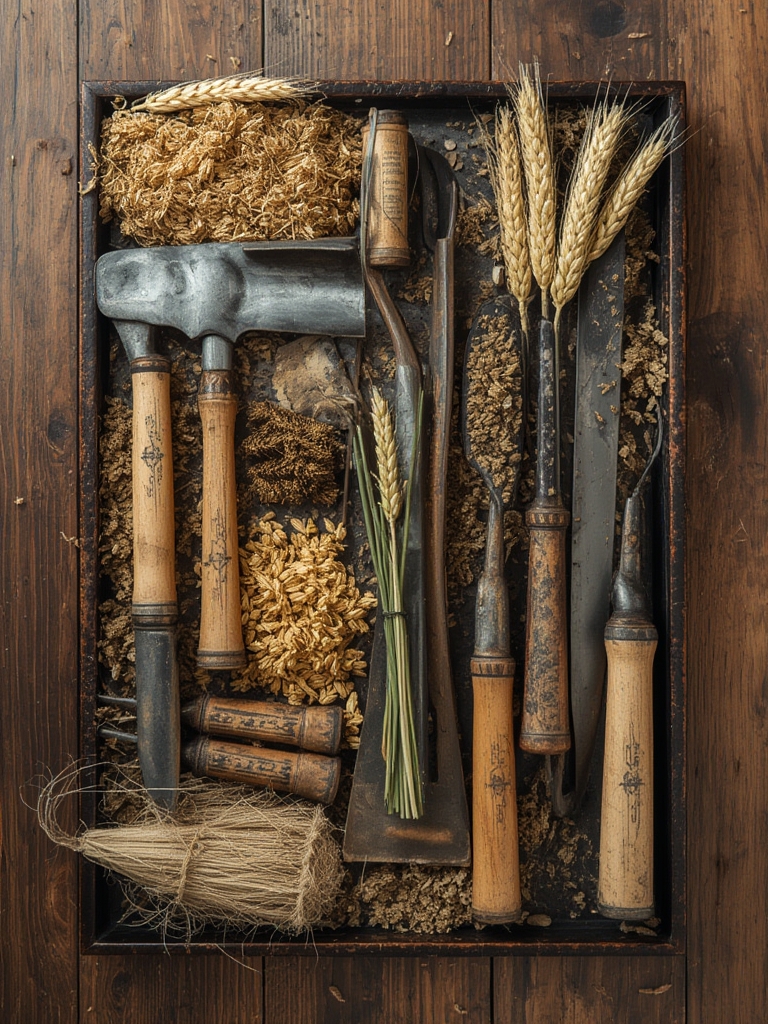
To start your oat-growing journey, you’ll need:
- Oat Seeds: Choose untreated, organic oat seeds (Avena sativa). Hulled varieties are easier for home processing.
- Garden Space: A minimum of 100 square feet for a meaningful harvest, though smaller plots work for experimentation.
- Garden Tools: Basic implements including a rake, hoe, and spade for soil preparation.
- Soil Amendments: Compost or aged manure to enrich your soil.
- Watering Equipment: Watering can or irrigation system for initial growth stages.
- Scythe or Garden Scissors: For harvesting (a small sickle works well for home gardens).
- Threshing Tools: A plastic bucket and wooden stick for small-scale threshing.
- Winnowing Basket: Or a fan and large bowl for separating chaff from grain.
- Storage Containers: Airtight glass jars for storing your harvested oats.
Timing / Growing Schedule
Oats perform best as a cool-season crop. Plant fall oats 6-8 weeks before the first frost for a spring harvest, or plant spring oats as soon as soil can be worked (typically March-April) for a summer harvest. From planting to harvest, expect approximately 90-120 days depending on your variety and growing conditions. This timeframe is comparable to growing wheat, making oats an accessible grain crop for home gardeners with moderate patience.
Step-by-Step Instructions
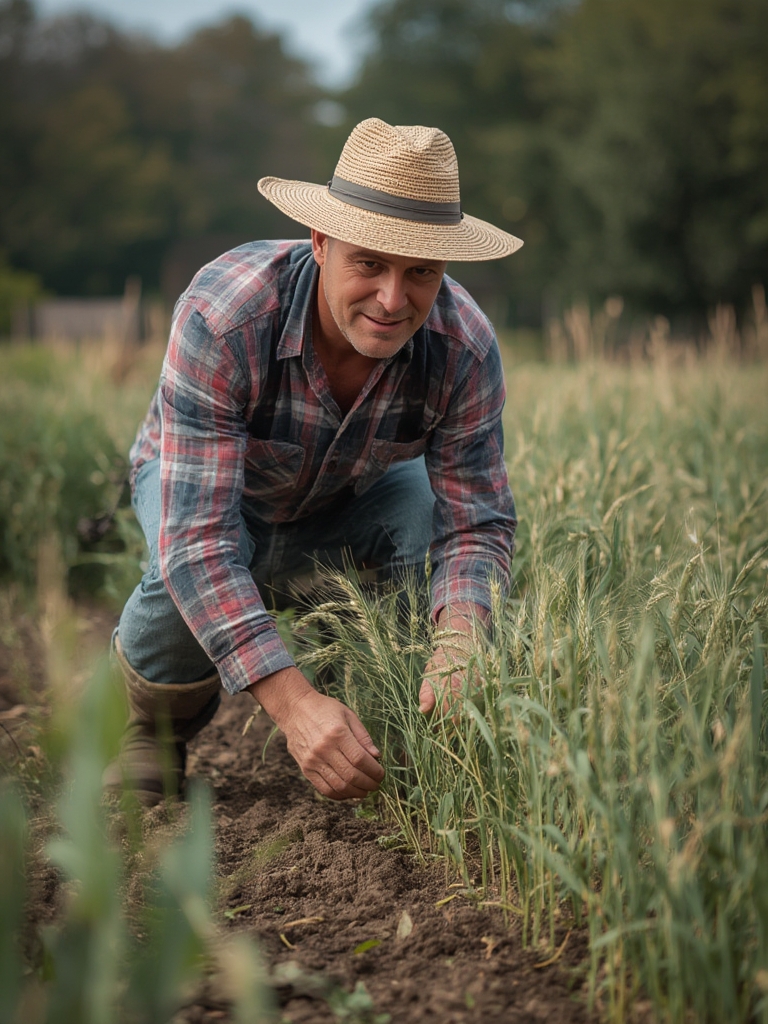
Prepare Your Soil: Clear the area of weeds and debris. Work the soil to a depth of 6-8 inches, incorporating compost. Oats prefer a pH between 6.0-7.0.
Pro tip: Add a light layer of composted manure two weeks before planting to boost soil fertility.Sow Your Seeds: Broadcast seeds evenly across your prepared area at a rate of about 3-4 pounds per 1000 square feet. Rake lightly to cover seeds with approximately 1 inch of soil.
Pro tip: Mix seeds with sand for more even distribution when broadcasting.Water Thoroughly: Provide consistent moisture during germination and early growth. Once established, oats are relatively drought-tolerant.
Pro tip: Morning watering reduces fungal disease risk.Monitor Growth: Watch for germination within 7-10 days. Thin seedlings if they appear overcrowded, aiming for plants about 2-3 inches apart.
Harvest When Ready: Oats are ready when stalks turn golden and seed heads bend with weight. Cut stalks about 6 inches above the ground using your scythe or scissors.
Pro tip: Test readiness by chewing a few grains—they should be firm but not rock hard.
Nutritional Benefits
Home-grown oats offer exceptional nutritional value with higher beta-glucan fiber content than store-bought varieties. This soluble fiber helps lower cholesterol and improves heart health. Fresh oats also contain more vitamin E, B vitamins, and antioxidants than processed versions. Growing your own ensures you have chemical-free, nutrient-dense whole grains that support digestive health and provide sustained energy.
Tips, Alternative Methods, or Gardening Advice
For small spaces, try container growing using deep planters at least 10 inches deep. While yield will be smaller, it’s perfect for educational purposes or decoration. In warmer climates, focus on fall planting for spring harvest before summer heat arrives. Consider companion planting with nitrogen-fixing legumes like field peas to improve soil health. For organic growing, introduce ladybugs to control aphids that sometimes target young oat plants.
Common Mistakes to Avoid
Over-watering Established Plants: Once oats develop their root system, they need less water. Excessive moisture can lead to fungal issues.
Solution: Allow soil to partially dry between waterings.Harvesting Too Late: Delaying harvest can result in seed shattering and loss.
Solution: Harvest when grains are firm but can still be dented with your fingernail.Inadequate Spacing: Crowded plants compete for nutrients and are more disease-prone.
Solution: Thin seedlings early to ensure proper air circulation.Ignoring Wildlife Protection: Birds love oat seeds and young shoots.
Solution: Consider lightweight netting during vulnerable growth stages.
Storage / Maintenance Tips
Store harvested oat grains in airtight containers in a cool, dry place. Properly dried and stored, they can last 1-2 years. For ongoing care, remove weeds regularly, especially during early growth stages when oats are establishing. Apply a light organic nitrogen fertilizer if leaves appear yellowish. For fall-planted oats, add a layer of mulch before winter to protect from extreme cold in northern regions.
Conclusion
Growing oats brings the satisfaction of cultivating one of humanity’s oldest grain crops while enhancing your garden’s biodiversity. The process connects you to agricultural traditions and provides nutritious, homegrown whole grain. Start small, learn from each season, and soon you’ll be enjoying the unique pleasure of growing this versatile grain. Why not set aside a corner of your garden this season and experience the rewarding cycle of growing your own oats?
FAQs
How much space do I need to grow enough oats for my family?
For a family of four, approximately 200-400 square feet would provide a meaningful supplementary harvest of about 5-10 pounds of oats.
Can I grow oats in a container garden?
Yes, deep containers (12+ inches) can support oat growth, though yields will be smaller. Use one container per 8-10 plants for best results.
Do I need special equipment to process my harvested oats?
For small harvests, simple household items work well—rolling pins for threshing and a box fan for winnowing. Specialized equipment is only necessary for larger harvests.
How do I know if my soil is suitable for growing oats?
Oats are adaptable but prefer well-draining soil with a pH between 6.0-7.0. A simple soil test can confirm suitability, but most garden soils will support oat growth with basic amendments.