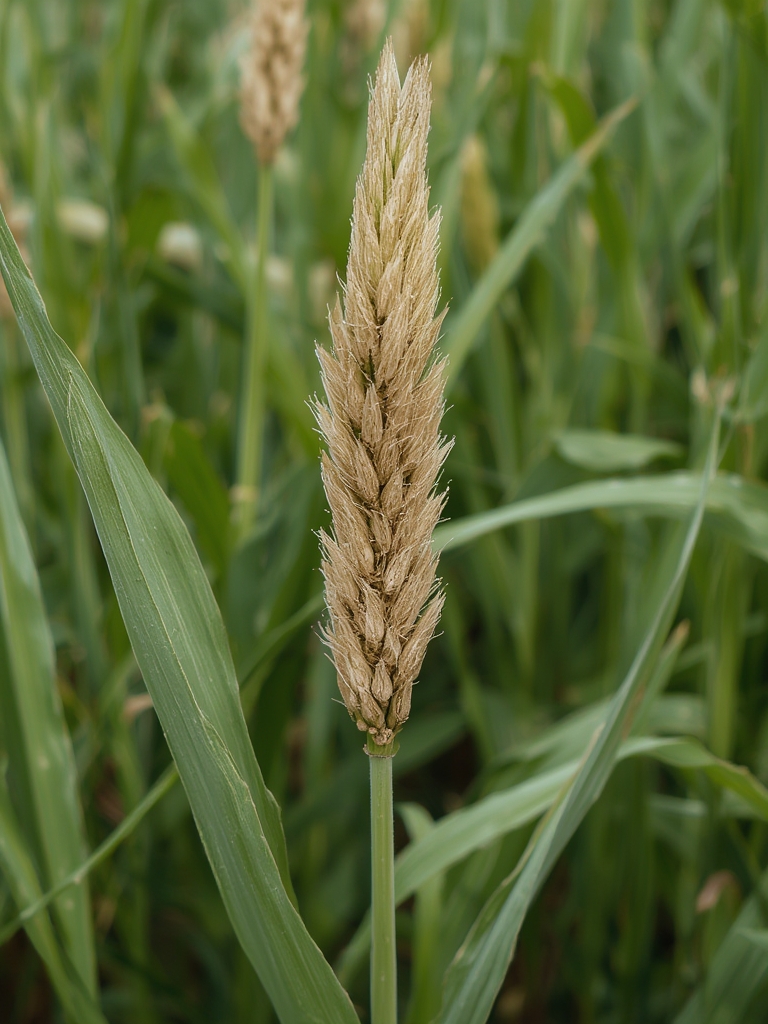

Have you ever considered growing sorghum in your garden or small farm? This versatile, drought-resistant grain crop might be the perfect addition to your agricultural pursuits. Whether you’re looking to harvest nutrient-dense grains or produce quality forage for livestock, sorghum offers incredible value with minimal water requirements compared to corn and other traditional crops. As climate challenges intensify, sorghum’s remarkable resilience makes it increasingly popular among home gardeners and small-scale farmers seeking sustainable alternatives.
Table of Contents
Materials & Supplies

To successfully grow sorghum, you’ll need:
- Sorghum seeds: Choose varieties appropriate for your purpose (grain, forage, or dual-purpose)
- Garden soil: Well-draining with moderate fertility
- Compost or organic matter: For soil amendment
- Nitrogen fertilizer: Apply sparingly as excessive nitrogen reduces grain yield
- Phosphorus and potassium fertilizers: Based on soil test results
- Garden tiller or hoe: For soil preparation
- Garden rake: For creating smooth seedbeds
- Watering equipment: Drip irrigation preferred for water conservation
- Pruning shears: For harvesting seed heads
- Protective row covers (optional): For early planting in cool regions
- Bird netting (optional): To protect ripening grain heads
Timing / Growing Schedule
Sorghum requires warm soil temperatures (65°F or higher) for germination. Plant after all danger of frost has passed, typically 2-3 weeks after the corn planting date in your region. From planting to grain harvest, expect 90-120 days depending on variety and growing conditions. Forage sorghum can be harvested earlier, approximately 60-90 days after planting. Plan accordingly, as sorghum’s growth period is slightly shorter than corn but longer than most garden vegetables.
Step-by-Step Instructions

Prepare your soil: Till to a depth of 6-8 inches, removing debris and breaking up clods. Incorporate compost to improve soil structure.
Test and amend soil: Sorghum prefers a pH of 6.0-7.0. Apply lime if needed based on soil test results.
Create planting rows: Make shallow furrows 1-2 inches deep, spaced 24-36 inches apart for grain sorghum (closer spacing for forage varieties).
Sow seeds: Plant seeds 1 inch deep, spacing them 6-8 inches apart within rows. For small gardens, consider block planting with 8-inch spacing in all directions.
Water thoroughly: Provide consistent moisture until germination, which typically occurs within 5-10 days.
Thin seedlings: Once plants reach 4-6 inches tall, thin to final spacing of 8-12 inches for optimal yield.
Control weeds: Keep the area weed-free, especially during the first 30 days when plants are establishing.
Monitor for pests: Watch for aphids, sorghum midge, and birds. Apply organic controls as needed.
Harvest: For grain, wait until seeds are hard and moisture content drops below 15%. For forage, harvest at soft dough stage for optimal nutrition and digestibility.
Nutritional Benefits
Sorghum grain is gluten-free and packed with protein, fiber, B vitamins, and essential minerals including iron and zinc. It contains beneficial antioxidants and has a lower glycemic index than many other grains, making it excellent for blood sugar management. For livestock, sorghum forage provides high-quality feed with good protein content and digestibility when harvested at the appropriate stage.
Tips and Alternative Methods
Consider intercropping sorghum with legumes like cowpeas to improve soil fertility and maximize land use. For container growing, choose dwarf varieties and use pots at least 12 inches deep. In northern climates, select early-maturing varieties and use black plastic mulch to warm soil faster. For small spaces, sudangrass or sweet sorghum varieties offer more versatility than grain types.
Common Mistakes to Avoid
Planting too early: Sorghum seeds will rot in cold, wet soil—wait until soil temperatures are consistently above 65°F.
Planting too deep: Seeds struggle to emerge when planted deeper than 1 inch.
Overwatering: Excessive moisture promotes disease and can reduce yield. Allow soil to dry slightly between waterings.
Over-fertilizing: Too much nitrogen promotes vegetative growth at the expense of grain production.
Harvesting too early: Premature harvest results in lower yields and poor-quality grain.
Storage / Maintenance Tips
Store harvested grain in airtight containers after thoroughly drying to prevent mold growth. For ongoing maintenance, water deeply but infrequently, allowing the top inch of soil to dry between waterings. Side-dress with nitrogen fertilizer when plants are knee-high, but avoid late-season applications. Remove any diseased plants promptly to prevent spread.
Conclusion
Growing sorghum offers multiple rewards—nutritious grain, quality livestock feed, and the satisfaction of cultivating a sustainable crop. Its drought tolerance and minimal input requirements make it ideal for environmentally conscious gardeners. Whether you’re pursuing self-sufficiency or simply expanding your gardening repertoire, sorghum deserves a place in your growing plans. Try incorporating this remarkable grain into your garden this season!
FAQs
How much sorghum can I grow in a small garden?
A 100-square-foot plot can yield approximately 10-15 pounds of grain, depending on variety and growing conditions.
Can sorghum be grown in containers?
Yes, dwarf varieties can be grown in containers at least 12 inches deep, though yield will be limited.
Is sorghum difficult to process for human consumption?
Home processing requires threshing the seeds and removing the hulls, which can be done manually for small quantities using a food processor or dedicated grain mill.
How do I prevent birds from eating my sorghum grain?
Cover developing seed heads with lightweight mesh bags or install bird netting over the entire crop once seeds begin to form.
Can I save sorghum seeds for next year?
Yes, select seeds from the healthiest plants with the best characteristics, ensuring they’re fully mature and properly dried before storage.