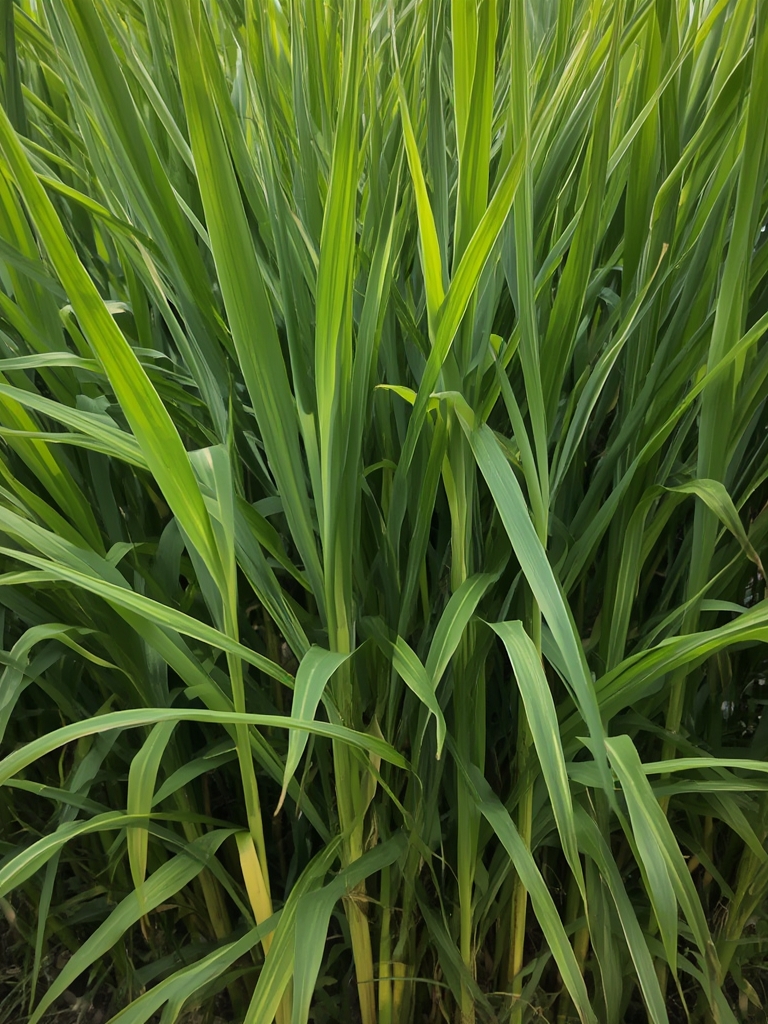

Have you ever sprinkled store-bought lemongrass into your favorite Thai curry and wondered if you could grow those fragrant stalks yourself? Growing lemongrass at home isn’t just possible—it’s surprisingly simple and incredibly rewarding. With its distinctive citrusy aroma and versatile culinary uses, lemongrass deserves a spot in your garden or kitchen windowsill. Whether you’re an experienced gardener or a curious beginner, these tricks will help you cultivate thick, aromatic lemongrass stalks that outshine anything you’ll find at the supermarket.
Table of Contents
Materials & Supplies
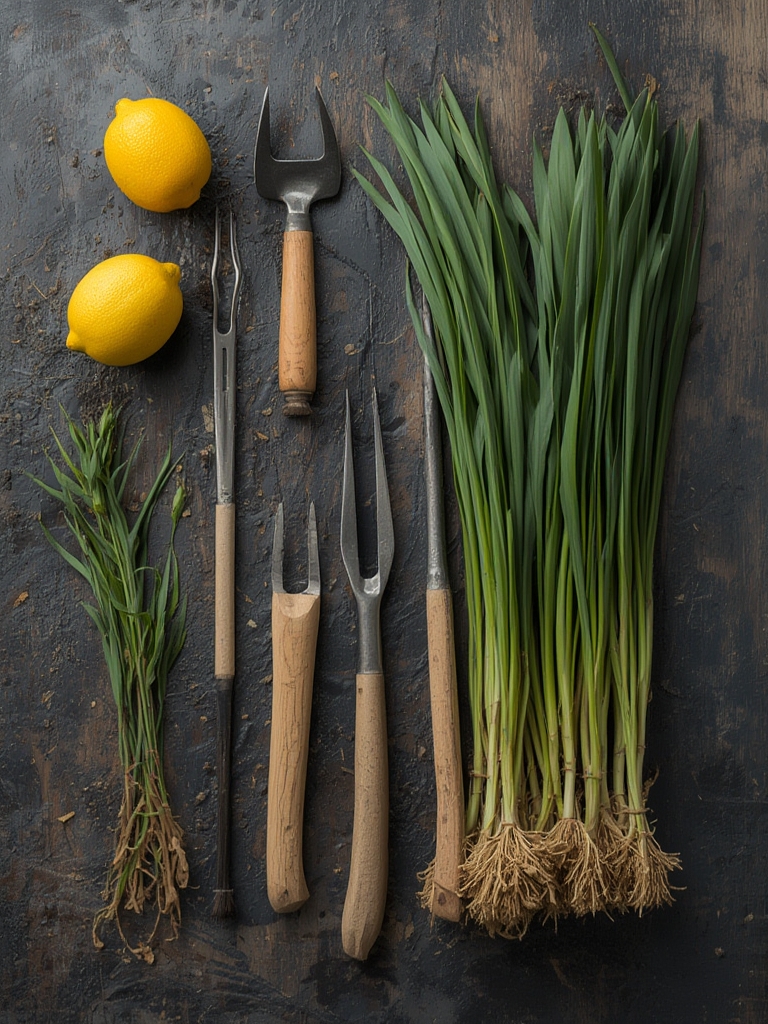
To start your lemongrass growing journey, gather these essential items:
- Lemongrass stalks with intact roots (available at Asian markets or grocery stores) or lemongrass seeds
- Well-draining potting soil mixed with 30% compost for nutrition
- Container (at least 12 inches deep and 12 inches wide) with drainage holes
- Organic slow-release fertilizer (NPK 5-5-5 or similar balanced formula)
- Pruning shears for harvesting
- Watering can with fine spout for controlled watering
- Spray bottle for misting (optional but helpful in dry climates)
- Mulch (straw or coconut coir work well)
Optional but recommended: pH testing kit (lemongrass prefers slightly acidic soil, pH 6.0-7.0) and high-phosphorus fertilizer to encourage thicker stalk development.
Timing / Growing Schedule
Lemongrass is a tropical perennial that grows best when started in spring. From planting to first harvest typically takes about 4-6 months. In warmer zones (9-11), lemongrass grows year-round. In cooler regions, start indoors 6-8 weeks before the last frost date.
The growing cycle follows this timeline:
- Establishment phase: 2-3 weeks for rooting
- Growth phase: 3-4 months to reach harvestable size
- Harvest season: Late summer through fall
- Dormancy: Winter (in colder zones)
This timing is significantly faster than other perennial herbs like rosemary or sage, making lemongrass a satisfying choice for impatient gardeners.
Step-by-Step Instructions
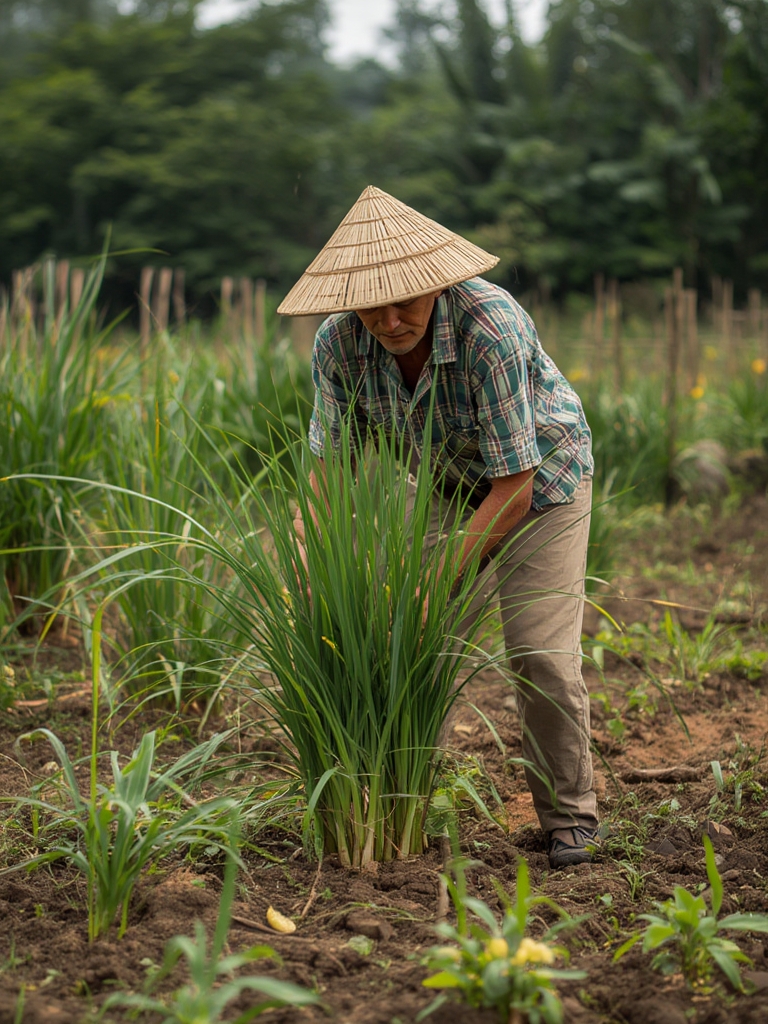
Start from stalks or seeds: For quickest results, place store-bought lemongrass stalks with intact bases in a glass of water until roots develop (usually 2-3 weeks). Alternatively, sow seeds in moist soil and keep at 70-75°F.
Prepare your container: Fill with well-draining potting mix enhanced with compost. For garden planting, space plants 24 inches apart in a sunny location.
Plant properly: When roots are 1-2 inches long, plant stalks about 1 inch deep, firmly pressing soil around the base. For seeds, thin seedlings to the strongest specimens.
Water strategically: Keep soil consistently moist but never soggy during the establishment phase. Once established, water deeply when the top inch of soil feels dry (typically 2-3 times weekly).
Fertilize for thickness: Apply balanced organic fertilizer monthly during the growing season. For extra-thick stalks, add a high-phosphorus fertilizer every 6-8 weeks.
Harvest correctly: Once plants reach 12-18 inches tall with stems at least ½ inch thick (usually 4-6 months after planting), cut outer stalks at ground level, leaving the center to continue growing.
Nutritional Benefits
Homegrown lemongrass offers impressive health advantages. It’s rich in antioxidants, particularly citral, which has anti-inflammatory properties. Regular consumption may help regulate blood pressure and cholesterol levels. Lemongrass tea aids digestion and may boost metabolism. Growing it yourself ensures you have a pesticide-free supply of this medicinal herb whenever you need it.
Tips and Alternative Methods
For container growing, choose a dark-colored pot that absorbs heat. In cooler climates, grow indoors near a south-facing window. For garden growing, create a microclimate by planting near walls that reflect heat.
Consider companion planting with basil, cilantro, or garlic to deter pests naturally. For indoor growing, supplement with a grow light during winter months to maintain production.
Common Mistakes to Avoid
- Insufficient sunlight: Lemongrass needs at least 6 hours of direct sun daily—inadequate light results in thin, flavorless stalks.
- Overcrowding: Failing to thin plants leads to competition and stunted growth. Allow 24 inches between plants.
- Inconsistent watering: Drought stress causes tough, woody stalks. Establish a regular watering schedule.
- Harvesting too early: Patience yields thicker stalks—wait until stems are at least ½ inch in diameter before your first harvest.
Storage / Maintenance Tips
Harvest lemongrass regularly to encourage new growth. Store fresh stalks in the refrigerator wrapped in damp paper towels for up to three weeks. For longer storage, freeze chopped lemongrass in ice cube trays with water or oil.
In winter, reduce watering frequency by half. In zones colder than 8b, bring containers indoors or heavily mulch garden plants. Divide established plants every 2-3 years in spring to maintain vigor.
Conclusion
Growing lemongrass at home offers both culinary delights and gardening satisfaction. With these techniques, you’ll produce stalks that surpass store-bought versions in both size and flavor. The minimal effort required yields impressive results, making lemongrass an excellent addition to any garden or container collection. Start your lemongrass journey today, and you’ll soon be harvesting those big, bold stalks for your favorite recipes.
FAQs
How can I tell when my lemongrass is ready to harvest?
Lemongrass is ready when stalks reach at least ½ inch in diameter, typically when the plant is 12-18 inches tall. The base should feel firm and appear pale green to white.
Why are my lemongrass stalks thin and lacking flavor?
Thin stalks usually result from insufficient sunlight, nutrients, or water. Ensure your plant receives at least 6 hours of direct sun daily and fertilize monthly during the growing season.
Can I grow lemongrass indoors year-round?
Yes, with a sunny window or grow light providing 6+ hours of light daily. Use a humidifier or pebble tray to increase humidity, and expect somewhat slower growth than outdoor plants.
How do I protect lemongrass during winter?
In zones 8b and below, either treat as an annual, bring containers indoors near a sunny window, or heavily mulch garden plants with 6+ inches of straw. Reduce watering significantly during dormancy.
Is lemongrass invasive in gardens?
While vigorous, lemongrass isn’t typically invasive. It grows in clumps rather than spreading by runners. Container growing easily controls its size and prevents unwanted spread.