
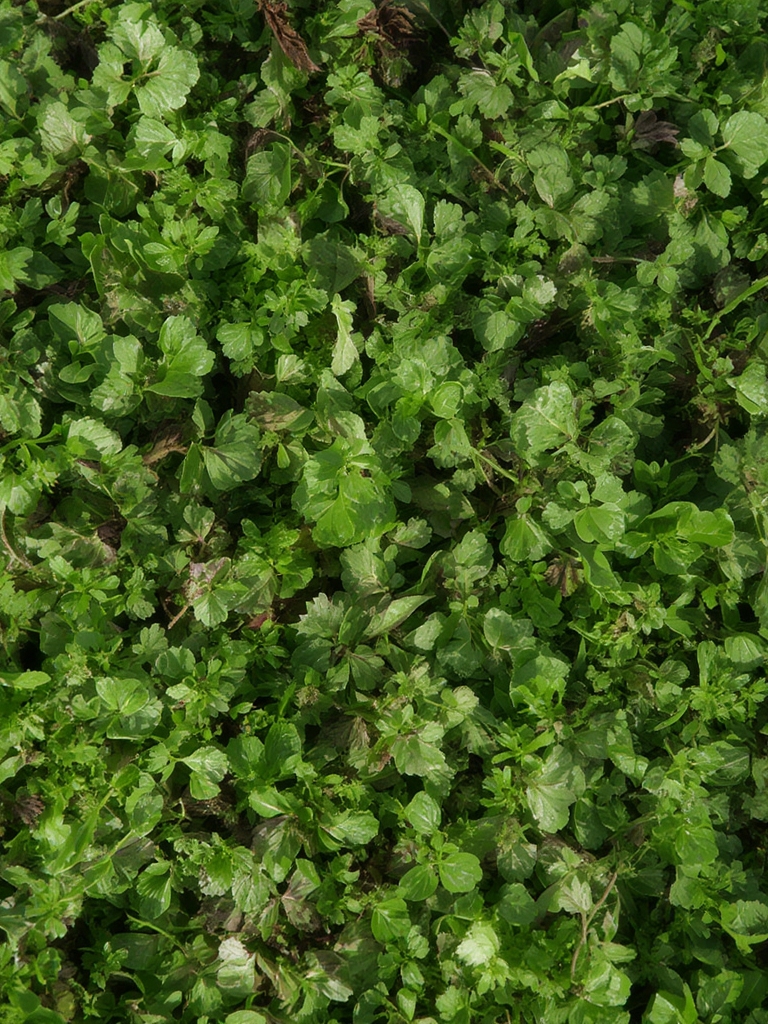

Have you ever bitten into a restaurant-quality salad and wondered why your homegrown greens never taste quite as vibrant? The secret might be mesclun mix—a delightful blend of tender, flavorful salad greens that brings gourmet taste to your table. Growing mesclun mix in your own garden offers an affordable way to enjoy premium salad ingredients while knowing exactly how your food was produced. With minimal space requirements and quick growth, mesclun mix provides the perfect entry point for both novice gardeners and seasoned green thumbs looking to elevate their homegrown harvests.
Table of Contents
Materials & Supplies
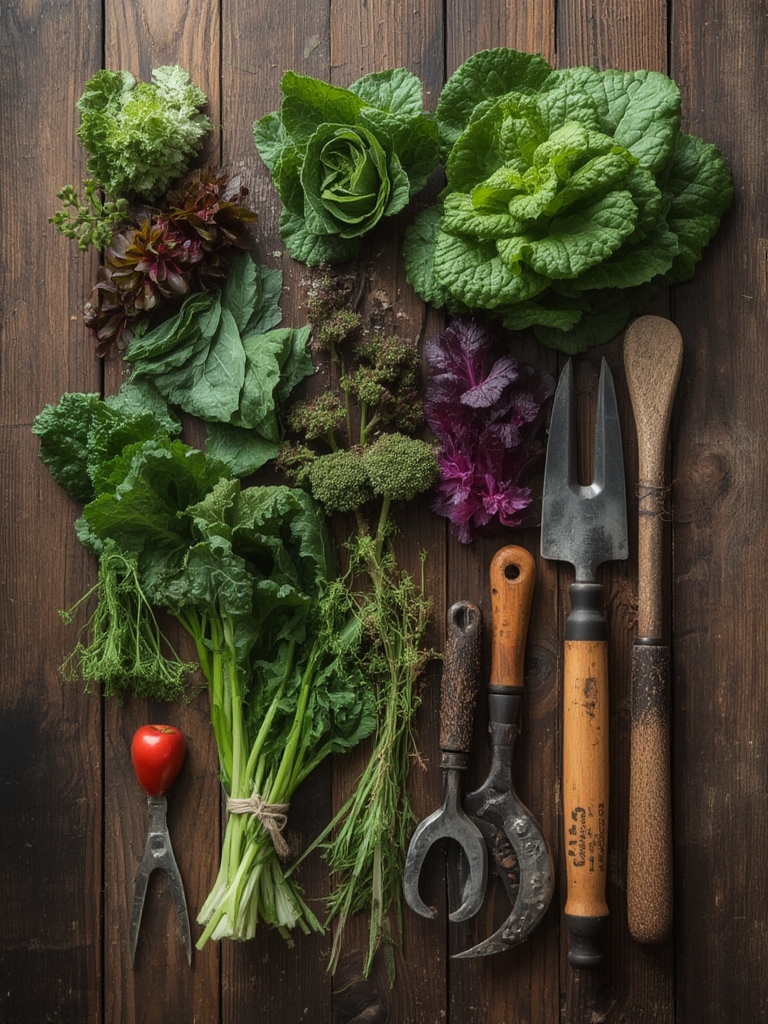
To start your mesclun mix garden, you’ll need:
- Seeds: Quality mesclun mix seed packets (look for varieties including arugula, lettuce, endive, radicchio, and mustard greens)
- Container or garden bed: Shallow containers at least 4-6 inches deep or prepared garden bed
- Potting soil: Lightweight, well-draining mix enriched with compost
- Watering can or spray bottle: For gentle watering without disturbing seeds
- Plant labels: To mark planting dates for succession planting
- Fine-mesh row cover (optional): Protects young seedlings from pests
- Liquid organic fertilizer (optional): For mid-season feeding
- Garden scissors or shears: For harvesting without damaging plants
Timing / Growing Schedule
Mesclun mix grows quickly, with most varieties ready for harvest in just 3-4 weeks. Plan for:
- Preparation: 1-2 hours to prepare soil and sow seeds
- Germination: 4-7 days for seeds to sprout
- First harvest: 21-28 days after sowing
- Production period: 2-3 months with proper succession planting
For continuous harvest, sow new seeds every 2-3 weeks. In most climates, you can grow mesclun from early spring through late fall, with summer plantings in partial shade to prevent bolting.
Step-by-Step Instructions
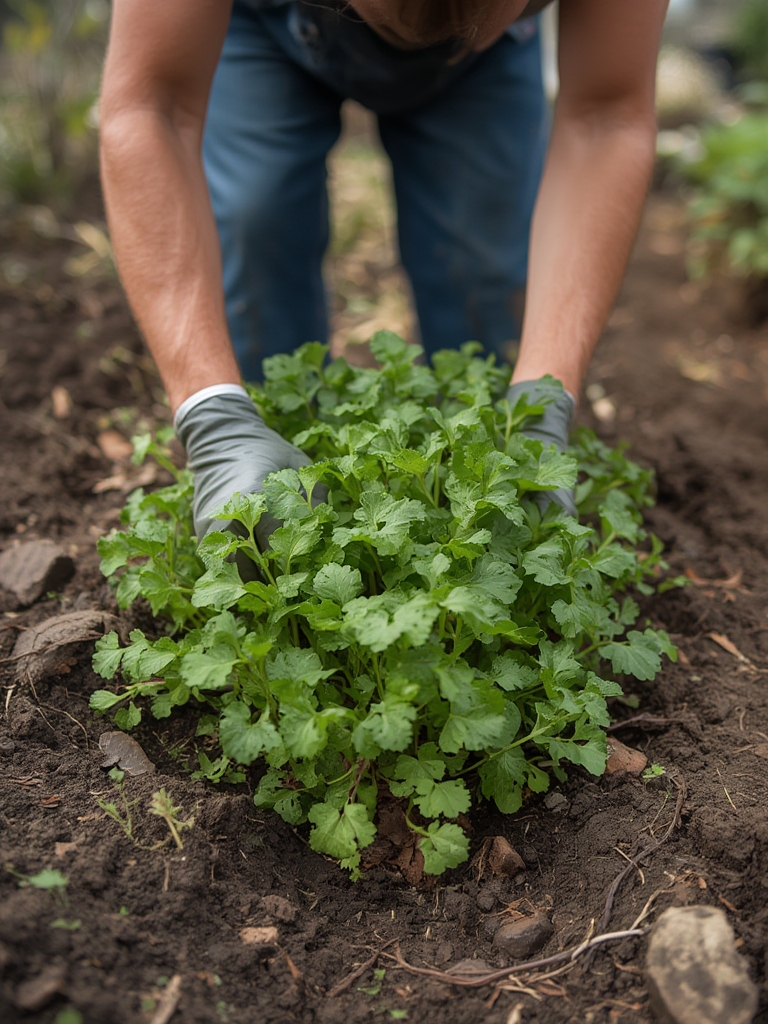
Prepare your growing area: Fill containers with potting mix or prepare garden soil by removing weeds and incorporating compost. Smooth the surface with light raking.
Tip: For garden beds, add a thin layer of vermicompost to boost fertility.Sow seeds: Scatter seeds thinly across the soil surface. Aim for approximately 10-12 seeds per square inch.
Tip: Mix seeds with sand for more even distribution.Cover lightly: Sprinkle a very thin layer of soil (⅛ inch) over seeds or gently press them into the soil.
Tip: Never bury mesclun seeds deeply—they need light to germinate effectively.Water gently: Use a fine mist or spray to moisten soil without displacing seeds.
Tip: Consider bottom watering containers to prevent soil disturbance.Maintain moisture: Keep soil consistently moist but not waterlogged during the germination period.
Tip: Cover with clear plastic until germination to maintain humidity, then remove immediately.Thin seedlings: Once plants reach 2 inches tall, thin to allow 1-2 inches between plants.
Tip: Don’t discard thinnings—they make delicious microgreens for salads!
Nutritional Benefits
Mesclun mix offers exceptional nutritional value, containing:
- High levels of vitamins A, C, and K
- Important minerals like iron, calcium, and potassium
- Antioxidants and phytonutrients from the diverse leaf varieties
- Low calorie content with high fiber
The varied greens provide different flavor profiles from peppery to sweet, enhancing both nutrition and culinary experience.
Tips and Alternative Methods
- Container gardening: Use window boxes or shallow trays on balconies or sunny windowsills
- Indoor growing: Position under grow lights for year-round production
- Heat management: During summer, plant in morning sun locations with afternoon shade
- Vertical options: Try wall-mounted gutter systems for space-saving mesclun growing
- Succession sowing: Plant new batches biweekly for continuous harvest
Common Mistakes to Avoid
- Overwatering: Causes root rot and fungal issues—keep soil moist but not soggy
- Planting too deeply: Seeds need light to germinate—barely cover them
- Harvesting incorrectly: Cut leaves 1 inch above soil instead of pulling plants out
- Ignoring pests: Check regularly for slugs and aphids, especially in damp conditions
- Forgetting succession planting: Results in feast-or-famine harvest cycles
Storage / Maintenance Tips
- Harvest in the morning when leaves are crisp and flavorful
- Store unwashed leaves in a container lined with paper towels
- Refrigerate for up to one week, washing just before use
- Water plants at soil level to keep leaves dry and prevent disease
- Apply diluted liquid fertilizer after second cutting to encourage regrowth
Conclusion
Growing mesclun mix delivers gourmet salad greens with minimal effort and maximum reward. The quick growing cycle, versatility, and exceptional flavor make it perfect for gardeners at any skill level. Start small, follow these guidelines, and you’ll soon enjoy restaurant-quality salads straight from your garden. Ready to elevate your homegrown meals? Get planting today and share your mesclun success stories in the comments!
FAQs
How often should I water my mesclun mix?
Water whenever the top ½ inch of soil feels dry, typically every 1-2 days depending on weather conditions.
Can I grow mesclun mix indoors year-round?
Yes, with adequate lighting (8-10 hours of direct sunlight or grow lights) and proper temperature control (60-70°F).
Why are my mesclun greens turning bitter?
Bitterness typically indicates heat stress or that plants are beginning to bolt. Harvest immediately and plant new seeds in a cooler location.
Is mesclun mix suitable for hydroponic growing?
Absolutely! Mesclun thrives in hydroponic systems, especially nutrient film technique (NFT) or deep water culture setups.
How many times can I harvest from one planting?
With proper care, most mesclun plantings will produce 3-4 harvests before quality diminishes and replanting becomes necessary.