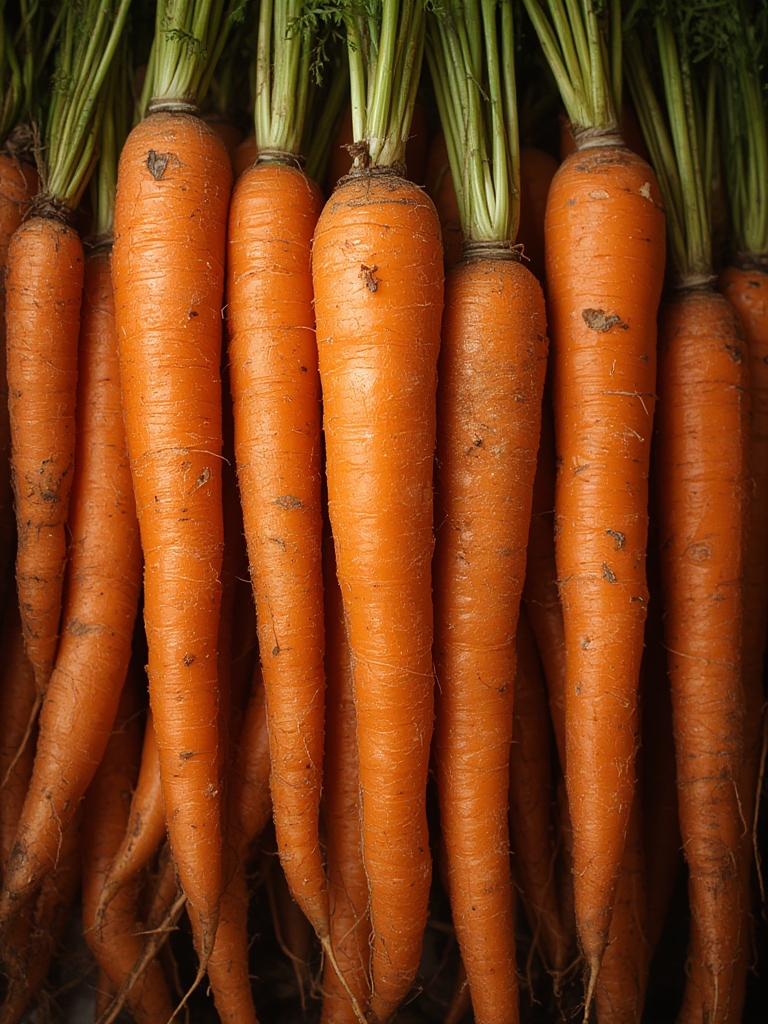

Have you ever bitten into a sweet, crunchy carrot and wondered if you could grow these vibrant orange vegetables in your own backyard? Growing carrots at home isn’t just possible—it’s surprisingly straightforward and incredibly rewarding! Whether you have a spacious garden or just a few pots on a balcony, carrots can thrive in various settings with the right care. These root vegetables offer a perfect introduction to home gardening, giving you access to fresh, organic carrots right at your fingertips. Let’s dig into everything you need to know about growing carrots at home for a bountiful harvest.
Table of Contents
Materials & Supplies

To start your carrot-growing journey, gather these essential items:
- Carrot seeds: Choose varieties that match your climate and space (Nantes, Danvers, or Chantenay are beginner-friendly)
- Well-draining soil: Sandy loam soil works best; avoid heavy clay soils
- Garden space or containers: At least 12 inches deep for full-sized carrots, 8 inches for baby carrots
- Compost or organic matter: To enrich your soil
- Watering can or irrigation system: For consistent moisture
- Garden fork or spade: For harvesting
- Fine-mesh row covers (optional): To protect from pests
- Thin layer of mulch: To maintain soil moisture
- Plant markers: To identify different varieties if planting multiple types
Timing / Growing Schedule
Carrots are cool-season crops that perform best when temperatures range between 60-70°F (15-21°C). Plant seeds 2-3 weeks before the last spring frost for a summer harvest, or 10-12 weeks before the first fall frost for a fall/winter harvest. From seeding to harvest, most carrot varieties take 70-80 days to mature, though baby carrots can be harvested earlier (around 50-60 days). For continuous harvests, consider succession planting every 2-3 weeks during the growing season.
Step-by-Step Instructions

Prepare your soil: Remove rocks and break up clumps to create fine, loose soil at least 12 inches deep. Mix in compost but avoid fresh manure, which can cause forked roots.
Sow the seeds: Make shallow furrows about 1/4 inch deep and space rows 12-18 inches apart. Sprinkle seeds lightly along the furrow—carrots are tiny, so mix them with sand for more even distribution.
Cover and water: Gently cover seeds with soil and water using a fine spray to avoid washing them away. Keep the soil consistently moist until germination (typically 1-3 weeks).
Thin seedlings: When seedlings reach 2 inches tall, thin them to 2-3 inches apart. Instead of pulling (which can disturb neighboring plants), snip excess seedlings at soil level.
Maintain moisture: Water deeply but infrequently to encourage roots to grow downward. Aim for 1 inch of water weekly, adjusting for rainfall.
Nutritional Benefits
Homegrown carrots offer exceptional nutritional value. They’re packed with beta-carotene (which converts to vitamin A), fiber, potassium, and antioxidants. Fresh carrots contain higher levels of nutrients than store-bought ones that may have been stored for weeks. Growing your own also eliminates exposure to commercial pesticides, and many gardeners report better flavor from homegrown varieties.
Tips and Alternative Methods
- Container growing: Choose shorter varieties like ‘Paris Market’ or ‘Thumbelina’ for containers or shallow soil.
- Indoor cultivation: Grow baby carrots in deep window boxes with at least 6 hours of sunlight.
- Companion planting: Plant with onions, leeks, or rosemary to deter carrot flies.
- Raised beds: Ideal for carrots as they provide better drainage and deeper soil without rocks.
- Seasonal considerations: Cover carrots with straw in fall to extend harvest through early winter in mild climates.
Common Mistakes to Avoid
- Overcrowding: Failing to thin seedlings leads to stunted, twisted carrots.
- Inconsistent watering: Causes splitting or cracking of roots.
- Rocky soil: Results in forked, deformed carrots—sift soil thoroughly before planting.
- Over-fertilizing: Too much nitrogen produces bushy tops but small roots; use balanced, slow-release fertilizers.
- Harvesting too late: Oversized carrots can become woody and less flavorful.
Storage / Maintenance Tips
After harvesting, remove tops and brush off excess soil (don’t wash until ready to use). Store carrots in perforated plastic bags in the refrigerator crisper drawer for 2-3 months, or in damp sand in a cool cellar for longer storage. For ongoing crops, continue regular watering and monitor for pests like carrot flies. Apply light organic fertilizer midway through the growing season if leaves begin yellowing.
Conclusion
Growing carrots at home connects you with the miracle of garden-to-table freshness while providing nutritional benefits that store-bought vegetables simply can’t match. With minimal investment and these straightforward guidelines, you’ll be pulling sweet, crunchy carrots from your garden in just a few months. Why not start your carrot patch this weekend? Your future salads, soups, and snacks will thank you! Share your carrot-growing journey in the comments below or check out our related posts on companion vegetables.
FAQs
How deep should containers be for growing carrots?
Containers should be at least 12 inches deep for full-sized carrots and 8 inches for baby carrots. Ensure adequate drainage holes at the bottom.
Can I grow carrots from carrot tops?
While you can grow greens from carrot tops in water, you cannot grow new carrots this way. Carrots are biennial plants that require seeds for reproduction.
Why are my carrots hairy with small roots?
Hairy roots usually indicate nematode problems or poor soil conditions. Improve soil with compost and practice crop rotation to prevent recurrence.
When is the best time to harvest carrots?
Harvest when the shoulders are 3/4 to 1 inch in diameter. For sweeter carrots, wait until after a light frost in fall, which increases sugar content.
How can I grow straight carrots in heavy soil?
In heavy soil, create raised beds with added sand and compost, or grow shorter varieties like Oxheart or Chantenay that perform better in less-than-ideal conditions.