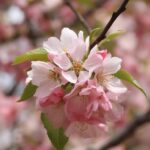
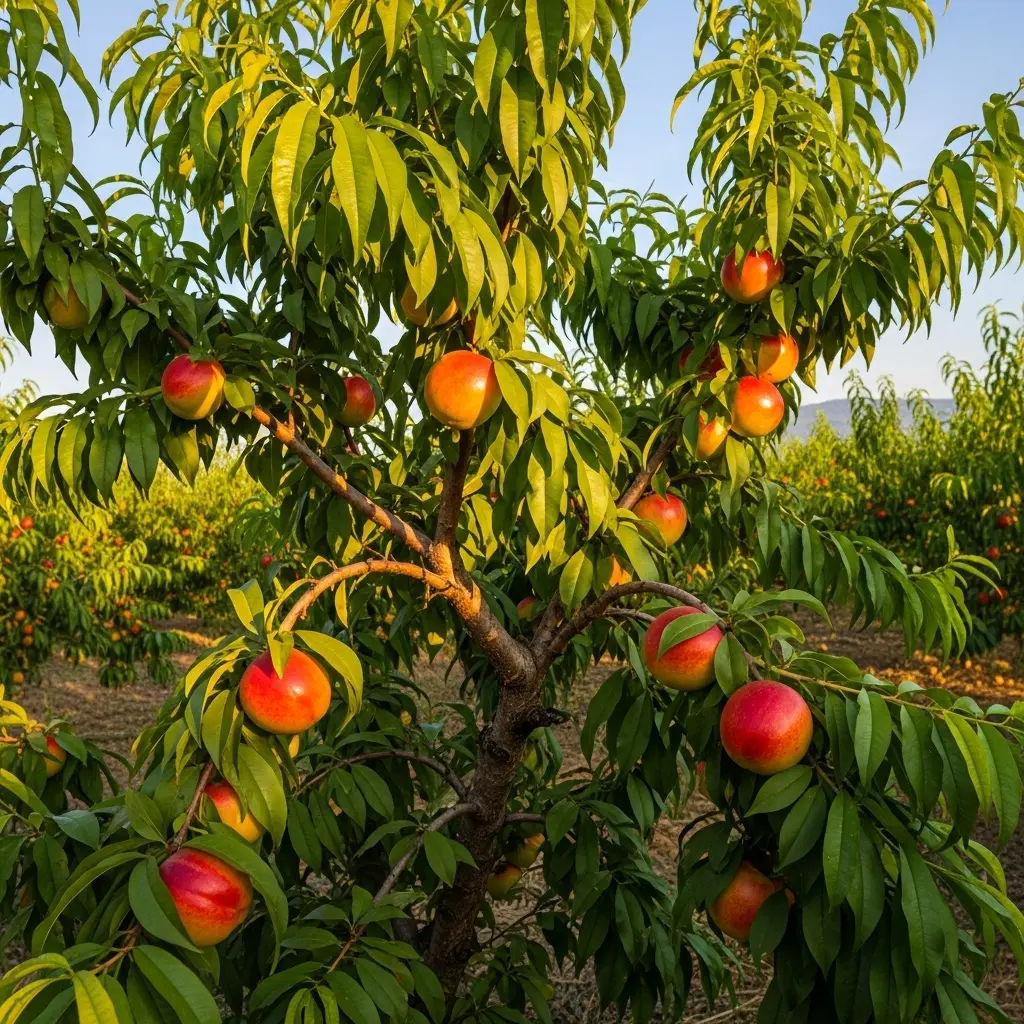

Have you ever bitten into a perfectly ripe nectarine, with juice dripping down your chin and that perfect balance of sweetness and tang exploding on your taste buds? Imagine harvesting these delectable stone fruits from your very own backyard. Growing nectarine trees at home not only provides you with fresh, organic fruit but also adds beauty to your landscape with their stunning spring blossoms. Nectarines, the smooth-skinned cousins of peaches, can thrive in home gardens with the right care and attention.
Table of Contents
Materials & Supplies
To successfully grow nectarine trees, you’ll need:
- Nectarine saplings or bare-root trees: Choose varieties suited for your climate zone
- Compost or well-rotted manure: For soil amendment
- Garden shovel and fork: For digging planting holes
- Pruning shears: For regular maintenance pruning
- Mulch: Wood chips or straw work well
- Garden stakes: To support young trees
- Garden hose with soaker attachment: For efficient watering
- Organic fruit tree fertilizer: Low nitrogen, higher in phosphorus and potassium
- Fruit tree spray (optional): For pest management
- pH testing kit: To ensure soil suitability
Timing / Growing Schedule
Nectarine trees are best planted during late winter or early spring while dormant. Expect your tree to take 2-4 years before producing significant fruit. Most varieties bloom in early spring and harvest occurs from mid-summer to early fall, depending on your climate and the specific variety. This timeframe is similar to other stone fruits like peaches, but nectarines often ripen slightly earlier.
Step-by-Step Instructions
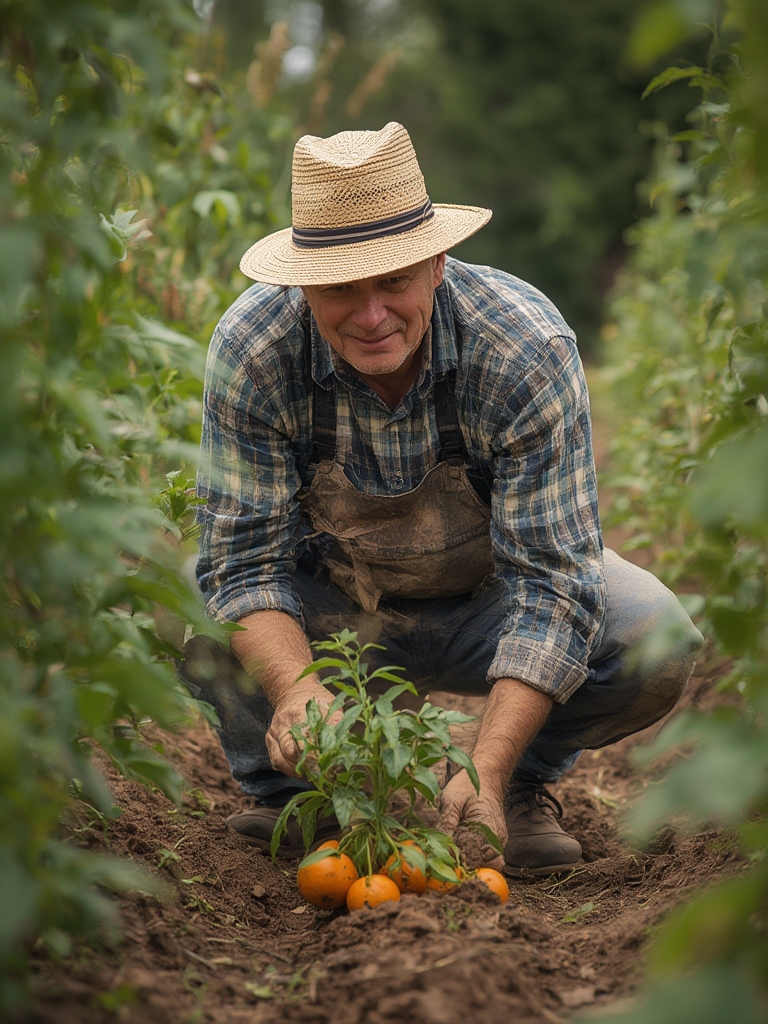
Select the right location: Choose a spot with full sun (6-8 hours daily) and well-draining soil. Nectarines prefer slightly acidic to neutral soil (pH 6.0-7.0).
Prepare the soil: Mix in compost or aged manure to improve drainage and fertility. For clay soils, consider creating a slight mound to enhance drainage.
Plant correctly: Dig a hole twice as wide as the root ball but at the same depth. Place the tree so the graft union (swelling near the base) sits 2-3 inches above soil level.
Water thoroughly: After planting, water deeply and apply 3-4 inches of mulch around the base, keeping it away from the trunk to prevent rot.
Train and prune: Prune young trees to an open vase shape, removing the central leader to create 3-5 main scaffold branches. This improves sunlight penetration and air circulation.
Thin fruit: When fruits reach marble size, thin them to one fruit every 6-8 inches to improve size and quality.
Nutritional Benefits
Nectarines are nutritional powerhouses, packed with vitamins A and C, potassium, and fiber. They’re rich in antioxidants and contain beta-carotene that promotes eye health. Home-grown nectarines typically contain more nutrients than store-bought varieties as they’re harvested at peak ripeness rather than picked early for shipping.
Tips, Alternative Methods, or Gardening Advice
For limited space, consider dwarf nectarine varieties that can be grown in large containers (at least 20-gallon size). These trees reach only 6-8 feet tall but produce standard-sized fruit. In colder regions, plant trees near a south-facing wall for added protection. Consider companion planting with herbs like lavender or rosemary to attract pollinators and potentially deter some pests.
Common Mistakes to Avoid
- Over-fertilizing: Too much nitrogen promotes leaf growth at the expense of fruit. Use balanced, fruit-specific fertilizers.
- Insufficient thinning: Failing to thin fruits leads to small, less flavorful nectarines and can break branches.
- Improper pruning: Avoid heavy pruning in fall or winter, which can increase susceptibility to disease.
- Neglecting pest monitoring: Check regularly for signs of peach leaf curl, borers, and fruit flies before they become major problems.
Storage / Maintenance Tips
Water deeply once weekly during the growing season, increasing to twice weekly during fruit development and hot periods. Apply fruit tree fertilizer in early spring and after harvest. Prune annually during late winter to maintain shape and remove diseased wood. After harvest, store nectarines at room temperature until ripe, then refrigerate for up to 5 days for maximum freshness.
Conclusion
Growing nectarine trees requires patience but rewards you with spectacular blossoms and delicious fruit that surpasses anything from the grocery store. By following these guidelines and giving your trees consistent care, you’ll enjoy the satisfaction of harvesting your own sun-ripened nectarines for years to come. Why not plant a nectarine tree this season and start your journey toward homegrown fruit?
FAQs
How long before my nectarine tree produces fruit?
Most nectarine trees begin producing small crops in their third year, with full production typically reached by year 5 or 6.
Can nectarines cross-pollinate with peaches?
Yes, nectarines and peaches can cross-pollinate, though most varieties are self-fertile and don’t require a pollinator.
Why are my nectarine fruits splitting?
Fruit splitting usually results from irregular watering. Maintain consistent soil moisture, especially as fruits develop.
Do nectarines need a winter chill period?
Yes, most varieties require 300-800 chill hours below 45°F to produce fruit properly, though low-chill varieties are available for warmer climates.