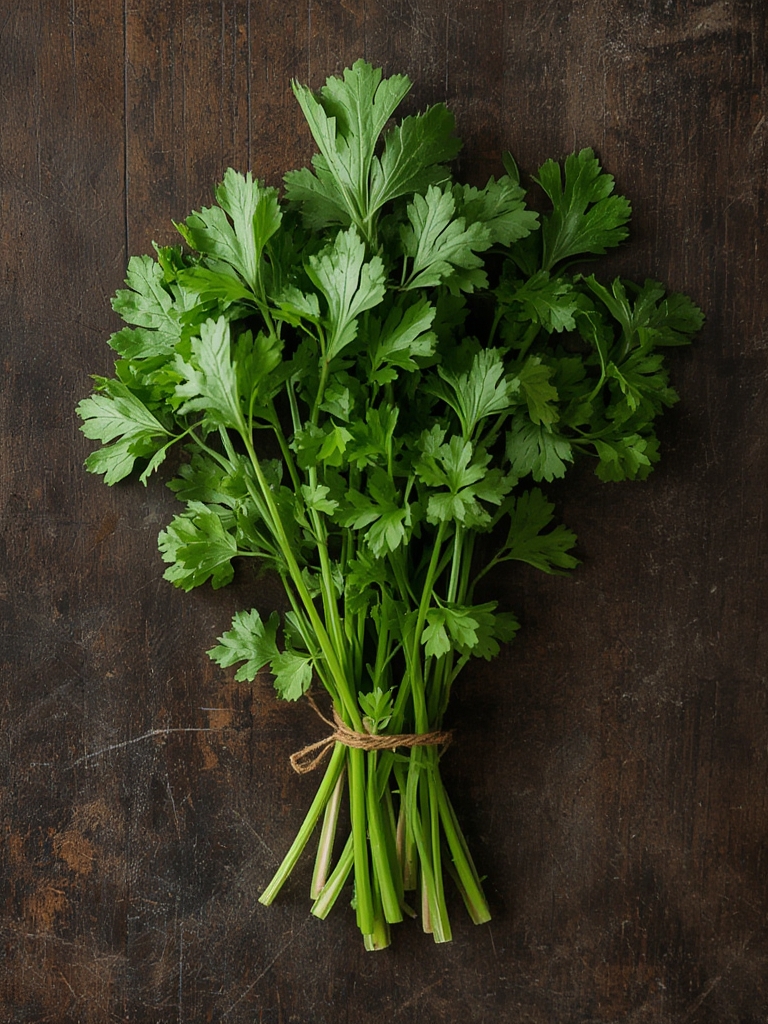

Have you ever reached for fresh cilantro while cooking only to find a wilted bunch in your refrigerator? Growing cilantro indoors solves this common kitchen dilemma, providing aromatic herbs at your fingertips year-round. Indoor cilantro cultivation offers a practical solution for apartment dwellers, those with limited outdoor space, or anyone wanting to enjoy this versatile herb regardless of season. With its distinctive flavor enhancing everything from Mexican salsas to Indian chutneys, learning how to grow cilantro indoors is a valuable skill that pays delicious dividends with minimal investment.
Table of Contents
Materials & Supplies
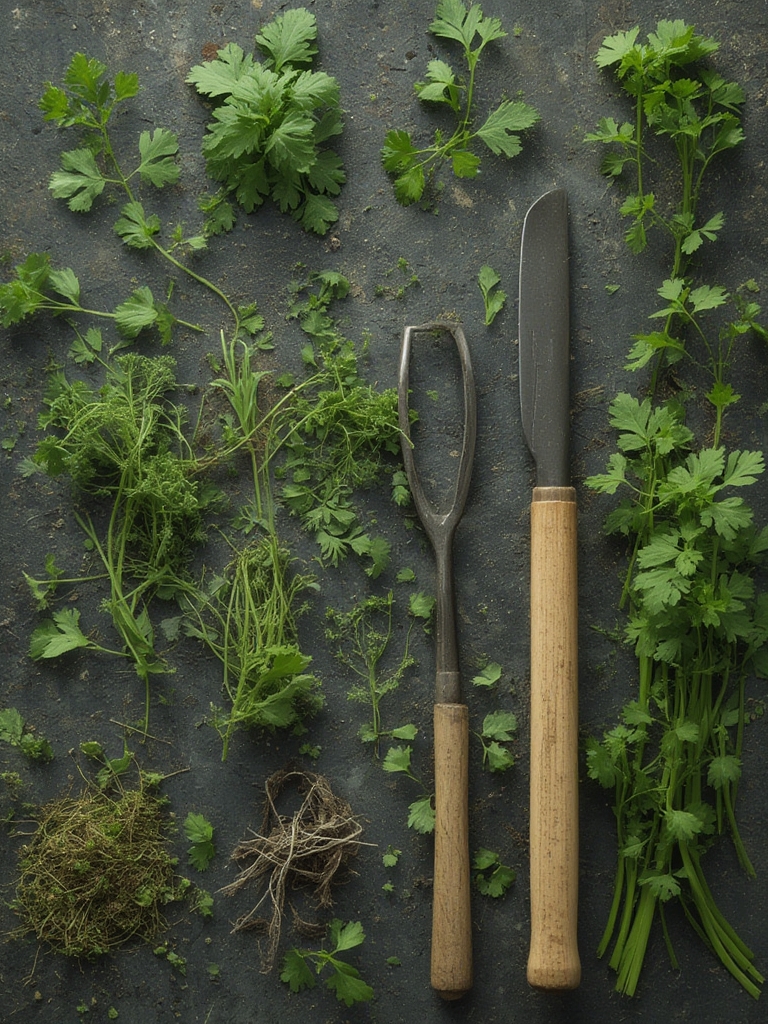
To successfully grow cilantro indoors, gather these essential items:
- Cilantro seeds – Choose slow-bolting varieties like ‘Leisure’ or ‘Santo’ for longer harvests
- Containers – 6-8 inch deep pots with drainage holes (clay pots work exceptionally well)
- Potting mix – Well-draining soil with compost; avoid garden soil which compacts easily
- Spray bottle – For gentle misting of seedlings
- Watering can – With a narrow spout for controlled watering
- Grow lights (optional) – Full-spectrum LED lights if your indoor space lacks sufficient natural light
- Liquid organic fertilizer – Diluted fish emulsion or seaweed extract works well
- Shallow trays – To catch water drainage and protect surfaces
Timing / Growing Schedule
Cilantro grows quickly indoors, with seeds germinating in 7-10 days under optimal conditions. Expect your first harvest approximately 3-4 weeks after germination, when plants reach 6 inches tall. Unlike outdoor cilantro which bolts quickly in summer heat, indoor cilantro can produce for 8-10 weeks with proper care. For continuous harvests, start new seeds every 2-3 weeks. This succession planting ensures you’ll never run out of this essential herb.
Step-by-Step Instructions
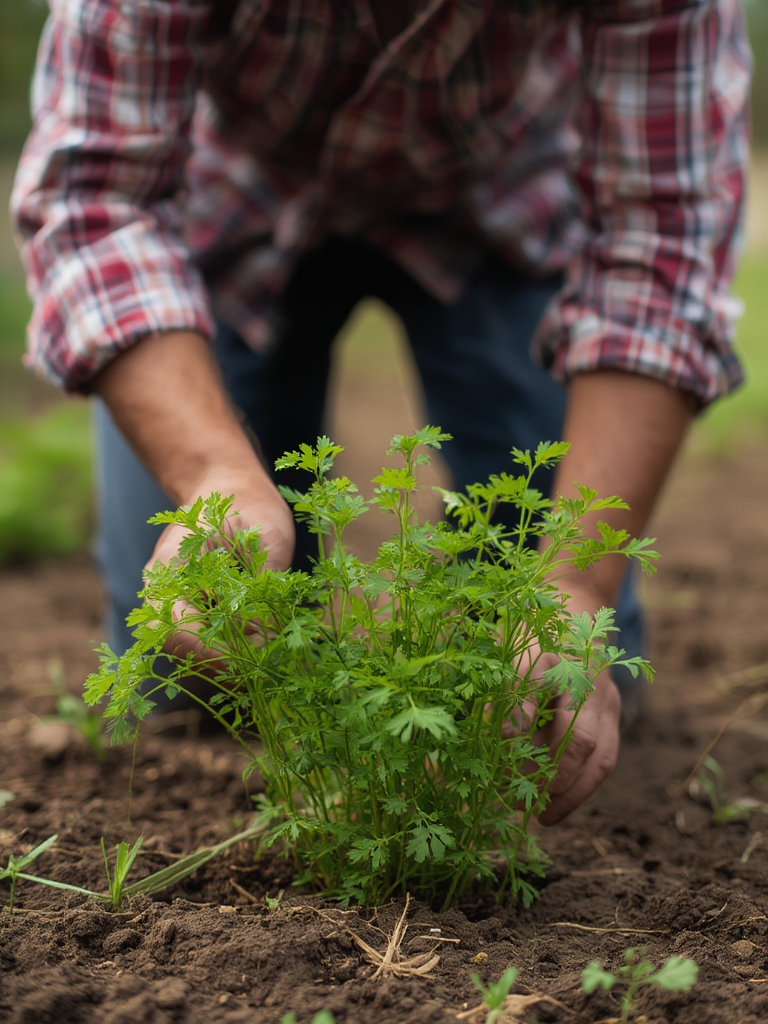
Prepare your containers – Fill pots with moistened potting mix, leaving 1 inch of space at the top. Gently tamp down soil without compacting it.
Prepare cilantro seeds – Crush seed clusters gently between fingers to separate them. This improves germination rates significantly.
Sow seeds – Scatter seeds across the soil surface, spacing them about 1 inch apart. Cover with a ¼ inch layer of soil.
Water carefully – Mist the soil surface until evenly moist but not soggy. Avoid heavy watering which can displace seeds.
Position for light – Place containers in a south or east-facing window receiving 4-5 hours of sunlight daily.
Maintain optimal conditions – Keep soil consistently moist and room temperature between 65-75°F (18-24°C).
Begin harvesting – When plants reach 6 inches, cut outer stems first, allowing inner growth to continue developing.
Nutritional Benefits
Cilantro packs impressive nutrition in its delicate leaves. Rich in vitamins A, C, and K, it also contains potassium, manganese, and antioxidants that help remove heavy metals from the body. Fresh cilantro contains significantly more nutrients than store-bought versions that may have been harvested days earlier. Just one tablespoon provides 5% of your daily vitamin K needs, supporting bone health and proper blood clotting.
Tips and Alternative Methods
For maximum success, consider these variations:
- Use a self-watering container to maintain consistent moisture
- Grow microgreens by densely planting cilantro seeds for baby leaf harvest
- Try hydroponics for faster growth and cleaner harvests
- In low-light apartments, supplement with grow lights for 12-14 hours daily
Common Mistakes to Avoid
- Overwatering – Causes root rot; allow top inch of soil to dry before watering again
- Inadequate light – Results in leggy, flavorless plants; supplement with grow lights if needed
- Harvesting incorrectly – Taking too much at once stresses plants; harvest no more than ⅓ at a time
- Overcrowding – Reduces air circulation and increases disease risk; thin seedlings to 3-4 inches apart
Storage / Maintenance Tips
Maintain healthy cilantro by watering when the top inch of soil feels dry. Fertilize monthly with half-strength organic fertilizer. For storage, wrap freshly harvested stems in slightly damp paper towels and refrigerate in a plastic bag for up to one week. Alternatively, freeze chopped cilantro in ice cube trays with water or oil for long-term storage.
Conclusion
Growing cilantro indoors provides fresh, flavorful herbs regardless of season or space limitations. With minimal investment in materials and just minutes of care weekly, you’ll enjoy abundant harvests of this versatile herb. Start your indoor cilantro garden today and transform your cooking with vibrant, fresh flavors harvested moments before use. What dish will you enhance with your homegrown cilantro first?
FAQs
Why does my cilantro bolt quickly?
Cilantro bolts (flowers) when exposed to temperatures above 80°F (27°C). Keep plants cool and choose slow-bolting varieties for longer harvests.
Can I grow cilantro from cuttings?
Unlike basil or mint, cilantro doesn’t readily root from cuttings. Growing from seeds is the most reliable method.
How often should I water indoor cilantro?
Water when the top inch of soil feels dry, typically every 3-4 days depending on your home’s humidity and temperature.
Why are my cilantro leaves turning yellow?
Yellowing leaves usually indicate overwatering or poor drainage. Ensure pots have drainage holes and allow soil to partially dry between waterings.