
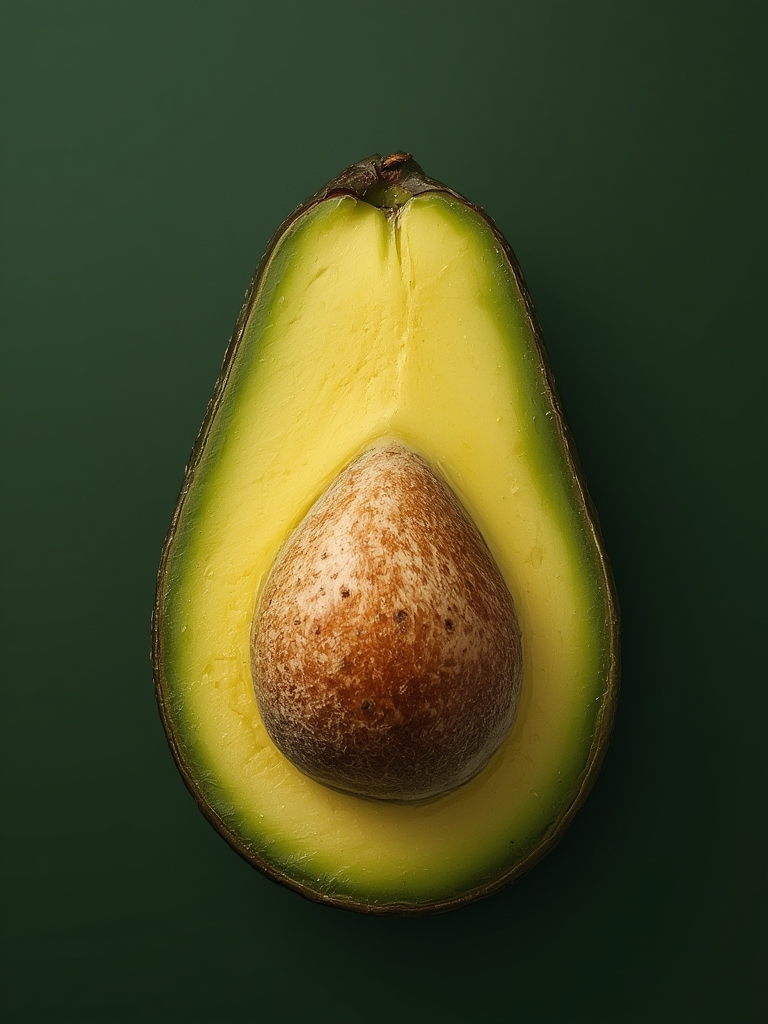

Have you ever wondered if those avocado pits you discard after making guacamole could transform into a beautiful houseplant or even a fruit-bearing tree? Growing your own avocado tree at home is not only possible but incredibly rewarding. Whether you’re an experienced gardener or a complete beginner, nurturing an avocado from seed to tree connects you with nature and potentially provides a sustainable source of this nutrient-rich fruit. With patience and proper care, your avocado plant can become a striking addition to your home or garden while serving as a fascinating conversation piece.
Table of Contents
Materials & Supplies
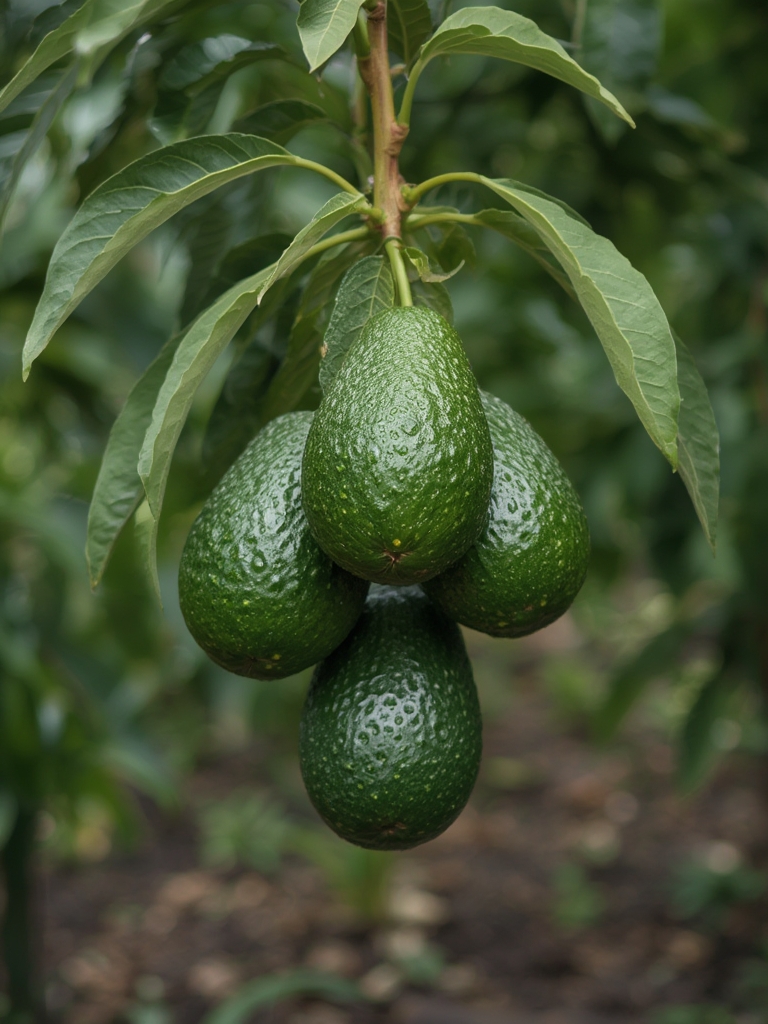
To successfully grow your avocado tree, gather these essential supplies:
- Avocado pit – Fresh from a ripe avocado, thoroughly cleaned
- 3-4 toothpicks – For suspending the pit over water
- Glass or jar – Wide enough to hold the pit without falling in
- Potting soil – Well-draining, rich in organic matter
- Planting pot – 6-10 inch with drainage holes (terracotta works well)
- Larger pot – For transplanting as your tree grows
- Balanced fertilizer – Low in salts, specially formulated for citrus/avocados
- Pruning shears – Clean and sharp for proper trimming
- Watering can – For controlled watering
Optional supplies include a moisture meter, plant supports for young stems, and organic pest control solutions for healthier growth.
Timing / Growing Schedule
Growing an avocado tree requires patience. After setting up your pit in water, expect:
- Sprouting phase: 2-8 weeks for initial root and stem development
- Potting phase: When the stem reaches 6-7 inches tall
- Growth phase: 3-5 years of development before maturity
- Fruiting phase: 5-13 years for outdoor trees to potentially bear fruit (indoor trees rarely produce fruit)
This timeline is significantly longer than most houseplants but shorter than many other fruit trees. Most indoor avocado trees are grown for ornamental purposes rather than fruit production.
Step-by-Step Instructions
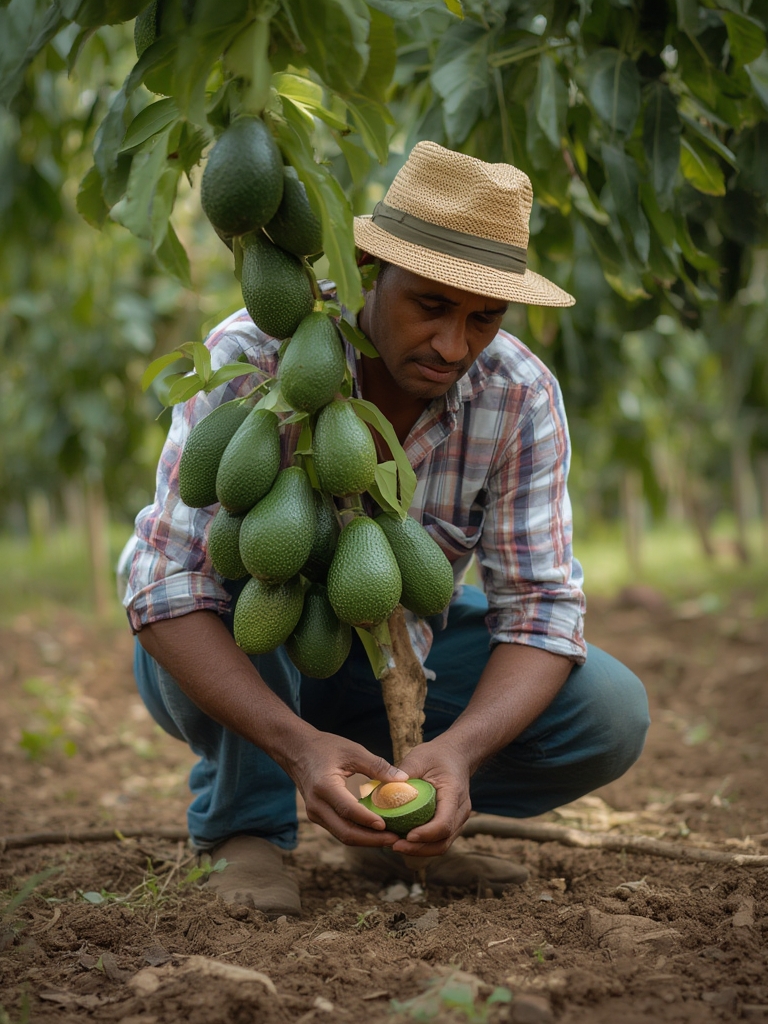
Prepare the pit: Carefully remove the pit from a ripe avocado, wash thoroughly to remove all fruit flesh, and determine which end is top (slightly pointed) and bottom (flatter with a pale spot).
Set up the water sprouting system: Insert 3-4 toothpicks around the middle of the pit at equal distances. Place the pit, bottom side down, on a water-filled glass so the toothpicks rest on the rim, submerging the bottom third in water.
Wait for germination: Place in a warm location with indirect light. Change the water every 3-5 days to prevent mold. After 2-8 weeks, you’ll see roots developing and eventually a stem.
Transplant to soil: When the stem reaches 6-7 inches and has several leaves, plant in a pot with well-draining soil, leaving the top half of the seed exposed.
Provide proper care: Place in bright, indirect sunlight. Water thoroughly when the top 2 inches of soil feel dry, but never let it sit in water.
Encourage bushiness: When the plant reaches 12 inches, pinch off the top leaves to promote branching and a fuller shape.
Nutritional Benefits & Advantages
Growing your own avocado tree provides several benefits:
- Educational opportunity to witness plant life cycles firsthand
- Natural air purifier that removes toxins from your home
- Sustainable gardening practice that reduces food packaging waste
- Potential source of nutrient-dense fruit rich in healthy fats, fiber, and vitamins
- Attractive decorative plant with glossy, evergreen foliage
Tips & Alternative Methods
- Indoor growing: Place near south or west-facing windows for optimal light exposure.
- Container considerations: Use fabric pots for better root aeration and drainage.
- Climate adaptation: In colder regions, grow indoors year-round or move outdoors only during warm months.
- Grafted trees: Purchase grafted saplings from nurseries for faster fruit production.
- Dwarf varieties: Look for smaller cultivars like ‘Wurtz’ or ‘Little Cado’ if space is limited.
Common Mistakes to Avoid
- Overwatering: Causes root rot and yellowing leaves. Solution: Allow soil to dry between waterings.
- Improper light: Too little causes leggy growth; direct sun burns leaves. Solution: Provide bright, indirect light.
- Temperature extremes: Avocados prefer 60-85°F. Solution: Keep away from drafts, heaters, and cold windows.
- Salt buildup: From tap water or fertilizer. Solution: Use filtered water and flush soil occasionally.
- Impatience: Expecting quick growth or fruit. Solution: Understand that avocados are slow-growing trees requiring years of development.
Storage & Maintenance Tips
Keep your avocado tree thriving with regular maintenance:
- Prune in early spring to maintain shape and remove dead branches
- Fertilize lightly every 2-3 months during growing season with balanced fertilizer
- Inspect regularly for pests like spider mites or aphids
- Rotate the pot quarterly to ensure even growth
- Repot every 2-3 years as the tree outgrows its container
Conclusion
Growing an avocado tree from a pit is a rewarding journey that teaches patience and nurturing skills. While indoor trees may not produce fruit, the process creates a beautiful houseplant and deeper connection to the food we eat. Start with one pit or try several to increase your chances of success. Your avocado tree will become a living testament to your gardening abilities and a unique addition to your home. Ready to turn your guacamole leftovers into something extraordinary?
FAQs
How long does it take for an avocado tree to bear fruit?
Avocado trees grown from seed typically take 5-13 years to produce fruit when grown outdoors in suitable climates. Indoor trees rarely fruit without specialized conditions and pollination.
Can I grow an avocado tree in a cold climate?
Yes, but they’ll need to be kept indoors during cold weather. Avocado trees are sensitive to frost and prefer temperatures above 50°F (10°C). Consider them houseplants in regions with harsh winters.
Why are my avocado tree’s leaves turning brown at the tips?
Brown leaf tips usually indicate salt buildup from fertilizer or tap water, or low humidity. Try using filtered water, reducing fertilizer, and increasing humidity by misting or using a humidifier.
Do I need two avocado trees to get fruit?
While some avocado varieties are self-pollinating, having two different varieties improves fruit set through cross-pollination. However, indoor trees rarely produce fruit regardless of pollination due to light and space limitations.
How often should I water my avocado tree?
Water thoroughly when the top 2 inches of soil feel dry to the touch, typically every 7-10 days for potted plants. Reduce watering in winter and increase during hot weather. Always avoid waterlogging, as avocados are susceptible to root rot.