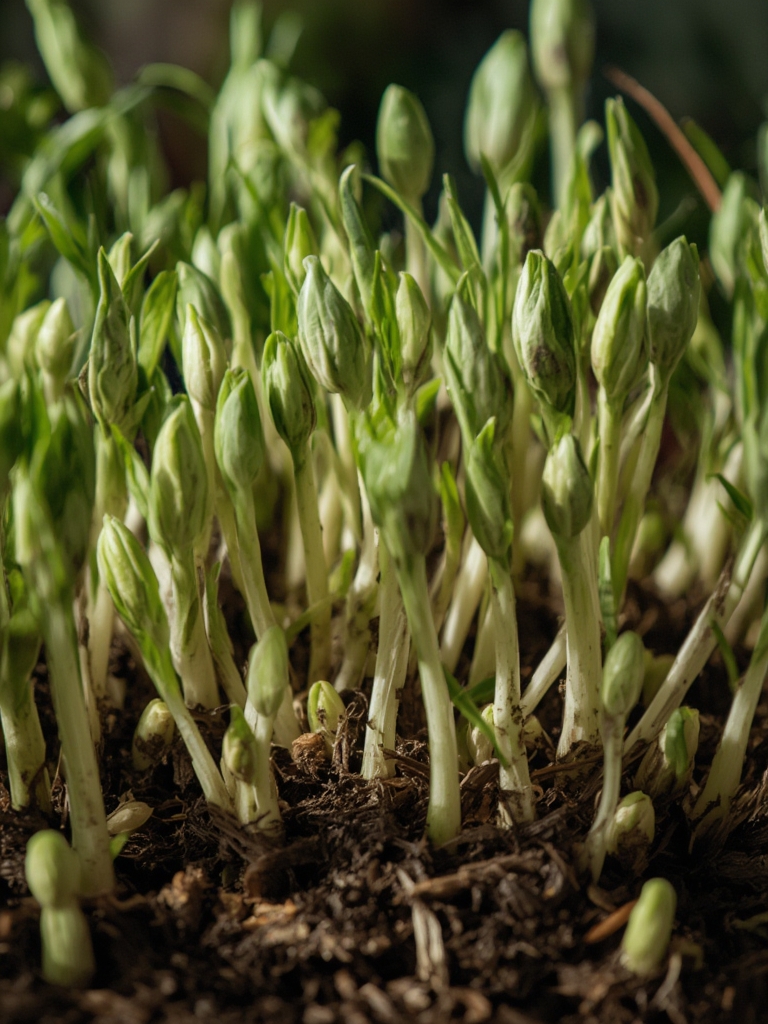

Have you ever wondered how those crisp, nutritious sprouts make their way to your sandwich or salad? What if you could have an endless supply of fresh sprouts right in your kitchen, ready to harvest in just days rather than weeks? Growing sprouts at home is not only incredibly simple but also highly rewarding. These nutritional powerhouses can transform ordinary meals into nutrient-dense delights while saving you money at the grocery store. Whether you’re interested in bean sprouts, alfalfa, or broccoli sprouts, the process is surprisingly simple and requires minimal space and equipment.
Table of Contents
Materials & Supplies
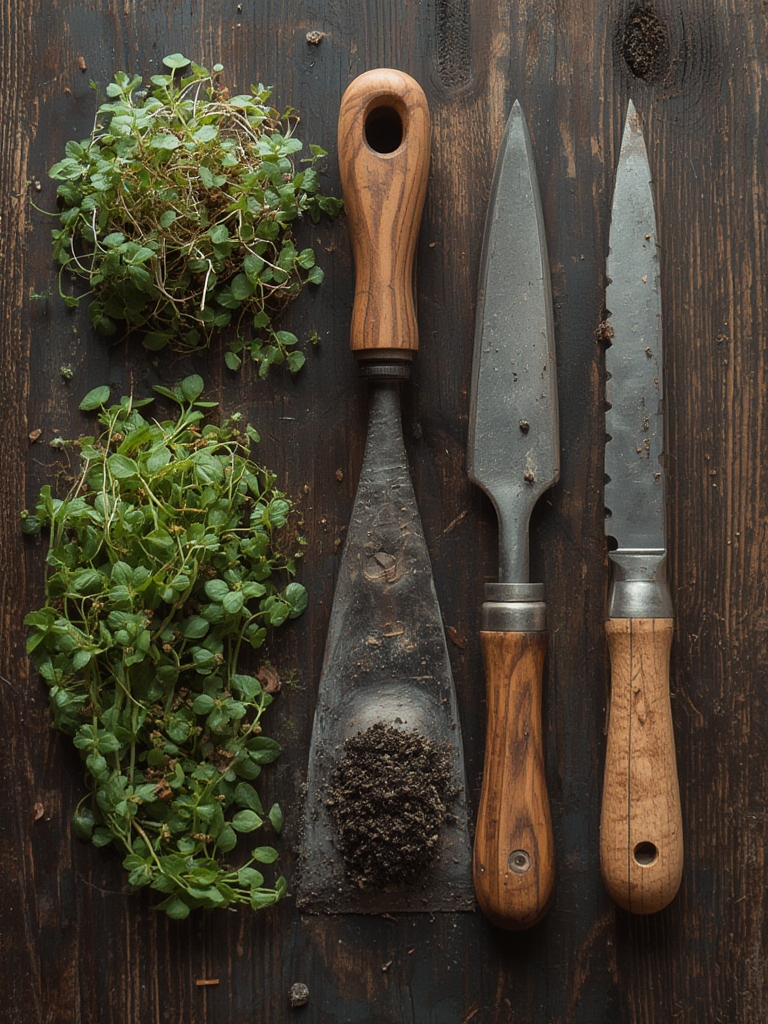
To start your sprouting journey, you’ll need:
- Sprouting seeds: Choose organic, untreated seeds specifically labeled for sprouting (mung beans, alfalfa, broccoli, radish, lentils)
- Sprouting container: A wide-mouth mason jar or specialized sprouting tray
- Sprouting lid or cheesecloth: For draining water while keeping seeds contained
- Fresh, clean water: Preferably filtered
- Small bowl: For initial soaking
- Colander: For rinsing larger batches (optional)
- Spray bottle: For misting sprouts if needed (optional)
- Small scissors: For harvesting (optional)
Timing / Growing Schedule
One of the most appealing aspects of growing sprouts is their rapid development. Most varieties follow this timeline:
- Soaking period: 8-12 hours
- Active sprouting phase: 2-6 days (varies by variety)
- Total time to harvest: 3-7 days
Bean sprouts typically mature faster (3-4 days) than smaller seeds like alfalfa or broccoli (5-7 days). This quick turnaround means you can have fresh sprouts every week with minimal planning.
Step-by-Step Instructions
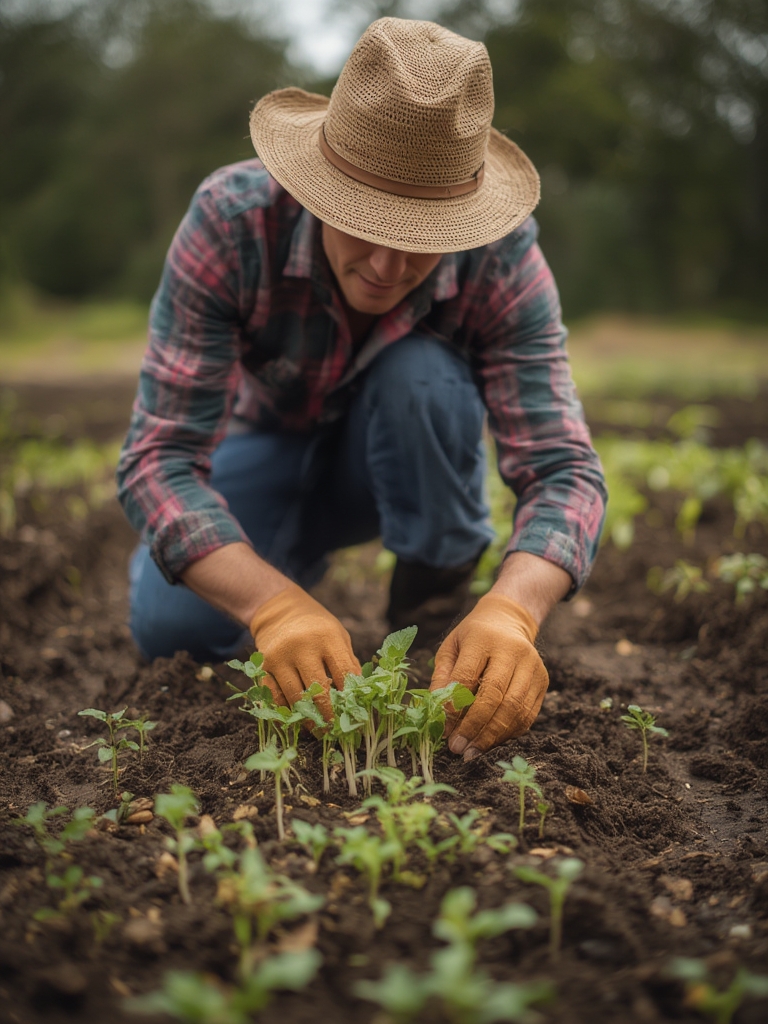
Measure your seeds: Start with 1-2 tablespoons for smaller seeds or ¼ cup for larger beans. They’ll expand considerably during sprouting.
Rinse thoroughly: Place seeds in a bowl and rinse with cool water several times to remove any debris or dust.
Soak overnight: Cover seeds with room-temperature water (about 3 times their volume) and let them soak for 8-12 hours. For bean sprouts, 8 hours is typically sufficient.
Drain and rinse: Pour seeds into your sprouting container fitted with the sprouting lid or cheesecloth. Rinse thoroughly with cool water and drain completely.
Position for sprouting: Place your container at an angle (about 45°) in a bowl to allow excess water to drain while maintaining airflow.
Rinse regularly: Rinse and drain seeds 2-3 times daily. Ensure thorough draining to prevent mold growth.
Allow for growth: Within 1-2 days, you’ll see tiny sprouts emerging. Continue rinsing until sprouts reach desired length.
Green up (optional): For sprouts like alfalfa, expose them to indirect sunlight for the final day to develop chlorophyll.
Nutritional Benefits
Homegrown sprouts are nutritional powerhouses, offering:
- High protein content (especially bean sprouts)
- Rich in enzymes that aid digestion
- Abundant vitamin C, K, and various B vitamins
- Increased bioavailability of nutrients compared to unsprouted seeds
- Contains antioxidants and compounds that support immune function
- Lower in calories and higher in nutrients than many other foods
Tips and Alternative Methods
- Vertical sprouting: Try stackable sprouting trays for growing multiple varieties simultaneously.
- Soil sprouting: For sunflower or pea shoots, try growing in a thin layer of soil for sturdier sprouts.
- Temperature control: Maintain room temperature between 65-75°F (18-24°C) for optimal sprouting.
- Seed rotation: Establish a rotating schedule to ensure continuous harvest.
- Weighted sprouting: For bean sprouts specifically, placing a light weight on top can create thicker, crunchier stems.
Common Mistakes to Avoid
- Overcrowding seeds: Give them room to breathe and expand.
- Insufficient drainage: Always drain thoroughly to prevent mold and bacteria growth.
- Inadequate rinsing: Skip rinses and you’ll invite spoilage.
- Using chlorinated water: Chlorine can inhibit germination; use filtered water if possible.
- Harvesting too late: Sprouts become bitter and fibrous if left too long.
Storage / Maintenance Tips
Once harvested, thoroughly dry your sprouts by laying them on a paper towel or using a salad spinner. Store in the refrigerator in a container lined with paper towels to absorb excess moisture. Most sprouts stay fresh for 5-7 days when properly stored. For bean sprouts specifically, changing the paper towel daily can extend freshness.
Conclusion
Growing sprouts at home is one of the easiest and most rewarding ways to produce fresh food year-round. With minimal investment and just minutes of care each day, you’ll enjoy nutritious harvests that enhance countless dishes. Start with simple varieties like mung bean sprouts before experimenting with more exotic seeds. Your homegrown sprouts will not only taste better than store-bought versions but provide peace of mind knowing exactly how they were grown.
FAQs
How do I prevent mold when growing sprouts?
Ensure good air circulation, thorough draining after rinsing, and regular rinsing 2-3 times daily. Keep sprouting containers clean and avoid overcrowding seeds.
Are homegrown sprouts safe to eat raw?
Yes, when grown properly with good hygiene practices. Use clean equipment, rinse regularly, and consume sprouts fresh. Those with compromised immune systems may want to lightly cook sprouts.
Why are my bean sprouts thin instead of thick like store-bought ones?
Commercial bean sprouts are often grown under pressure. Try placing a light weight on top of your growing mung bean sprouts and keep them in darkness for thicker stems.
How much will my seeds expand when sprouting?
Most seeds will expand 8-10 times their original volume. Start with small amounts until you determine your preferred batch size.