
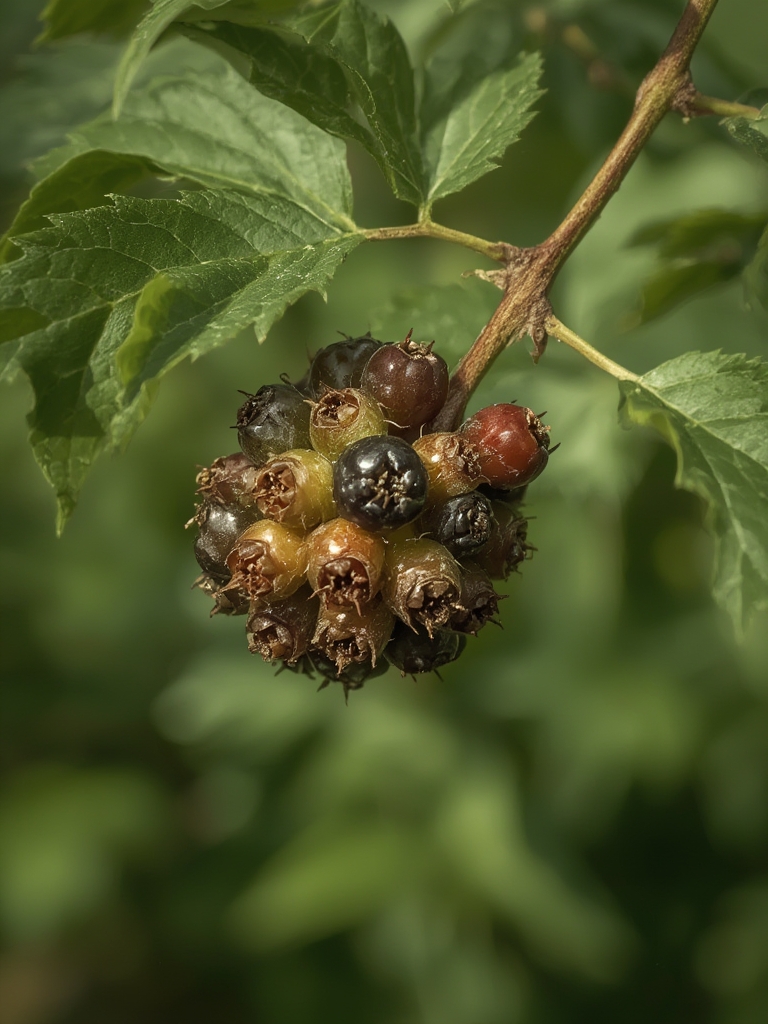

Have you ever tasted the tangy-sweet burst of a perfectly ripe gooseberry? These gem-like fruits offer a unique flavor experience that’s increasingly rare in grocery stores but can be abundantly available in your own backyard. Growing gooseberry bushes at home connects you with a centuries-old gardening tradition while providing nutritious fruits for jams, desserts, or fresh eating. Whether you have a sprawling garden or just a sunny balcony, gooseberries can thrive with the right care and attention.
Table of Contents
Materials & Supplies
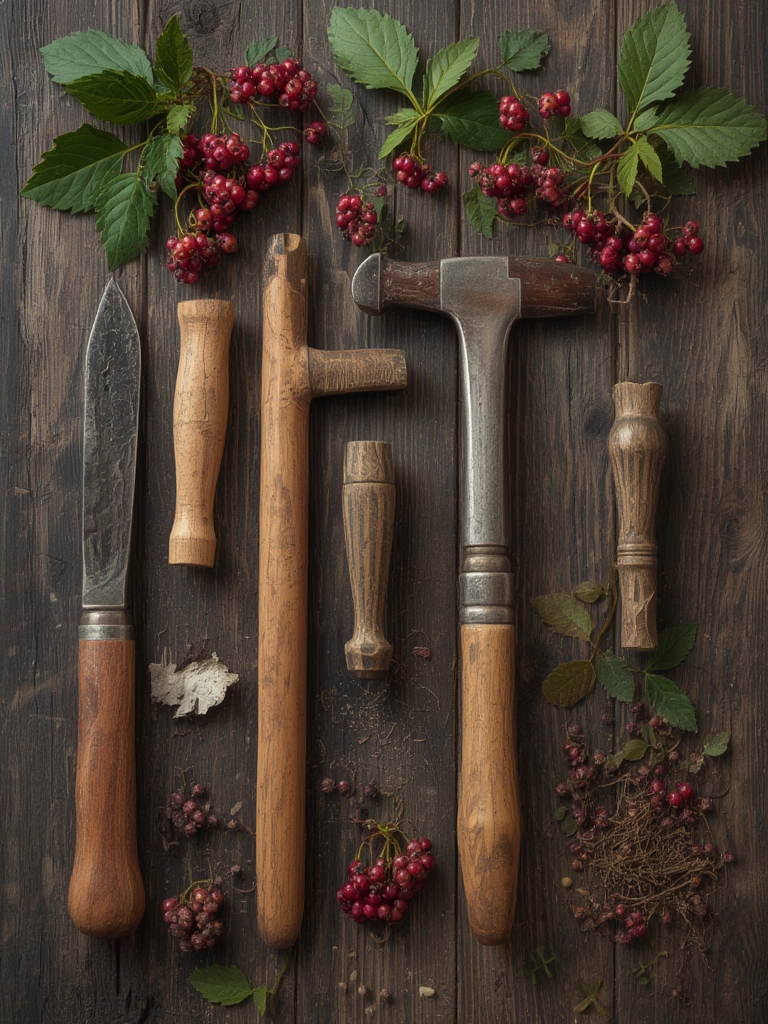
To successfully grow gooseberry bushes, you’ll need:
- Gooseberry plants or cuttings: Choose disease-resistant varieties like ‘Hinnonmaki Red’, ‘Pixwell’, or ‘Invicta’
- Garden soil: Well-draining, slightly acidic soil (pH 6.0-6.5)
- Compost or aged manure: For enriching soil before planting
- Mulch: Straw, wood chips, or leaf mold to retain moisture
- Pruning shears: Clean, sharp ones for maintenance pruning
- Garden gloves: Preferably thorn-resistant as gooseberry branches have thorns
- Watering can or irrigation system: For consistent watering
- Bird netting or row covers: To protect ripening fruit
- Plant supports: Optional for heavy-fruiting varieties
- Balanced fertilizer: Low-nitrogen, higher in phosphorus and potassium
Timing / Growing Schedule
Gooseberries are remarkably time-efficient compared to many fruits. Plant dormant, bare-root bushes in late fall or early spring. Expect minimal fruit in the first year, with harvests increasing in years 2-3. A mature bush (4+ years) can produce 8-10 pounds of fruit annually for 15+ years. Gooseberries typically flower in early spring and fruit in early-to-mid summer, depending on your climate zone.
Step-by-Step Instructions
Select the right location: Choose a spot with morning sun and afternoon shade in warmer regions, or full sun in cooler areas. Ensure good air circulation to prevent mildew.
Prepare the soil: Dig a hole twice as wide as the root ball and mix in compost. Gooseberries prefer soil that holds moisture but doesn’t stay waterlogged.
Plant correctly: Space bushes 4-5 feet apart. Set plants slightly deeper than they grew in the nursery, creating a slight depression around each plant to collect water.
Water thoroughly: After planting, water deeply and apply 2-3 inches of mulch around the base, keeping it away from the stems to prevent rot.
Prune for productivity: During the first year, remove all but 5-7 of the strongest stems. In subsequent years, remove older wood and keep 4-5 new stems annually.
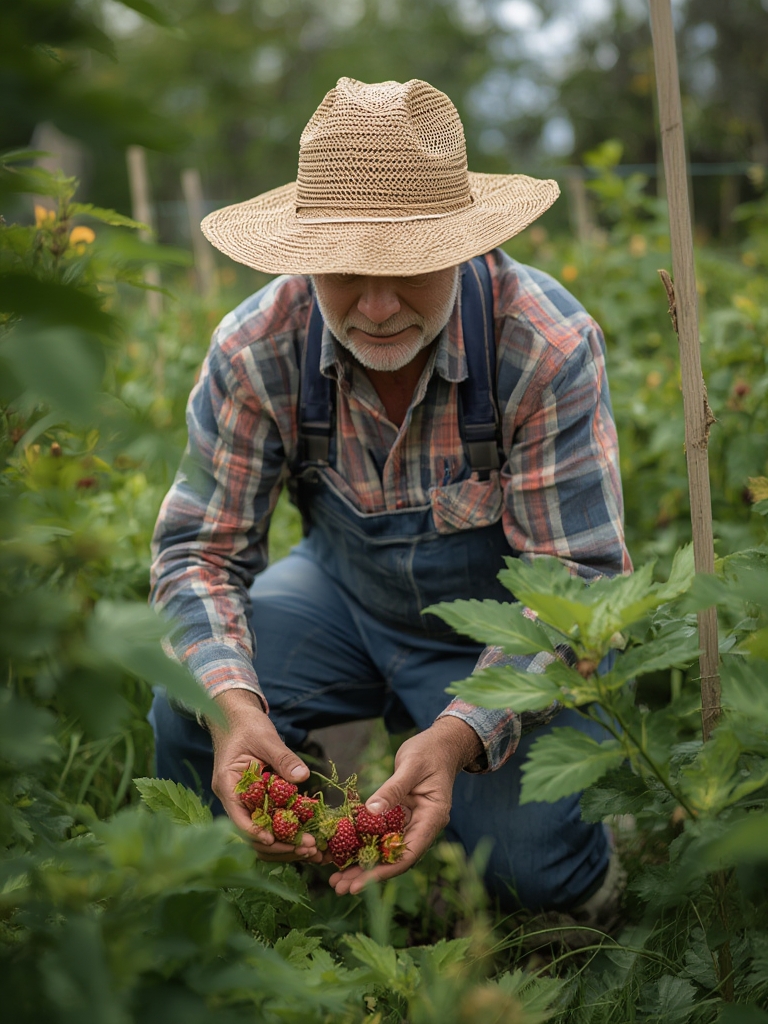
Harvest carefully: Pick gooseberries when firm and fully colored for preserves, or softer and sweeter for fresh eating. Use gloves and pull gently downward to avoid tearing the fruit.
Nutritional Benefits
Gooseberries are nutritional powerhouses containing high levels of vitamin C (33% of daily needs in one cup), fiber, and antioxidants. They’re naturally low in calories and contain compounds that may help regulate blood sugar levels. Growing them yourself ensures you get the freshest berries with maximum nutritional value, harvested at peak ripeness.
Tips, Alternative Methods, or Gardening Advice
Container growing works wonderfully for gooseberries—choose a 16-20 inch pot with drainage holes and use premium potting mix. In very hot regions, consider growing gooseberries in dappled shade or on a north-facing wall. For thorny varieties, train them against a fence or trellis for easier harvesting. In colder regions (zones 3-4), provide winter protection with extra mulch around the base.
Common Mistakes to Avoid
- Improper pruning: Avoid removing too many new stems, which will reduce next year’s crop.
- Inconsistent watering: Uneven moisture causes fruit splitting; use mulch and regular watering.
- Ignoring pests early: Watch for currant worms and aphids; treat promptly with neem oil or insecticidal soap.
- Overcrowding: Poor air circulation leads to powdery mildew; maintain proper spacing between plants.
- Harvesting too early: Unripe gooseberries are extremely tart; wait until proper ripeness for best flavor.
Storage / Maintenance Tips
Keep harvested gooseberries in the refrigerator for up to two weeks. For longer storage, freeze whole berries on trays before transferring to freezer containers. For bushes, apply compost annually in spring, maintain a thick mulch layer, and water during dry periods. Prune in late winter when plants are dormant, removing dead or diseased branches and thinning the center for better airflow.
Conclusion
Growing gooseberries combines ease of care with exceptional rewards. These resilient bushes demand little but give abundantly, offering unique fruits that connect us with traditional gardening wisdom. Whether you’re making grandma’s gooseberry fool recipe or discovering these gems for the first time, home-grown berries will transform your appreciation for these special fruits. Start your gooseberry adventure this season—your future self will thank you during those first magnificent harvests!
FAQs
When is the best time to plant gooseberry bushes?
Plant bare-root gooseberries in late fall or early spring when plants are dormant. Container-grown plants can be planted throughout the growing season if kept well-watered.
Do gooseberries need a pollinator?
No, gooseberries are self-fertile, meaning a single bush will produce fruit without needing a different variety nearby for pollination.
How can I tell when gooseberries are ripe?
Ripe gooseberries will be slightly soft to the touch and fully developed in color (green, red, or yellow depending on variety). They should detach easily from the bush when gently pulled.
Are gooseberry leaves and stems toxic?
While the fruits are edible, the leaves and stems contain small amounts of hydrogen cyanide and should not be consumed. This is not a concern for growing or handling the plants normally.
Can gooseberries grow in shade?
Yes, gooseberries tolerate partial shade better than many fruits and often prefer afternoon shade in warmer climates. However, they’ll produce more fruit with at least 4-6 hours of sunlight daily.