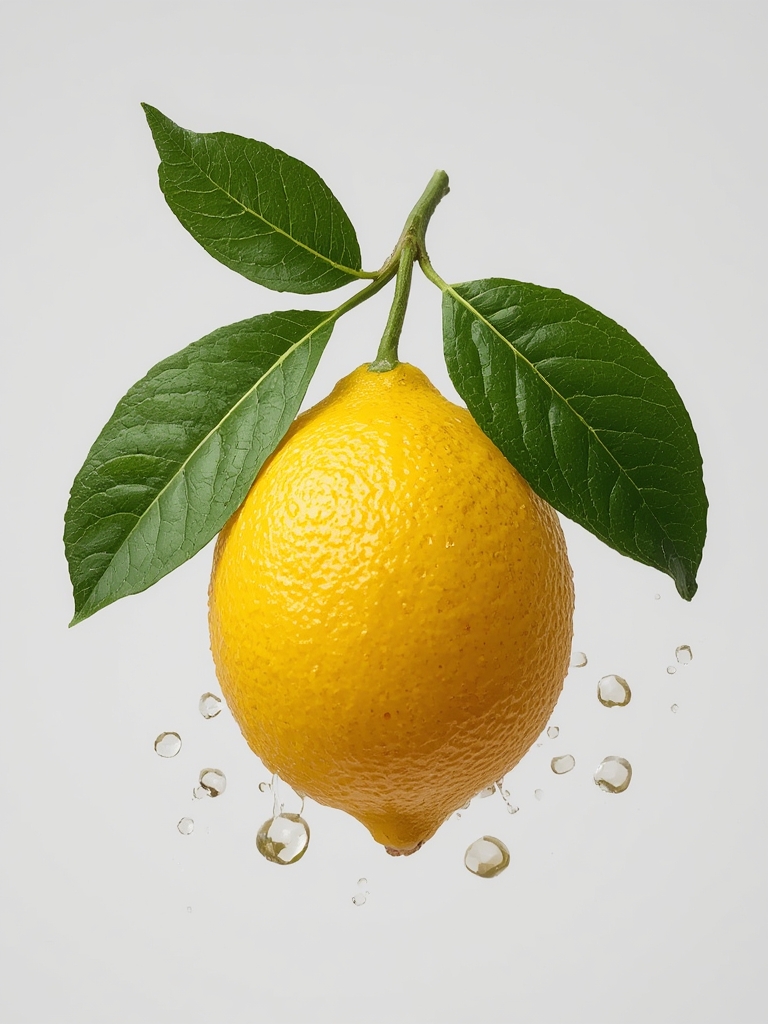

Have you ever dreamed of harvesting fresh, sweet Meyer lemons right from your own home, regardless of where you live? Growing Meyer lemon trees in containers is not only possible but surprisingly manageable, even for beginners. Unlike standard lemons, Meyer lemons offer a sweeter, less acidic flavor with a distinctive fragrance that can transform both your recipes and your living space. With container gardening, you can enjoy this citrus tree variety even if you don’t have a yard or live in a colder climate.
Table of Contents
Materials & Supplies

To successfully grow your Meyer lemon tree in a container, you’ll need:
- 5-7 gallon container with drainage holes (ceramic or plastic)
- Well-draining citrus potting mix (or regular potting soil mixed with 30% perlite)
- Young Meyer lemon tree (1-2 years old from a reputable nursery)
- Slow-release citrus fertilizer (NPK 2-1-1 or similar ratio)
- Pruning shears (bypass pruners work best)
- Neem oil or insecticidal soap
- pH meter or testing kit (optional but helpful)
- Pot saucer or wheeled plant caddy for mobility
- Grow light (if indoor lighting is insufficient)
Opt for a slightly larger pot than you think necessary, as Meyer lemon trees appreciate room for root development and will need less frequent repotting.
Timing / Growing Schedule
Meyer lemon trees are evergreen and can be planted year-round, though spring is ideal. Here’s what to expect:
- Initial establishment period: 4-8 weeks
- First flowering: 6-12 months after planting (may need to remove early flowers)
- First fruit harvest: 6-12 months after flowering
- Productive lifespan in containers: 10+ years with proper care
Most container-grown Meyer lemon trees produce fruit 1-2 times per year, with the main harvest typically occurring in winter through early spring. This is significantly faster than growing from seed, which can take 4-7 years to produce fruit.
Step-by-Step Instructions

Prepare your container: Ensure it has multiple drainage holes. Add a layer of gravel at the bottom for extra drainage.
Fill with appropriate soil: Use citrus-specific potting mix or create your own by mixing regular potting soil with perlite and a bit of compost. Aim for a pH between 5.5 and 6.5.
Plant your tree: Position the root ball so the top is about 1 inch below the container rim. Ensure the graft union (swollen area on the trunk) remains above soil level.
Initial watering: Water thoroughly until it flows from drainage holes, then allow the top inch of soil to dry before watering again.
Placement: Position in a spot that receives 8-10 hours of sunlight daily. South or southwest-facing windows are ideal for indoor growth.
Seasonal care: Move outdoors during summer months if possible. Bring indoors when temperatures drop below 50°F (10°C).
Pollination: Gently shake flowering branches or use a small brush to transfer pollen between flowers when grown indoors
Nutritional Benefits & Advantages
Meyer lemons aren’t just delicious – they’re incredibly healthy too. They contain:
- High vitamin C content (more than 30% of daily requirements per fruit)
- Potassium and folate for heart health
- Antioxidants that may help reduce inflammation
- D-limonene, which has cancer-fighting properties
Growing your own ensures organic fruit free from commercial pesticides and waxes, while container growing allows you to enjoy this subtropical citrus tree even in northern climates.
Tips & Alternative Methods
- Indoor growing: Use grow lights if window light is insufficient (12-16 hours daily).
- Humidity boosting: Place the container on a pebble tray with water to increase humidity around the plant.
- Root pruning: Every 3-4 years, trim up to 20% of roots when repotting to maintain container size.
- Dwarf varieties: Consider ‘Improved Meyer’ or ‘Dwarf Meyer’ for smaller spaces.
- Companion planting: Grow herbs like basil or mint in the same container to maximize space and deter pests.
Common Mistakes to Avoid
- Overwatering: More Meyer lemon trees die from too much water than too little. Wait until the top 1-2 inches of soil are dry.
- Insufficient light: Leggy growth and lack of flowering indicate inadequate light exposure.
- Using garden soil: Never use outdoor soil in containers as it compacts and may contain pathogens.
- Inconsistent fertilizing: Establish a regular feeding schedule (typically every 6-8 weeks during growing season).
- Ignoring pest issues: Check regularly for scale, aphids, and spider mites, especially when indoors.
Storage & Maintenance Tips
- Watering routine: Water deeply but infrequently, allowing soil to partially dry between waterings.
- Fertilization: Apply citrus fertilizer at half-strength monthly during growing season, reduce to quarterly in winter.
- Pruning: Remove crossing branches and maintain an open center to improve air circulation.
- Harvesting: Fruit is ready when firm, deeply colored, and slightly soft when gently squeezed.
- Winter care: Reduce watering by about 30% during dormancy; maintain temperatures above 50°F.
Conclusion
Growing Meyer lemon trees in containers brings the joy of homegrown citrus to any living situation, from apartments to suburban homes. With proper care, your potted Meyer lemon tree will reward you with fragrant blossoms and sweet, versatile fruit for many years. The satisfaction of harvesting your own lemons – knowing exactly how they were grown – makes every step worthwhile. Why not start your container citrus journey today?
FAQs
How often should I water my container-grown Meyer lemon tree?
Water when the top 1-2 inches of soil feels dry to the touch, typically every 5-7 days in summer and 10-14 days in winter, adjusting based on your specific conditions.
Why isn’t my Meyer lemon tree producing fruit?
Lack of fruiting is commonly caused by insufficient light, improper pollination, or nutritional deficiencies. Ensure 8+ hours of direct sunlight and use a fertilizer specifically formulated for citrus trees.
Can Meyer lemon trees survive winter indoors?
Yes, Meyer lemons can thrive indoors during winter if placed in a bright location, preferably near a south-facing window. Maintain temperatures between 50-75°F and consider supplemental lighting.
How do I know when my Meyer lemons are ripe?
Ripe Meyer lemons have a deep yellow-orange color, slight give when gently squeezed, and sweet fragrance. They typically take 6-9 months to mature after flowering.
Should I prune my container-grown Meyer lemon tree?
Yes, annual light pruning helps maintain size, shape, and airflow. Remove crossing branches, water sprouts, and leggy growth after the main fruiting period.