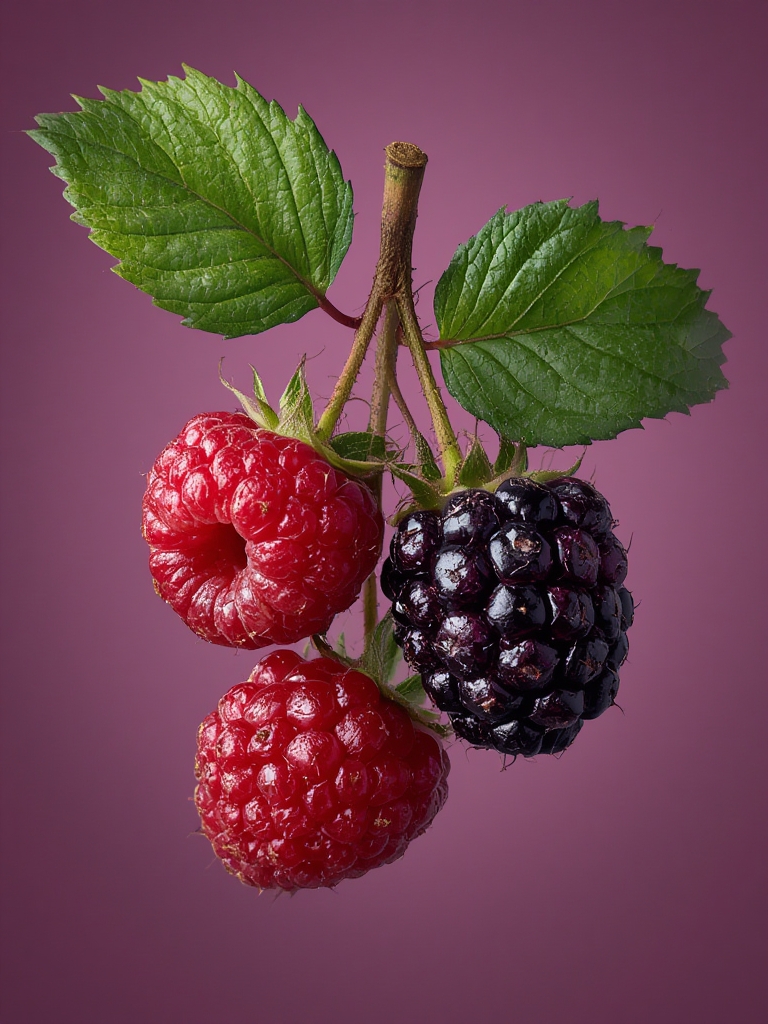

Have you ever tasted a sun-warmed Raspberries and Blackberries picked straight from the garden? Nothing compares to the sweet-tart flavor of homegrown berries, bursting with nutrition and natural goodness. Growing raspberry and blackberry plants in your home garden not only provides delicious fresh fruits but also saves money on expensive store-bought berries while ensuring your family enjoys pesticide-free produce. These versatile berry plants are surprisingly manageable for beginners and can provide years of abundant harvests with proper care.
Table of Contents
Materials & Supplies
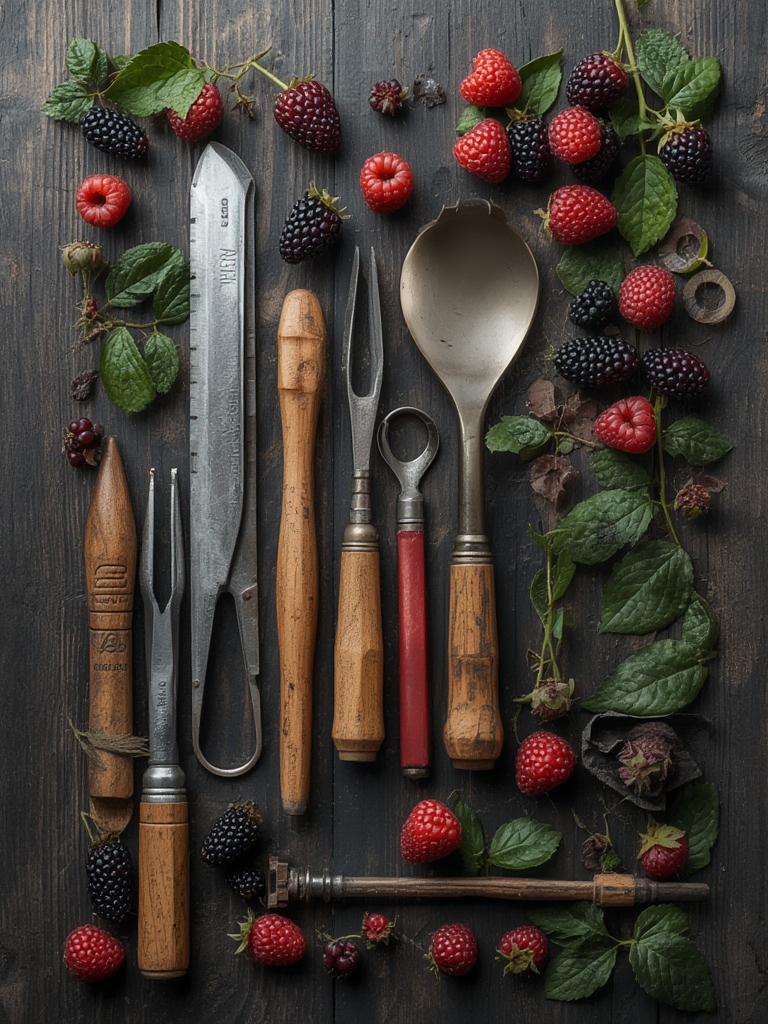
To start your berry patch, you’ll need:
- Raspberry and blackberry canes/plants: Choose bare-root plants or potted varieties from reputable nurseries; select disease-resistant cultivars suited to your growing zone
- Garden space: Full sun location with well-draining soil (or large containers, 5-7 gallons minimum)
- Compost or aged manure: 2-3 inches to incorporate into planting area
- Support system: Trellis, fence, or post-and-wire system (especially important for trailing blackberry varieties)
- Pruning shears: Clean, sharp tools for maintenance pruning
- Mulch: 2-3 inches of organic mulch like straw, pine needles, or wood chips
- Watering equipment: Soaker hoses or drip irrigation system preferred for consistent moisture
- pH testing kit: To ensure soil pH is between 5.5-6.5 for optimal growth
- Bird netting (optional): To protect ripening berries from hungry birds
Timing / Growing Schedule
For best results, plant raspberry and blackberry canes in early spring after the threat of hard frost has passed, or in late fall in milder climates. Bare-root plants should be planted while dormant. Most varieties begin producing fruit in their second year, though some fall-bearing raspberries may produce a small harvest in their first autumn.
Expect to wait 2-3 years for plants to reach full production capacity. Once established, raspberry patches can remain productive for 10+ years, while blackberry plants typically produce well for 10-15 years with proper maintenance.
Step-by-Step Instructions
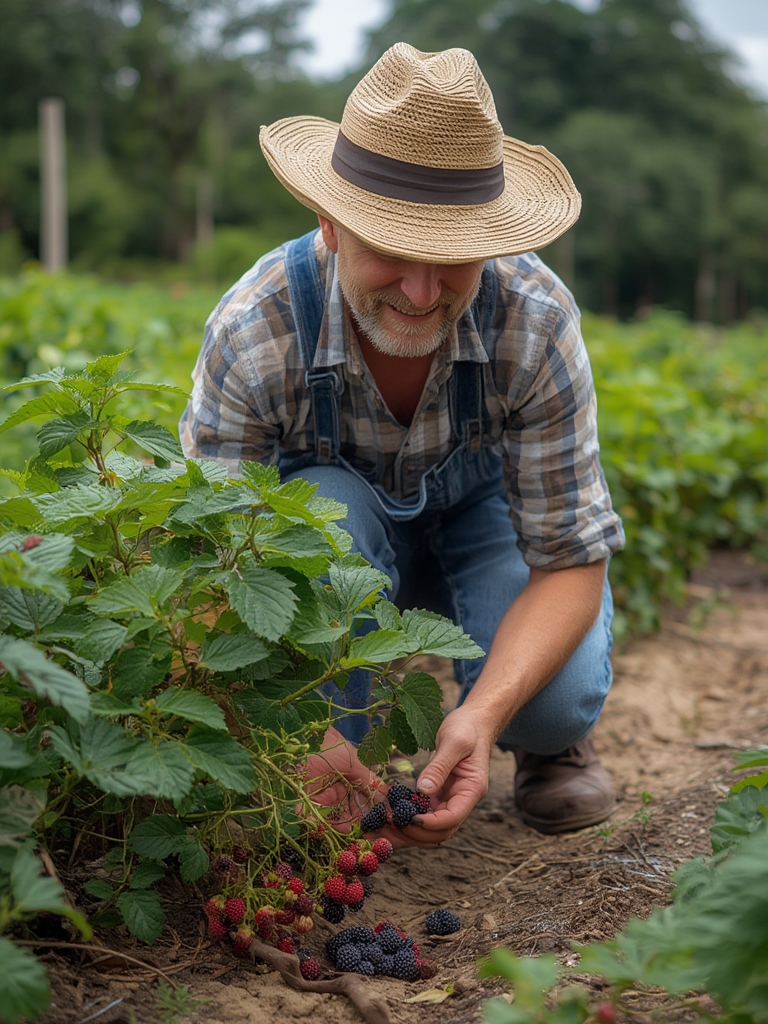
Select your site carefully: Choose a full-sun location with well-draining soil, sheltered from strong winds. Avoid areas where tomatoes, potatoes, or peppers have recently grown to prevent disease transmission.
Prepare the soil: Test soil pH and amend to reach 5.5-6.5. Incorporate 2-3 inches of compost or aged manure to improve fertility and drainage.
Install support structures: Set up trellises or post-and-wire systems before planting, with wires at 2 and 5 feet heights for training canes.
Plant properly: Space raspberry canes 18-24 inches apart in rows 6 feet apart; blackberries need 3-4 feet between plants. Dig holes twice as wide as root balls but at the same depth plants grew previously.
Water thoroughly: Provide 1-2 inches of water weekly during the growing season, more during fruit development and hot weather.
Mulch generously: Apply 2-3 inches of organic mulch to suppress weeds, retain moisture, and gradually improve soil quality.
Prune appropriately: Summer-bearing raspberries and blackberries fruit on second-year canes (floricanes); remove these canes after fruiting and train new first-year canes (primocanes).
Nutritional Benefits
Home-grown raspberries and blackberries deliver exceptional nutritional value with high levels of vitamin C, fiber, and powerful antioxidants. These berries contain ellagic acid and anthocyanins that help fight inflammation and support heart health. Growing your own ensures maximum freshness and nutrient retention, as store-bought berries lose vitamins rapidly after harvesting.
Tips, Alternative Methods, or Gardening Advice
Container growing works well for small spaces – choose compact varieties like ‘Raspberry Shortcake’ or ‘Baby Cakes’ blackberry. Thornless varieties like ‘Triple Crown’ blackberry make harvesting easier. In hot climates, provide afternoon shade to prevent fruit sunscald. Consider growing both summer-bearing and fall-bearing raspberry varieties to extend your harvest season from June through October.
Common Mistakes to Avoid
- Improper spacing: Crowded plants increase disease risk; follow recommended spacing for air circulation.
- Inadequate support: Failing to provide trellising leads to sprawling, unproductive plants.
- Over-fertilizing: Excessive nitrogen promotes leafy growth at the expense of fruit; use balanced organic fertilizers.
- Inconsistent watering: Irregular moisture stresses plants and reduces fruit quality; aim for even soil moisture.
- Neglecting pruning: Skipping annual pruning leads to tangled, disease-prone patches with diminished yields.
Storage / Maintenance Tips
Harvest berries in early morning when cool and dry. Refrigerate unwashed berries in ventilated containers, using within 2-3 days for best quality. For long-term storage, freeze berries on cookie sheets before transferring to freezer containers.
Fertilize established plants in early spring with balanced organic fertilizer. Apply compost annually and refresh mulch as needed. Monitor for pests like spotted wing drosophila and Japanese beetles, using organic controls when necessary.
Conclusion
Growing raspberries and blackberries rewards gardeners with years of delicious, nutritious fruit that far surpasses store-bought options in flavor and freshness. With proper site selection, support systems, and maintenance, these productive perennials can become the stars of your edible landscape. Start your berry patch this season and enjoy the satisfaction of harvesting your own sun-ripened treasures!
FAQs
How long does it take for raspberry and blackberry plants to produce fruit?
Most varieties begin producing significant harvests in their second year, reaching full production by year three.
Can raspberries and blackberries be grown in containers?
Yes, compact varieties thrive in large containers (minimum 5-7 gallons) with good drainage and regular watering and fertilizing.
Why are my berries small or malformed?
This typically results from inadequate pollination, inconsistent watering, or pest damage. Ensure plants receive consistent moisture and monitor for pests like tarnished plant bugs.
How do I know when to harvest my berries?
Ripe raspberries and blackberries detach easily from the plant with gentle pulling. Raspberries are ready when they separate from the white core; blackberries turn fully black with a glossy appearance.