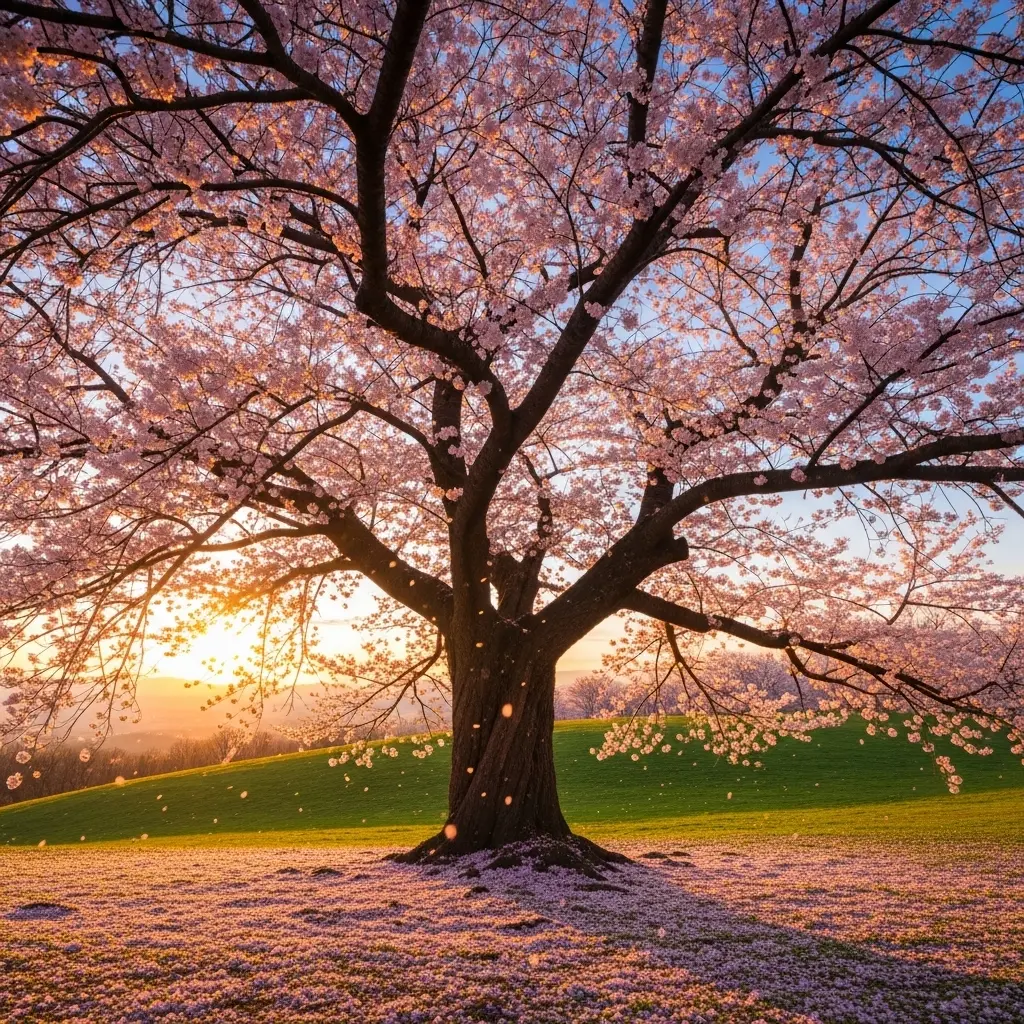

Have you ever tasted a sun-ripened cherry plucked straight from the tree? There’s something magical about biting into that juicy, sweet fruit that simply can’t be replicated by store-bought varieties. Growing your own cherry trees at home not only provides you with the freshest possible fruit but also adds beautiful ornamental value to your landscape. Cherry trees, with their stunning spring blossoms and summer bounty, offer both aesthetic appeal and delicious rewards for gardeners willing to invest some time and patience. Whether you have a spacious yard or just a sunny corner, cherries can become a fruitful addition to your home garden with the right approach.
Table of Contents
Materials & Supplies
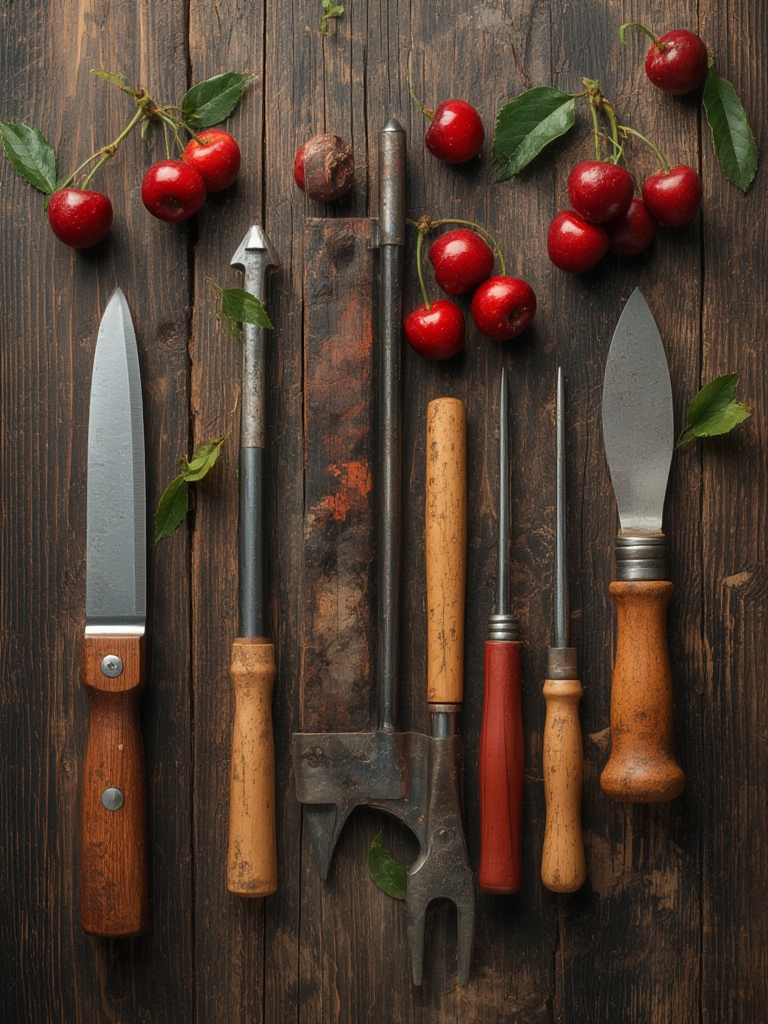
To successfully grow cherry trees, you’ll need:
- Cherry tree saplings: Choose between sweet varieties (Bing, Rainier, Stella) or sour varieties (Montmorency, North Star)
- Compost or aged manure: For soil amendment
- Fertilizer: Balanced 10-10-10 formula specifically for fruit trees
- Garden shovel and spade: For digging planting holes
- Pruning shears: High-quality bypass pruners for maintenance
- Mulch: Wood chips or straw to retain moisture
- Garden hose or irrigation system: For regular watering
- Tree stakes and ties: To support young trees
- pH testing kit: To ensure soil is between 6.0-7.0 pH
- Bird netting (optional): To protect ripening fruit
- Organic pest control solutions: To manage common cherry pests
Timing / Growing Schedule
Cherry trees are typically planted in late fall or early spring when dormant. After planting, expect:
- 3-5 years until first fruit production
- Blossoms in early-mid spring
- Harvest from mid-June to late July (depending on variety and climate)
- 20+ year lifespan with proper care
This timeline is significantly longer than annual vegetables but offers decades of returns on your initial investment. Mark your calendar for spring pruning and summer harvest seasons.
Step-by-Step Instructions
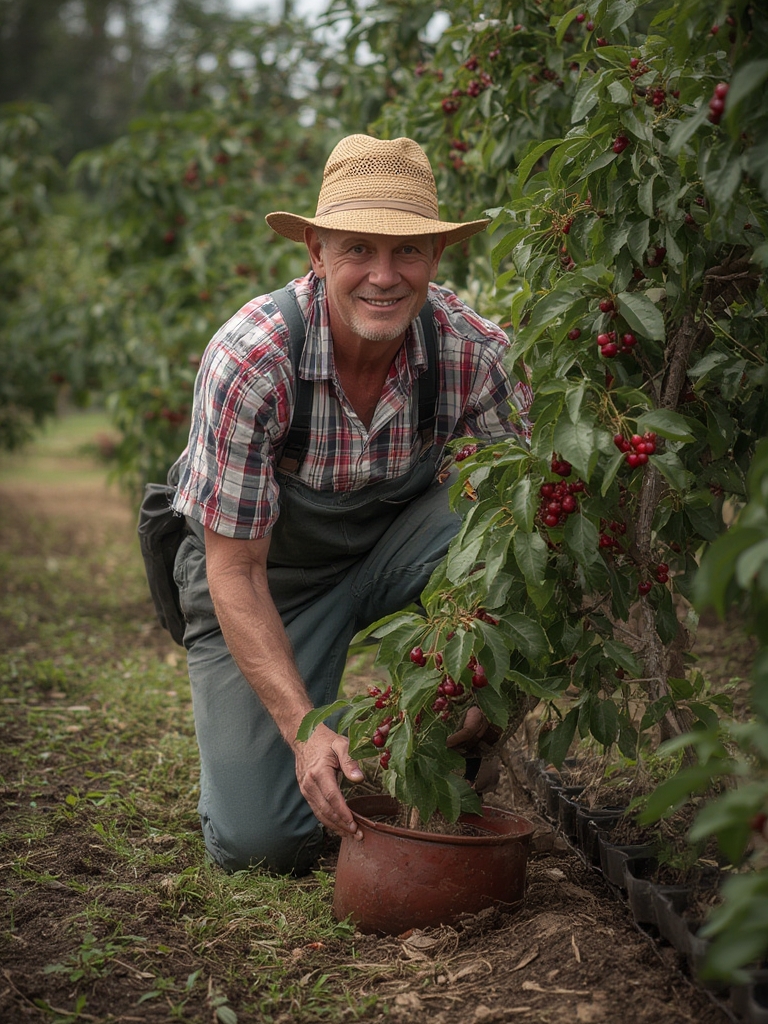
Select your location: Choose a spot with full sun (6+ hours daily) and well-draining soil. Ensure adequate space—standard cherry trees need 20-30 feet spacing, while dwarf varieties need 8-10 feet.
Test and prepare soil: Cherry trees prefer slightly acidic to neutral soil (pH 6.0-7.0). Amend heavy clay soils with compost to improve drainage.
Dig the planting hole: Make it twice as wide as the root ball but only as deep. This encourages outward root growth.
Plant your tree: Place the sapling so the graft union (swollen area near the base) sits 2-3 inches above soil level. Backfill with native soil mixed with compost.
Water thoroughly: Create a water basin around the tree and water deeply after planting. Continue regular watering (1-2 inches weekly) during the first growing season.
Mulch around the base: Apply 2-4 inches of mulch in a 3-foot circle, keeping it away from the trunk to prevent rot.
Prune strategically: In winter, shape young trees with an open center to allow light penetration. Remove crossing branches and maintain height for easier harvesting.
Nutritional Benefits
Cherries are nutritional powerhouses containing:
- High levels of antioxidants that fight inflammation
- Good source of vitamin C, potassium, and fiber
- Natural melatonin that may help improve sleep quality
- Low glycemic index despite their sweet taste
- Compounds that may reduce post-exercise soreness
Home-grown cherries typically contain higher nutrient levels than store-bought varieties as they’re allowed to ripen fully on the tree.
Tips and Alternative Methods
- For small spaces: Consider dwarf cherry varieties that grow just 8-10 feet tall and can thrive in large containers.
- In colder climates: Select cold-hardy sour cherry varieties that can withstand temperatures to -20°F.
- For pollination: Most sweet cherries require a compatible pollinator tree nearby, while many sour varieties are self-pollinating.
- Container growing: Use a 15-20 gallon container with drainage holes and a quality potting mix designed for fruit trees.
Common Mistakes to Avoid
- Improper pruning: Avoid heavy pruning in fall or winter as this can make trees susceptible to silver leaf disease.
- Overwatering: Cherry trees hate wet feet—ensure good drainage to prevent root rot.
- Neglecting pest management: Watch for cherry fruit fly and black cherry aphids; treat promptly with appropriate organic methods.
- Planting too deep: This common mistake can lead to trunk rot and early tree death.
Storage and Maintenance Tips
Keep your cherry trees thriving with these maintenance practices:
- Prune annually during late winter dormancy
- Fertilize in early spring with a balanced fruit tree formula
- Thin fruit on heavy-bearing branches to prevent breakage
- Harvest promptly when ripe to prevent bird damage
- Store harvested cherries in the refrigerator for up to one week
- For longer storage, pit and freeze cherries for up to 12 months
Conclusion
Growing cherry trees requires patience but rewards gardeners with decades of beautiful blossoms and delicious fruit. With proper site selection, regular care, and attentive pruning, you can enjoy the incomparable taste of home-grown cherries each summer. Whether you opt for sweet varieties for fresh eating or sour types perfect for pies and preserves, cherry trees make a valuable addition to any home orchard or landscape. Ready to get started? The best time to plant a cherry tree was five years ago—the second best time is now!
FAQs
How long does it take for cherry trees to produce fruit?
Most cherry trees begin producing fruit 3-5 years after planting, with full production reached at 7-9 years.
Do I need more than one cherry tree for pollination?
Sweet cherries typically require cross-pollination from a compatible variety, while most sour cherry varieties are self-pollinating and can produce fruit with just one tree.
How do I protect my cherries from birds?
Bird netting, reflective tape, or decoy predators can help deter birds. Apply netting once fruits begin to show color.
Can cherry trees grow in containers?
Yes, dwarf cherry varieties can thrive in large containers (15+ gallons) with proper care, making them suitable for patios and small gardens.