
Have you ever wondered how those tiny chia seeds that add nutritional punch to your smoothies and puddings actually grow? Cultivating your own chia plants at home is not only surprisingly simple but also incredibly rewarding. By growing chia yourself, you’ll have access to fresh, organic seeds packed with omega-3 fatty acids, fiber, and protein—without the premium price tag of store-bought options. Whether you have a spacious garden or just a sunny windowsill, chia plants can thrive in various environments, making them an excellent addition to any home gardening project.
Table of Contents
Materials & Supplies

To successfully grow chia at home, you’ll need these essential supplies:
- Chia seeds: Purchase organic, non-irradiated seeds to ensure successful germination
- Growing containers: Use 6-8 inch pots with drainage holes or garden beds
- Potting soil: Well-draining soil mix with compost (or equal parts peat, perlite, and garden soil)
- Watering can: With fine spray nozzle for gentle watering
- Spray bottle: For misting seedlings
- Plant labels: To track planting dates and varieties
- Liquid organic fertilizer (optional): For boosting growth if soil lacks nutrients
- Pruning shears: For harvesting seed heads
For those with limited space, a sunny windowsill or balcony works perfectly, as chia plants are adaptable and don’t require extensive gardening equipment.
Timing / Growing Schedule
Chia plants thrive in warm conditions similar to their native Mexican and Guatemalan environments:
- Preparation: 1-2 days for gathering materials and preparing soil
- Germination period: 7-14 days for seeds to sprout
- Growth to maturity: 120-180 days (approximately 4-6 months)
- Harvesting period: When flower heads turn brown and dry (typically fall for spring-planted chia)
For best results, start chia seeds indoors 6-8 weeks before your last frost date if you live in cooler climates. In warmer regions (USDA zones 8-11), you can direct sow after all danger of frost has passed.
Step-by-Step Instructions

Prepare your containers: Fill pots with well-draining soil mixture, leaving 1 inch of space at the top. Lightly tamp down the soil without compacting it.
Sow the seeds: Sprinkle chia seeds thinly across the soil surface. Since they’re tiny, mix them with sand for more even distribution. Cover with just a dusting of soil (1/8 inch maximum).
Water carefully: Mist the soil surface to avoid displacing seeds. Keep the soil consistently moist but never soggy during germination.
Provide adequate light: Place in a spot receiving 6-8 hours of direct sunlight daily. For indoor growing, use a grow light positioned 6 inches above seedlings.
Thin seedlings: Once plants reach 2-3 inches tall, thin to 8-12 inches apart to allow proper air circulation and growth.
Water and feed: Water when the top inch of soil feels dry. Apply diluted organic liquid fertilizer monthly during the growing season.
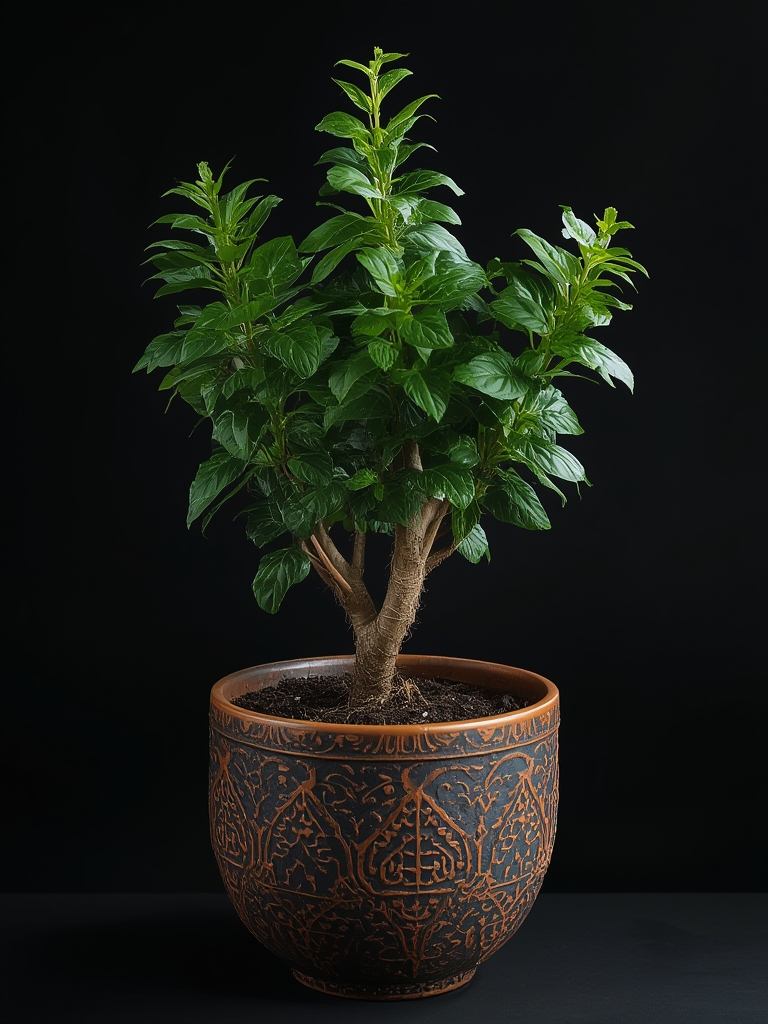
Support tall plants: Mature chia plants can reach 3-5 feet tall. In windy areas, provide gentle support with stakes if needed.
Harvest seeds: When flower spikes turn brown and dry, cut them off and hang upside down in a paper bag to catch falling seeds. Alternatively, gently rub dried flower heads between your palms over a clean surface.
Nutritional Benefits
Growing your own chia provides exceptional nutritional advantages:
- Exceptionally high in omega-3 fatty acids (higher than salmon per serving)
- Rich in fiber (11 grams per ounce)
- Complete protein containing all nine essential amino acids
- Excellent source of calcium, phosphorus, and manganese
- Contains antioxidants that help protect cells
- Fresh home-grown chia typically has higher nutrient content than store-bought seeds that may have been stored for months
Tips, Alternative Methods, or Gardening Advice
- Container growing: Chia grows wonderfully in containers at least 8 inches deep. Use larger pots for multiple plants.
- Indoor cultivation: Under grow lights, chia can be grown year-round as microgreens for salads and garnishes.
- Companion planting: Chia grows well alongside herbs like basil and mint, attracting beneficial pollinators.
- Water conservation: Install a drip irrigation system to conserve water while keeping plants consistently hydrated.
- Succession planting: Sow seeds every 3-4 weeks for continuous harvests if your growing season allows.
Common Mistakes to Avoid
- Overwatering: Chia plants are drought-tolerant once established. Excessive moisture can cause root rot.
- Planting too deeply: Seeds need light to germinate, so barely cover them with soil.
- Overcrowding: Failing to thin seedlings leads to weak plants and reduced yields.
- Harvesting too early: Wait until flower heads are completely brown and dry for maximum seed production.
- Ignoring temperature requirements: Chia requires warm soil (at least 70°F) for good germination.
Storage / Maintenance Tips
Store harvested chia seeds in airtight glass containers in a cool, dark place for up to two years. For ongoing plant care:
- Deadhead spent flowers to encourage new blooms and extended seed production
- Apply mulch around established plants to retain moisture and suppress weeds
- Protect from strong winds that can damage tall, mature plants
- In mild climates, cut back plants after harvest and they may regrow for a second season
- Save some seeds for next season’s planting
Conclusion
Growing chia at home connects you with an ancient superfood cultivated by the Aztecs and Mayans thousands of years ago. With minimal effort, you can produce a continuous supply of nutrient-dense seeds for your family while enjoying the beautiful purple-blue flowers that attract beneficial pollinators to your garden. Start with a small batch and expand as you gain confidence—you’ll be amazed at how quickly these resilient plants transform into a productive food source. Have you tried growing chia? Share your experiences in the comments or explore our related posts on growing other superfoods at home!
FAQs
How much space do I need to grow enough chia for my family?
A 4×4 foot garden bed can yield approximately 1-2 pounds of chia seeds, which is sufficient for most families for several months, considering the small quantities typically used in recipes.
Can I grow chia in colder climates?
Yes, but start seeds indoors 6-8 weeks before the last frost and transplant outdoors once temperatures consistently stay above 60°F. In regions with short summers, choose a sheltered, south-facing location to maximize heat.
Are chia microgreens edible?
Absolutely! Harvest chia microgreens when they’re 2-3 inches tall, about 7-10 days after planting. They have a mild, nutty flavor perfect for salads and sandwiches.
How do I know when chia seeds are ready to harvest?
Harvest when flower heads turn brown and seeds appear dark gray to black. Test by gently tapping a flower head—if seeds fall easily, they’re ready for harvest.
Can chia plants be grown hydroponically?
Yes, chia adapts well to hydroponic systems, particularly deep water culture or nutrient film technique systems, with balanced nutrient solution and plenty of light.