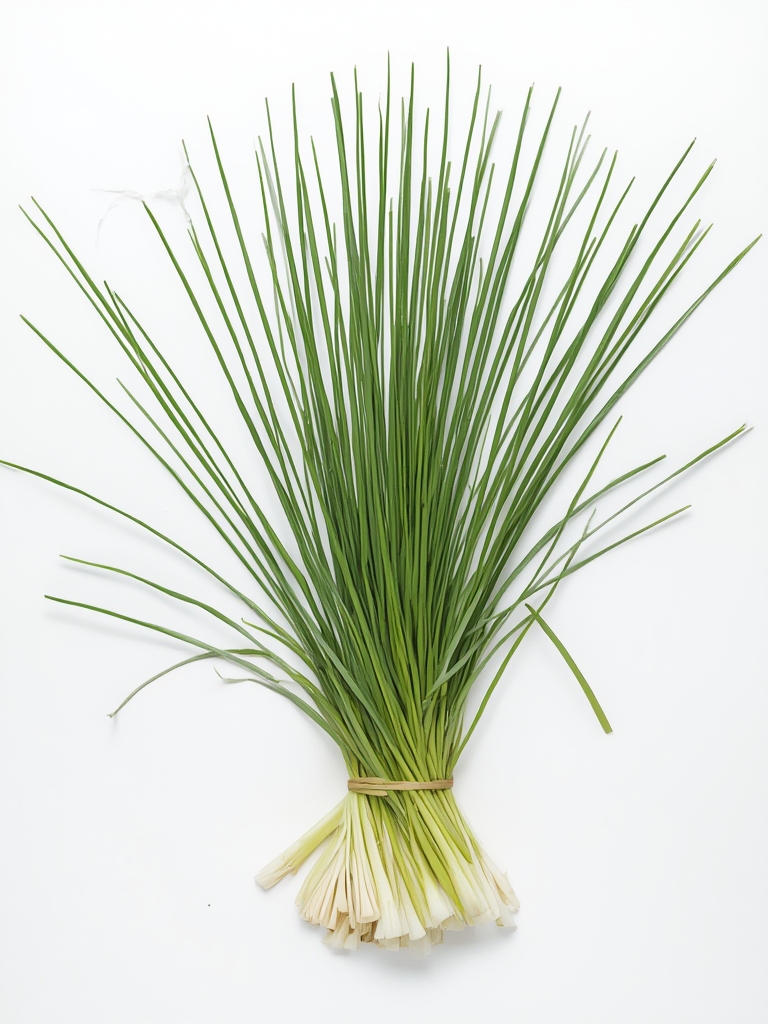

Have you ever reached for fresh herbs while cooking only to discover you’re out of that essential ingredient? Growing chives at home can solve this common kitchen dilemma. As one of the easiest herbs to cultivate, chives reward even novice gardeners with their quick growth and abundant harvests. These slender, onion-flavored greens not only add a burst of flavor to your dishes but also beautify your garden with their purple pom-pom blooms. Let’s explore how you can grow chives quickly and efficiently for a constant supply of this versatile herb right in your own kitchen garden.
Table of Contents
Materials & Supplies
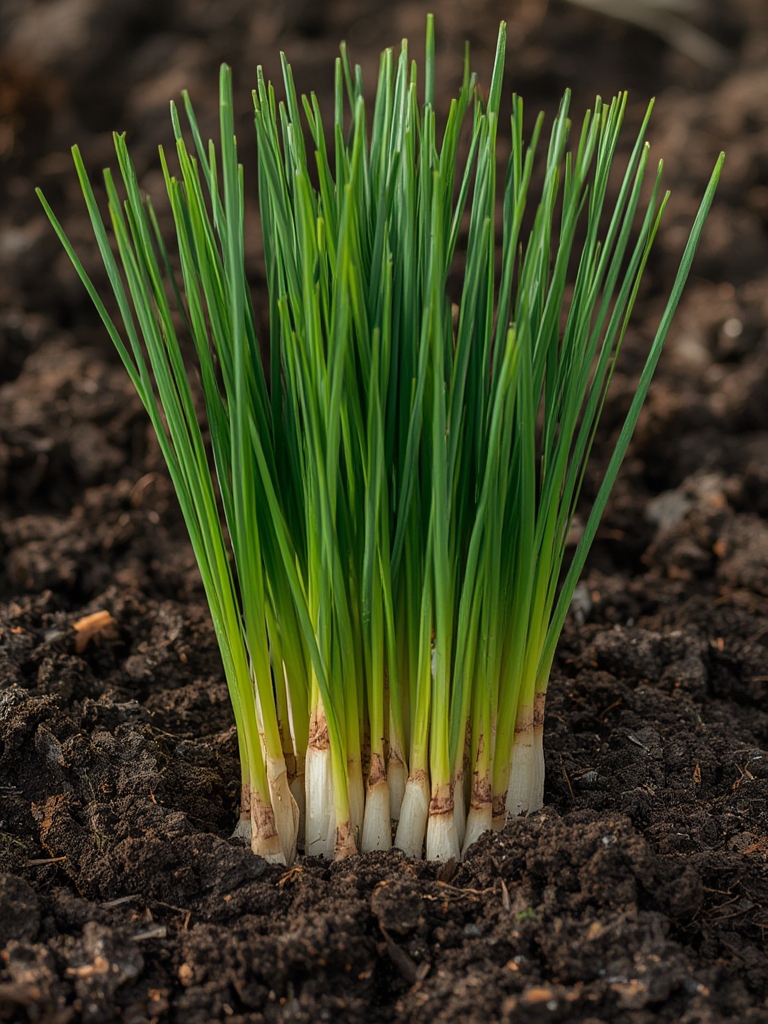
To start growing chives successfully, gather these essential supplies:
- Chive seeds or starter plants: Seeds are more economical, while starter plants give you a head start.
- Potting soil: Choose an organic, well-draining mix with compost for best results.
- Container: A 6-8 inch pot with drainage holes works perfectly for chives.
- Watering can: With a gentle spray nozzle to avoid disturbing young seedlings.
- Organic fertilizer: Liquid seaweed or fish emulsion works wonderfully.
- Garden scissors or shears: For harvesting without damaging the plants.
- Spray bottle: For misting seedlings during germination.
- Plant markers: To identify your herb if growing multiple varieties.
Optional but helpful:
- Seed starting trays: If starting from seeds indoors.
- Grow lights: If your indoor space lacks adequate sunlight.
- Moisture meter: To ensure proper watering schedule.
Timing / Growing Schedule
Chives are remarkably quick to establish compared to many herbs. When starting from seed, expect germination within 7-14 days, with the first harvest possible in just 30 days. For the quickest results, begin with starter plants which can be harvested within 2-3 weeks of planting. Chives are perennial in zones 3-10, meaning they’ll return year after year, with peak growth occurring in spring and early summer. In ideal conditions, chives can provide harvests for up to 5 years before needing division or replanting.
Step-by-Step Instructions
Prepare your container: Fill your pot with well-draining potting soil, leaving about an inch of space below the rim. For fastest growth, add a tablespoon of compost to the soil.
Planting: If using seeds, sprinkle them thinly across the surface and cover with a mere 1/4 inch of soil. For starter plants, create a hole the size of the root ball and plant at the same depth as the original container.
Watering: Moisten the soil thoroughly after planting. For seeds, use a spray bottle to avoid displacing them. Keep the soil consistently moist but never soggy during germination.
Placement: Position your chives where they’ll receive at least 6 hours of sunlight daily. A south-facing windowsill is perfect for indoor growing.
Thinning: When seedlings reach about 2 inches tall, thin them to stand 4-6 inches apart, keeping the strongest plants. This prevents competition and accelerates growth.
Feeding: Apply a half-strength liquid organic fertilizer every 4-6 weeks during the growing season to maximize growth rate and yield.
Nutritional Benefits
Chives aren’t just tasty – they’re nutritional powerhouses containing vitamins A, C, and K, plus minerals like potassium and calcium. Their active compounds have antimicrobial properties that may support immune health. The vibrant green color indicates high chlorophyll content, which has detoxifying effects. Growing them at home ensures you’re getting the freshest, most nutrient-dense herbs possible, as vitamin content begins declining immediately after harvest.
Tips and Alternative Methods
For ultra-fast growth, try these methods:
- Hydroponics: Chives thrive in water-based systems, growing up to 30% faster than in soil.
- Regrowth from scraps: Save the white root ends from store-bought chives and place them in water to regrow new plants.
- Succession planting: Start new containers every 3-4 weeks for continuous harvest.
- Indoor growing: Chives perform excellently under grow lights, allowing year-round cultivation regardless of climate.
- Companion planting: Grow chives near carrots or tomatoes to improve their flavor and repel pests naturally.
Common Mistakes to Avoid
- Overwatering: Yellow tips on chives indicate too much moisture. Allow the top inch of soil to dry before watering again.
- Inadequate light: Pale, spindly growth signals insufficient sunlight. Relocate or supplement with grow lights.
- Overcrowding: Failure to thin seedlings leads to stunted growth. Don’t be afraid to cull weaker plants.
- Harvesting incorrectly: Cutting too low or taking more than 1/3 of the plant at once slows regrowth dramatically.
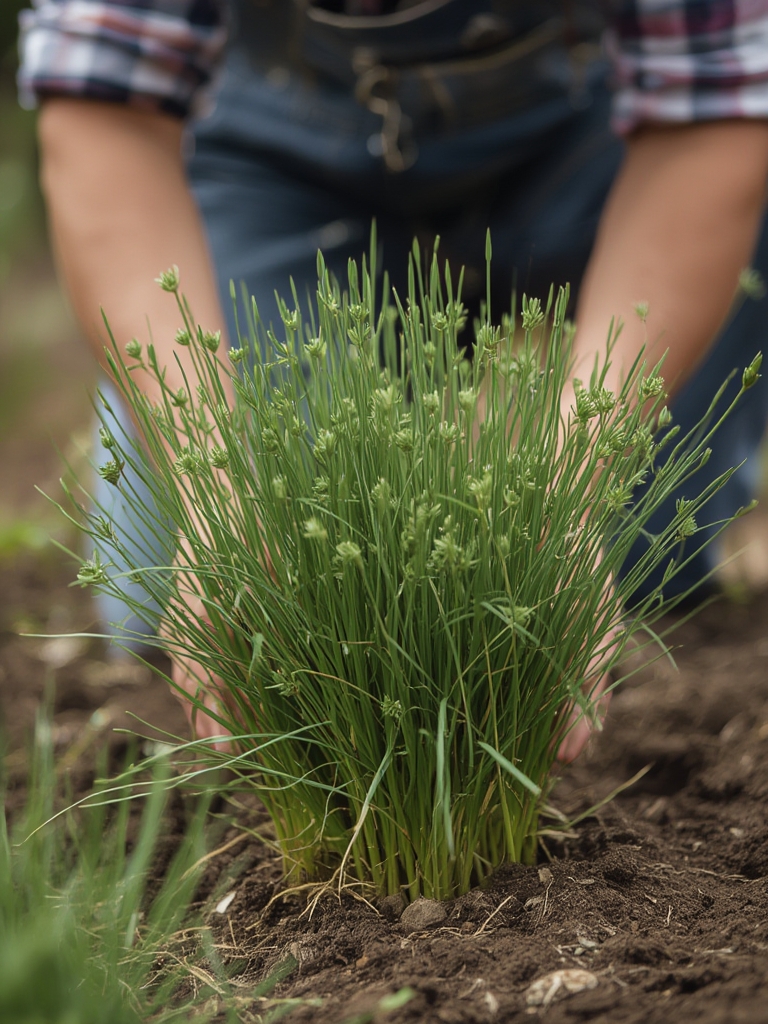
- Letting flowers take over: While beautiful, abundant flowering diverts energy from leaf production. Remove flower heads unless specifically growing for ornamental purposes.
Storage & Maintenance Tips
Maintain your chive plants by watering when the top inch of soil feels dry. Harvest by cutting leaves 2 inches above soil level using clean scissors. For storage, wrap freshly cut chives in slightly damp paper towels and refrigerate for up to one week, or chop and freeze in ice cube trays with water or olive oil for up to six months. Divide chive plants every 3-4 years in early spring to rejuvenate growth and prevent overcrowding. Apply a thin layer of compost around the base annually to provide slow-release nutrients.
Conclusion
Growing chives at home offers an accessible entry point into herb gardening with impressive returns on minimal investment. Their quick growth, minimal care requirements, and multiple harvests make them perfect for impatient gardeners or those with limited space. By following these guidelines, you’ll enjoy the satisfaction of snipping fresh, flavorful chives whenever your recipes call for that distinctive oniony zip. Why not start your chive garden today? Your future dishes will thank you for the upgrade in flavor and nutrition.
FAQs
How often should I water my chives?
Water chives when the top inch of soil feels dry to the touch, typically every 3-4 days for indoor plants and possibly less frequently outdoors depending on rainfall and temperature.
Can I grow chives indoors year-round?
Absolutely! Chives thrive indoors with 6+ hours of bright light daily. They’re perfect for windowsill gardens or under grow lights when natural light is limited.
Why are my chives turning yellow?
Yellowing chives typically indicate overwatering, although nutrient deficiencies or insufficient light can also cause discoloration. Ensure proper drainage and adjust watering frequency accordingly.
Do chives regrow after cutting?
Yes, chives regrow quickly after harvesting. For fastest regrowth, cut leaves 2 inches above the soil line and never remove more than 1/3 of the plant at once.
How can I make my chives grow faster?
Maximize growth by providing plenty of sunlight, maintaining consistent moisture without waterlogging, feeding monthly with diluted liquid fertilizer, and harvesting regularly to stimulate new growth.