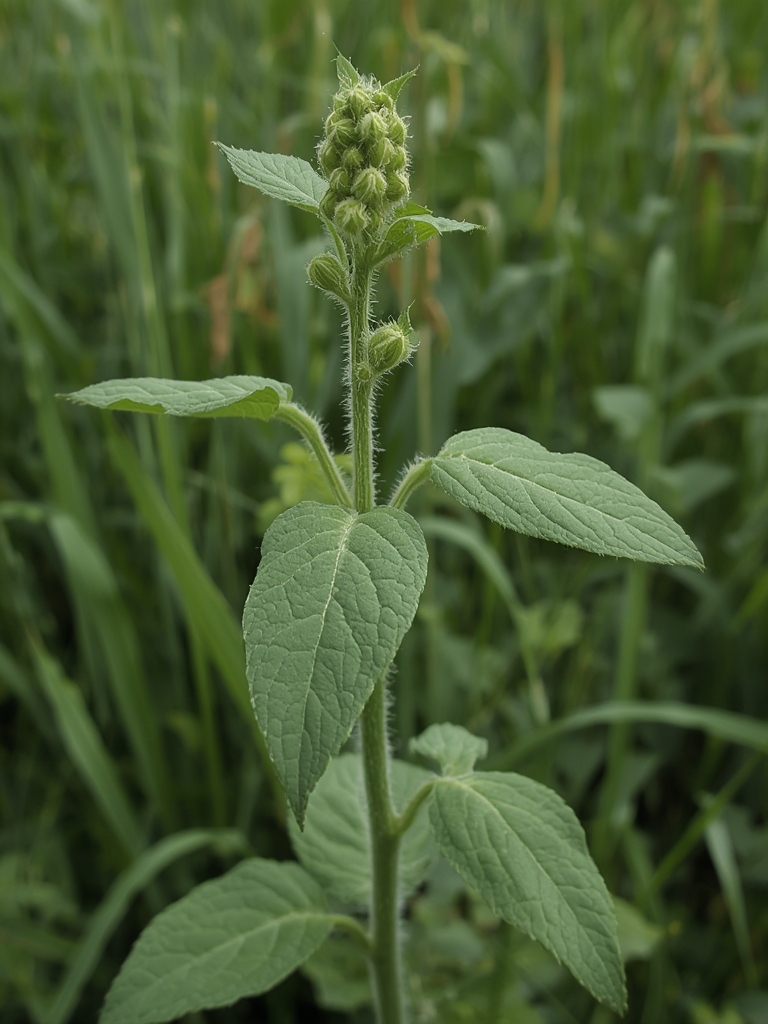

Ever wondered how to improve your garden soil while growing a nutritious crop? Cowpea (Vigna unguiculata) might be your perfect solution. This remarkable legume not only provides protein-rich beans for your table but also naturally enriches your soil with nitrogen. As a warm-season crop that thrives in hot weather, cowpea is an excellent choice for summer gardening when many other vegetables struggle. Growing cowpea in your home garden creates a sustainable cycle – you’ll harvest delicious beans while your soil receives a natural boost that benefits future plantings.
Table of Contents
Materials & Supplies

To successfully grow cowpea, you’ll need:
- Cowpea seeds: Choose varieties like Black-eyed peas, Cream peas, or Purple Hull peas based on your climate and taste preferences
- Garden space or containers: At least 8-10 inches deep with drainage holes
- Garden soil: Well-draining soil amended with compost
- Basic gardening tools: Trowel, garden gloves, watering can or hose
- Trellising materials (optional): Bamboo stakes, garden twine, or premade trellises for climbing varieties
- Organic fertilizer: Low-nitrogen, as cowpeas create their own
- Mulch: Straw, wood chips, or dried leaves to retain moisture
- Inoculant (optional): Rhizobium bacteria specifically for legumes to boost nitrogen fixation
Timing / Growing Schedule
Cowpeas require warm soil temperatures above 60°F (16°C) to germinate properly. Plant them 2-3 weeks after the last spring frost when soil has thoroughly warmed. From planting to harvest typically takes 60-90 days, depending on the variety and whether you’re harvesting green pods or dried beans. For continuous harvest, plant successive batches every 2-3 weeks until mid-summer. Unlike cool-season peas that struggle in heat, cowpeas thrive during the hottest months when many other vegetables become stressed.
Step-by-Step Instructions

Prepare your planting area: Choose a location with full sun. Loosen soil to a depth of 8-10 inches and mix in compost. If soil is acidic, add garden lime to reach a pH of 5.5-6.5.
Inoculate seeds (optional): Moisten seeds slightly and coat with rhizobium inoculant specific for cowpeas. This enhances nitrogen-fixing ability.
Plant seeds: Sow seeds 1-2 inches deep and 3-4 inches apart in rows spaced 2-3 feet apart. For bush varieties in containers, plant 4-6 seeds in a 12-inch pot.
Water thoroughly: Keep soil consistently moist until germination, which typically occurs within 7-10 days. Water at the base to prevent fungal issues.
Thin seedlings: Once plants reach 3-4 inches tall, thin to 6 inches apart for bush varieties or 8-12 inches for vining types.
Install trellising (for climbing varieties): Set up supports when plants are 6 inches tall, gently training vines to climb.
Mulch around plants: Apply 2-3 inches of mulch to conserve moisture and suppress weeds, keeping it away from stems to prevent rot.
Monitor for pests: Check regularly for aphids, bean beetles, and caterpillars. Remove by hand or use organic insecticidal soap if necessary.
Nutritional Benefits
Cowpeas offer impressive nutritional value with high protein content (about 24%), complex carbohydrates, dietary fiber, and essential minerals like iron, potassium, and folate. They’re also rich in antioxidants and have a low glycemic index, making them excellent for blood sugar management. Beyond personal health benefits, growing cowpeas improves soil health by fixing atmospheric nitrogen into a plant-available form, potentially adding 100-150 pounds of nitrogen per acre to your garden.
Tips and Alternative Methods
- Container growing: Choose bush varieties for pots at least 12 inches deep.
- Companion planting: Grow with corn, cucumbers, or sunflowers but avoid onions and garlic.
- Water conservation: Apply mulch and water deeply but infrequently to encourage deep root growth.
- Three sisters method: Combine with corn and squash in traditional Native American planting systems.
- Cover cropping: Plant cowpeas as a summer cover crop, cutting down before they set seed to maximize nitrogen contribution to soil.
Common Mistakes to Avoid
- Planting too early: Cowpeas need warm soil; planting in cold conditions leads to rot and poor germination.
- Overwatering: Once established, cowpeas are drought-tolerant. Excessive moisture can cause root rot.
- Over-fertilizing: Too much nitrogen fertilizer discourages the plant’s natural nitrogen-fixing process.
- Harvesting too late: Green pods become tough and stringy if left too long on the plant.
- Ignoring pests early: Check leaf undersides regularly for aphid colonies that can quickly multiply.
Storage and Maintenance Tips
For fresh cowpeas, harvest green pods when plump but still tender. Refrigerate unwashed pods in perforated plastic bags for 5-7 days. For dried beans, allow pods to dry completely on plants until brittle, then shell and store in airtight containers for up to a year. Keep plants productive by harvesting regularly and providing 1 inch of water weekly during dry periods. Control weeds carefully, as cowpeas compete poorly until established.
Conclusion
Growing cowpeas delivers multiple rewards: nutritious food, improved soil fertility, and a resilient summer crop that thrives when temperatures soar. Whether you’re a seasoned gardener or just starting out, cowpeas deserve a place in your garden rotation. Their nitrogen-fixing ability creates a sustainable cycle that reduces the need for synthetic fertilizers while providing protein-rich harvests. Why not dedicate a small section of your garden to cowpeas this summer and experience these benefits firsthand?
FAQs
How do I know when my cowpeas are ready to harvest?
For fresh eating, harvest when pods are full-sized but still bright green and seeds are tender. For dried beans, wait until pods turn yellow or brown and feel dry to the touch.
Can cowpeas grow in partial shade?
While cowpeas prefer full sun, they can tolerate partial shade with 4-6 hours of direct sunlight daily, though yields may be reduced.
Do I need to stake all varieties of cowpeas?
No, bush varieties like “Queen Anne” and “Mississippi Silver” are self-supporting. Only vining types like “Pink Eye Purple Hull” benefit from trellising.
How do cowpeas improve soil quality?
Cowpeas form symbiotic relationships with rhizobium bacteria in root nodules, converting atmospheric nitrogen into plant-available forms, enriching your soil naturally.