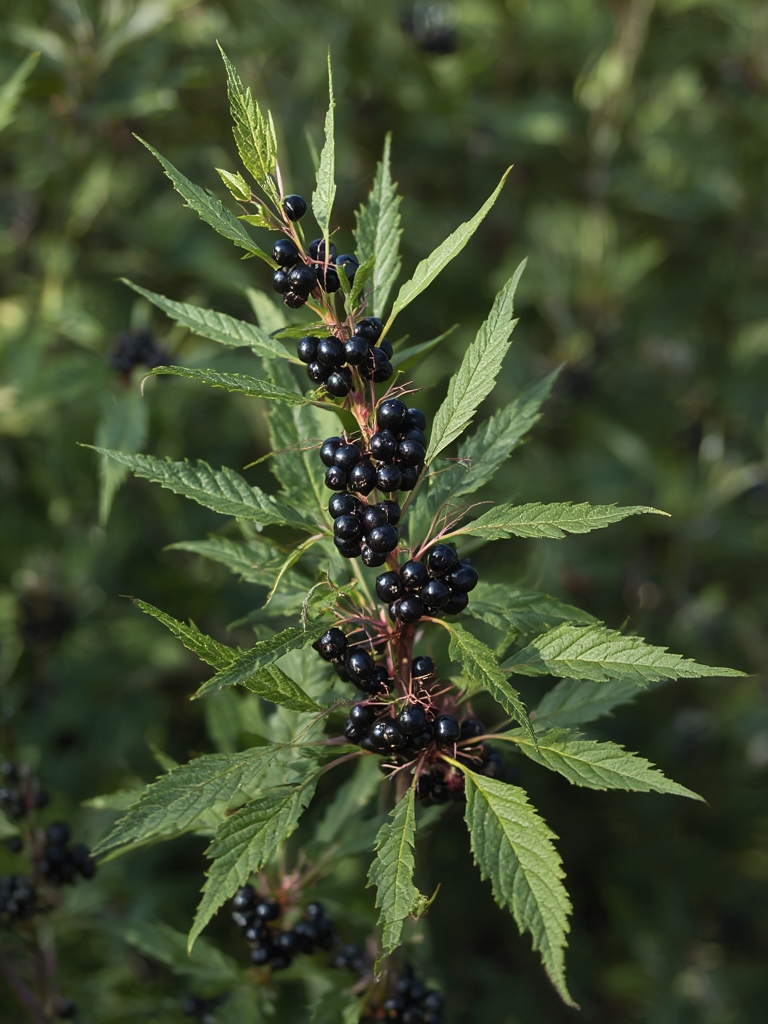

Have you ever walked through a farmers market and stopped at the sight of dark, glossy elderberries, only to experience sticker shock at their price? Growing elderberry in your own garden is not only cost-effective but incredibly rewarding. These versatile shrubs produce beautiful, fragrant flowers and nutrient-dense berries that can be transformed into syrups, jams, wines, and medicinal remedies. Elderberry plants are surprisingly easy to cultivate, even for beginning gardeners, and they add both ornamental value and food security to your landscape.
Table of Contents
Materials & Supplies
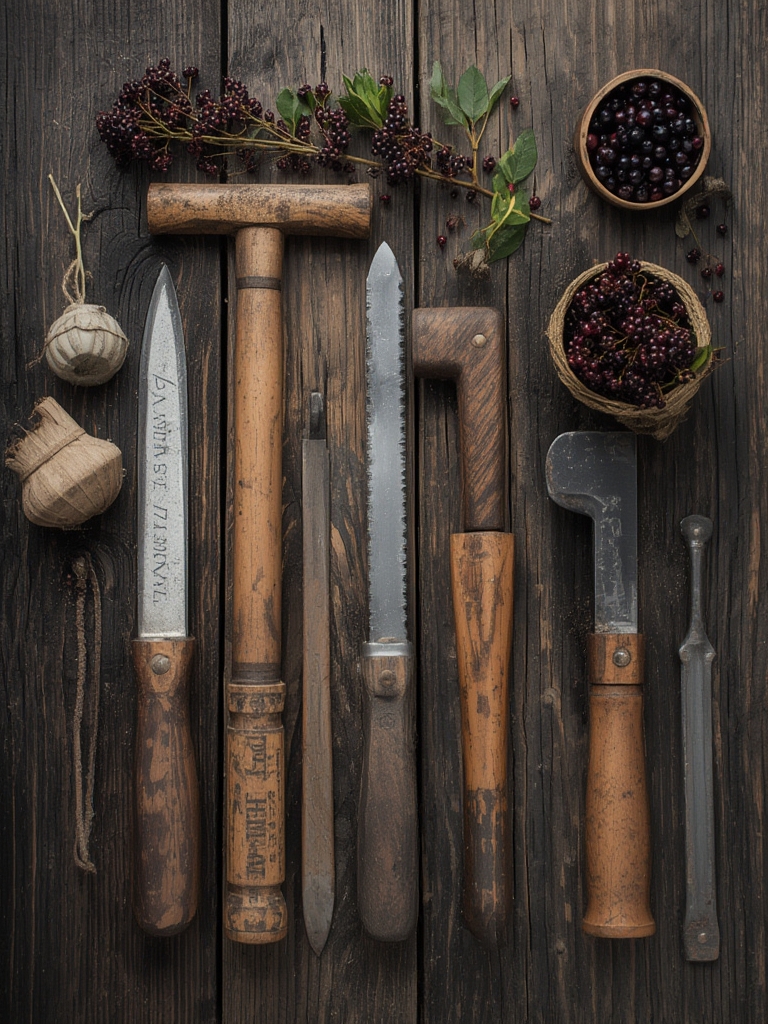
To successfully grow elderberries, you’ll need:
- Elderberry plants or cuttings: Purchase from a nursery or obtain cuttings from established plants (varieties like ‘Adams’, ‘York’, or ‘Nova’ are excellent choices)
- Shovel and garden fork: For preparing soil and planting
- Compost or aged manure: To amend soil and provide nutrients
- Mulch: Preferably organic materials like wood chips or straw
- Pruning shears: For annual maintenance and harvesting
- Watering equipment: Drip irrigation system or watering can
- pH testing kit: To ensure soil is slightly acidic (5.5-6.5 pH)
- Support stakes: Optional for young plants in windy areas
- Berry harvesting containers: Shallow buckets or baskets for collection
Timing / Growing Schedule
Elderberry planting is best done in early spring after the last frost has passed, though fall planting is possible in milder climates. Plants typically take 2-3 years to reach full production maturity. Once established, expect flowers in late spring to early summer, with berries ready for harvest in late summer to early fall (usually August-September). Plan for a 6-8 week berry production window, similar to blackberries but with a more concentrated harvest period.
Step-by-Step Instructions
Select the perfect location: Choose a spot with at least 6 hours of sunlight daily. Elderberries can tolerate partial shade but produce more fruit in full sun. Ensure good air circulation to prevent disease.
Prepare the soil: Elderberries prefer moist, well-drained soil rich in organic matter. Dig a hole twice as wide as the root ball and mix in compost or aged manure to improve soil structure.
Plant properly: Space plants 6-8 feet apart (they’ll grow 6-12 feet tall and wide). Plant at the same depth as they were in their nursery container, and water thoroughly after planting.
Mulch generously: Apply 2-3 inches of mulch around plants, keeping it a few inches away from stems to prevent rot. This conserves moisture and suppresses weeds.
Water consistently: Provide 1-2 inches of water weekly, especially during the first two years and during dry spells. Installing drip irrigation saves time and delivers water efficiently.
Fertilize appropriately: Apply a balanced organic fertilizer in early spring before new growth appears. A second light application after fruiting helps support healthy root development.
Prune annually: In late winter, remove dead, damaged, or crossing branches. After year three, remove one-third of the oldest stems to encourage new, productive growth.
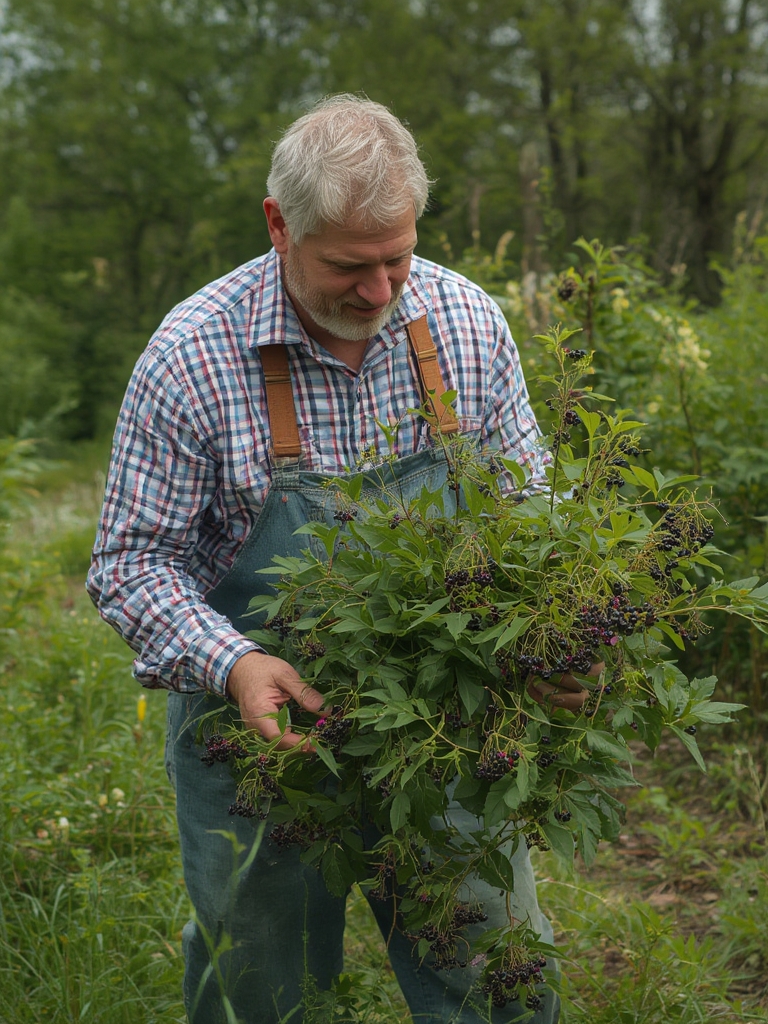
Harvest carefully: Collect entire umbels (clusters) when berries are uniformly dark purple-black. Use scissors to snip clusters rather than pulling berries individually.
Nutritional Benefits
Elderberries are nutritional powerhouses containing high levels of vitamin C, dietary fiber, and antioxidants. They’re particularly rich in anthocyanins, which may boost immune function and reduce inflammation. Growing your own ensures access to preservative-free berries harvested at peak ripeness, maximizing their nutritional potential.
Tips and Alternative Methods
Consider companion planting elderberries with nitrogen-fixing plants like beans or peas to improve soil fertility naturally. For container growing, select compact varieties like ‘Black Lace’ or ‘Black Beauty’ and use large pots (at least 20 gallons). In urban settings, elderberries make excellent privacy screens along property lines. For colder regions (zones 3-4), provide winter protection by adding extra mulch around the base.
Common Mistakes to Avoid
- Consuming raw berries: Never eat elderberries raw as they contain compounds that can cause nausea. Always cook them thoroughly.
- Harvesting too early: Unripe berries have a bitter taste and can cause digestive upset. Wait until berries are completely dark.
- Improper pruning: Avoiding pruning leads to decreased yields and increased disease risk. Remove at least 20% of older wood annually.
- Insufficient pollination: Plant at least two different elderberry varieties to ensure cross-pollination and maximum fruit production.
Storage / Maintenance Tips
Process elderberries within 12 hours of harvesting to maintain quality. Freeze whole clusters before removing berries from stems (much easier when frozen). For long-term storage, freeze processed berries in sealed containers for up to one year. During the growing season, inspect plants regularly for pests like aphids or elder shoot borers, treating promptly with organic controls if detected.
Conclusion
Growing elderberries offers a perfect combination of ornamental beauty and practical harvests. With minimal maintenance, these productive shrubs can provide years of abundant berries for your kitchen and wellness cabinet. Start with just two plants, and you’ll likely find yourself expanding your elderberry patch as you discover the joy and benefits of this versatile home-grown crop.
FAQs
How long before elderberry plants produce fruit?
Most elderberry plants begin producing small harvests in their second year, with full production typically starting in year three.
Can elderberries grow in shade?
They can tolerate partial shade but produce significantly more fruit when grown in full sun conditions.
Are elderberry plants invasive?
Native elderberry species aren’t typically invasive, but they can spread through suckers. Regular maintenance keeps them controlled.
How do I know when elderberries are ripe enough to harvest?
Elderberries are ready when the entire cluster is uniformly dark purple-black and slightly soft when gently squeezed.