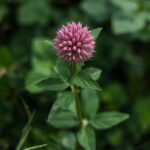


Are you looking for a perennial cover crop that can transform your soil health while requiring minimal maintenance? Kura clover might be exactly what your garden or farm needs. This remarkable legume, scientifically known as Trifolium ambiguum, offers exceptional soil-building benefits that can last for decades once established. Unlike many cover crops that need annual replanting, Kura clover creates a permanent living mulch system that continues to improve your soil year after year.
Table of Contents
Materials & Supplies

To successfully establish Kura clover, you’ll need:
- Kura clover seeds (inoculated with appropriate rhizobium bacteria)
- Seed drill or broadcast spreader (for larger areas)
- Garden rake (for smaller plantings)
- Soil testing kit (to check pH levels)
- Agricultural lime (if soil pH needs adjustment)
- Phosphorus fertilizer (if soil test indicates deficiency)
- Mower or scythe (for maintenance)
- Water source (for irrigation during establishment)
Optional but recommended:
- Nurse crop seeds (like oats or barley)
- Herbicide-resistant varieties (if weed pressure is high)
- Irrigation system (for dry areas)
Timing / Growing Schedule
Kura clover has a slow establishment period but extraordinary longevity. Initial preparation takes 1-2 weeks, establishment requires 1-2 years, and the reward is 20+ years of soil-building benefits. This timeline is significantly longer than annual clovers like crimson or red clover, which need replanting every year, but the long-term benefits far outweigh this initial patience.
Step-by-Step Instructions
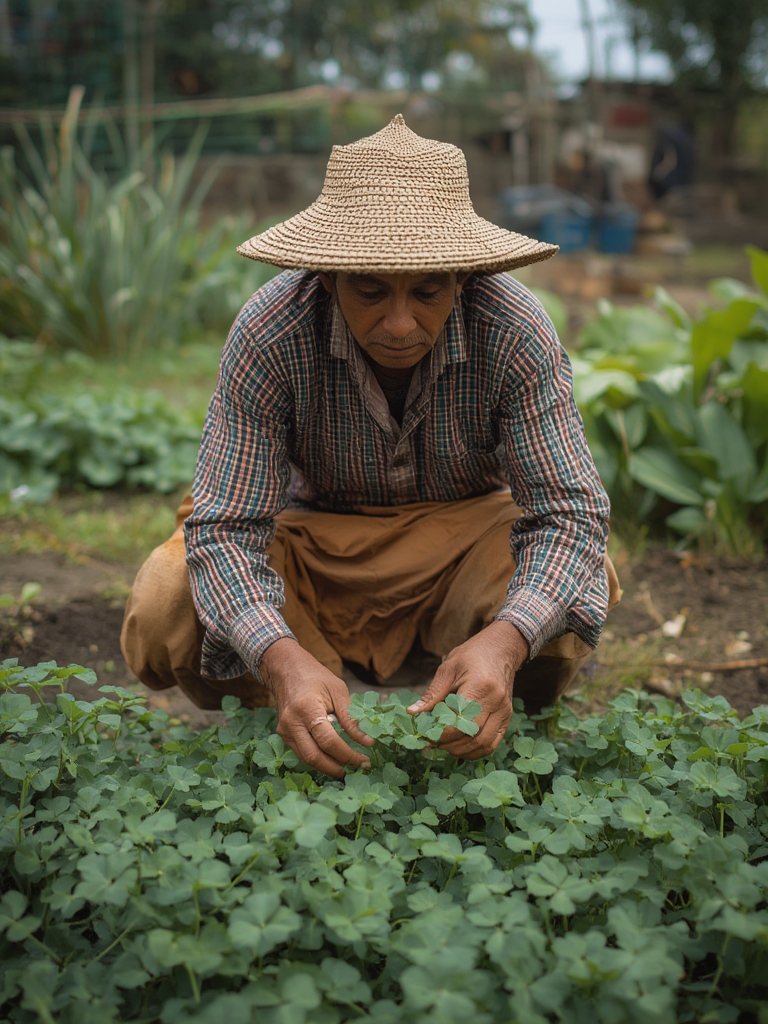
Test and prepare your soil – Kura clover thrives in soil with pH 5.5-7.0. Apply lime if needed and incorporate phosphorus fertilizer if soil tests indicate deficiency. Pro tip: Preparing beds in fall for spring planting allows amendments to integrate naturally.
Scarify and inoculate seeds – If not pre-treated, scarify seeds by lightly sanding them to improve germination. Ensure seeds are inoculated with the correct rhizobium strain for nitrogen fixation. Mixing seeds with a small amount of water and peat moss helps the inoculum adhere.
Plant at the right time – Sow in early spring once soil temperatures reach 50°F or in late summer/early fall at least 6 weeks before first frost. Plant seeds 1/4 inch deep at 10-15 lbs per acre.
Consider a nurse crop – Plant with a fast-growing annual grain like oats to suppress weeds during establishment. The nurse crop will die off, leaving space for the developing clover.
Maintain during establishment – Keep soil consistently moist but not waterlogged during the first growing season. Mow at 4-6 inch height when vegetation reaches 10-12 inches to reduce competition.
Advantages
Kura clover offers exceptional benefits:
- Fixes up to 200 lbs of nitrogen per acre annually
- Creates extensive rhizome networks that prevent erosion
- Withstands traffic and grazing better than other clovers
- Provides habitat for beneficial insects and pollinators
- Suppresses weeds naturally once established
- Improves water infiltration and soil structure
Tips and Alternative Methods
For smaller spaces, establish Kura clover in strips or patches rather than entire fields. In colder climates, plant rhizome cuttings instead of seeds for faster establishment. For organic systems, use intensive mowing during establishment rather than herbicides for weed control.
Consider intercropping with compatible species like orchardgrass or tall fescue for diverse pasture systems.
Common Mistakes to Avoid
- Inadequate weed control – Kura’s slow establishment makes it vulnerable to weed competition. Solution: Use pre-emergence weed management and regular mowing.
- Planting too deep – Seeds planted deeper than 1/2 inch may not emerge. Solution: Aim for 1/4 inch depth and ensure good seed-to-soil contact.
- Expecting quick results – Disappointment often comes from unrealistic timelines. Solution: Plan for 2-year establishment and remember the decades of benefits to come.
Maintenance Tips
Once established, Kura clover requires minimal care. Mow once or twice per year to prevent woody growth. No additional fertilization is typically needed as it fixes its own nitrogen. During extreme drought, irrigation helps maintain vigor, though established stands have impressive drought tolerance.
Conclusion
Kura clover represents a long-term investment in your soil health that few other plants can match. While it requires patience during establishment, the decades of soil improvement, nitrogen fixation, and erosion control make it worth the wait. Whether you’re a farmer looking for sustainable pasture or a gardener seeking permanent pathways between beds, this remarkable plant deserves consideration.
FAQs
Can Kura clover be grown in containers?
While possible, Kura clover’s extensive root system makes it better suited for in-ground planting where it has space to develop its rhizome network.
How does Kura clover compare to other clovers for soil improvement?
Kura clover has deeper roots and more extensive rhizomes than white, red, or crimson clovers, providing superior erosion control and greater longevity.
Will Kura clover become invasive?
Kura clover spreads primarily through rhizomes rather than seeds, making it controllable and non-invasive in most settings.
Can I grow vegetables in established Kura clover?
Yes! Many gardeners use Kura clover as living mulch between rows or as pathways in garden systems, suppressing weeds while building soil.