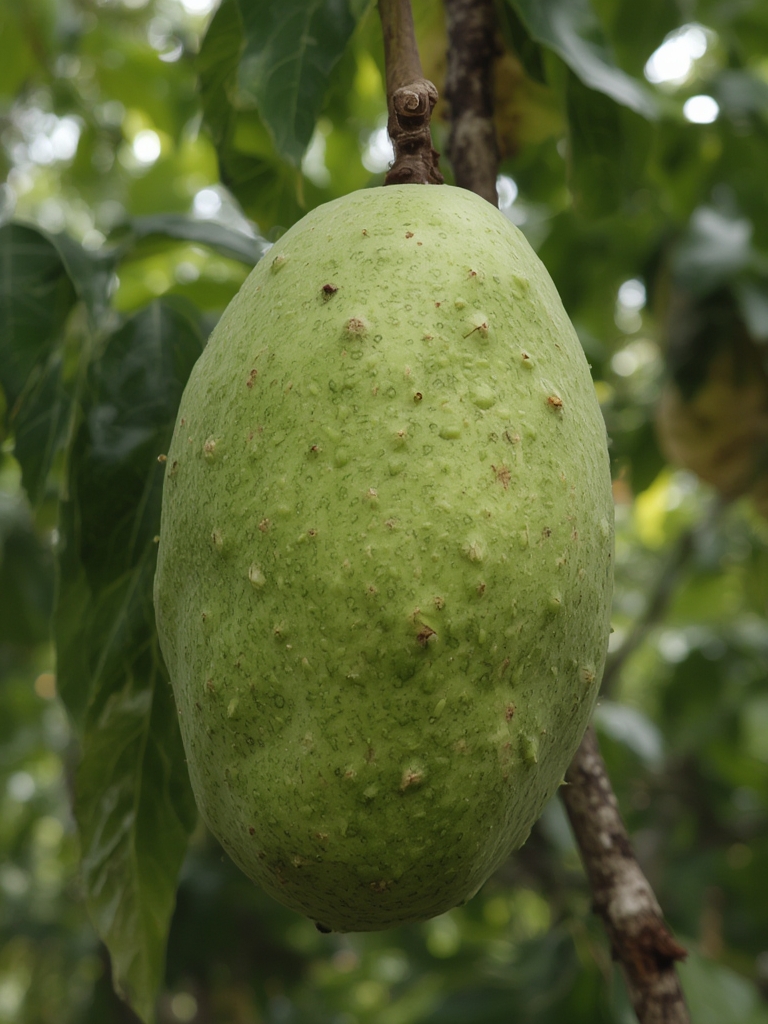

Have you ever tasted the tropical-like flavor of a pawpaw fruit, often called the “custard apple” or “poor man’s banana”? This native North American fruit tree remains one of gardening’s best-kept secrets, offering delicious fruits with a flavor combining banana, mango, and vanilla custard. Growing pawpaw trees (Asimina triloba) in your home garden not only provides unique fruits unavailable in most markets but also adds beautiful ornamental value with their tropical-looking foliage and purple spring flowers. Despite their exotic appearance, pawpaws are surprisingly hardy and can thrive in many North American gardens with minimal maintenance once established.
Table of Contents
Materials & Supplies
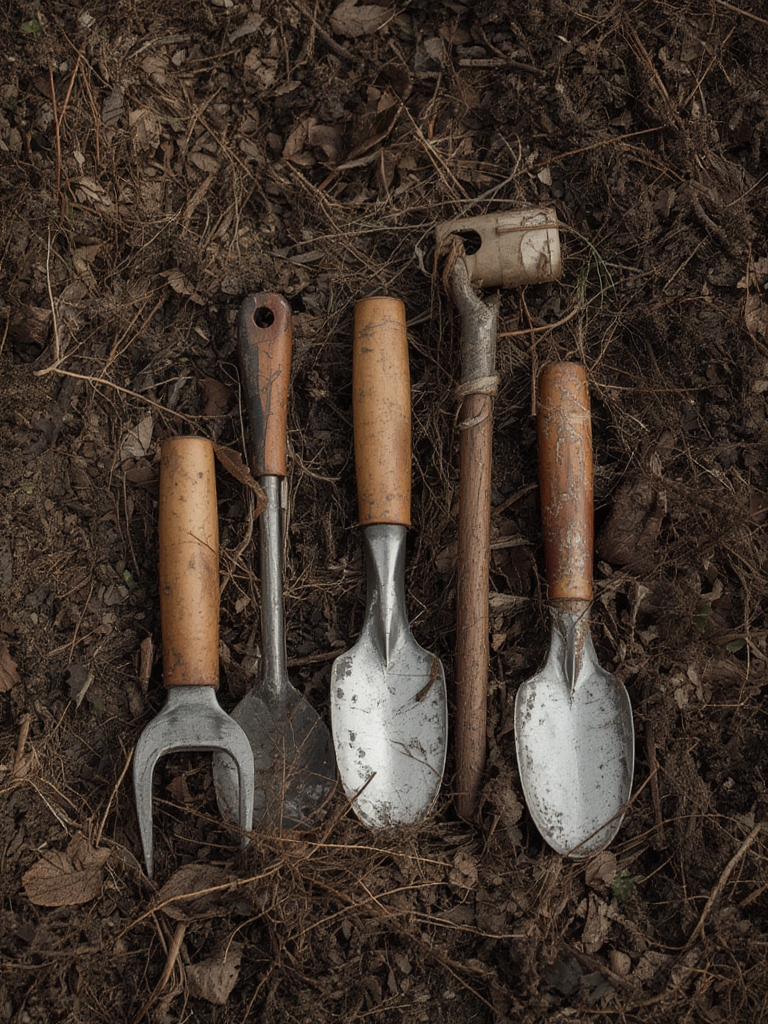
To successfully grow pawpaw trees, you’ll need:
- Pawpaw seeds or young saplings: Purchase from specialty nurseries or collect from fresh fruits
- Well-draining potting soil: Mix with perlite and compost (2:1:1 ratio)
- Planting containers: 1-gallon pots for starting seedlings
- Garden spade and trowel: For transplanting
- Organic mulch: Wood chips or straw work best
- Shade cloth or burlap: For protecting young trees
- Watering can or hose: With gentle spray attachment
- Organic fertilizer: Low in nitrogen, higher in phosphorus
- pH testing kit: Pawpaws prefer slightly acidic soil (5.5-7.0)
Optional supplies include root stimulator, deer repellent (if in a high-deer area), and a moisture meter for monitoring soil conditions.
Timing / Growing Schedule
Pawpaws require patience, but the reward is worth it. Starting from seed takes 5-7 years to fruit, while purchased saplings may produce in 3-5 years. Plant in early spring after the last frost. Seeds require 60-100 days of cold stratification before planting. Flowering occurs in early spring (March-April), with fruits ripening in late summer to early fall (August-September). This timeline is similar to peaches but with a longer juvenile period before fruiting.
Step-by-Step Instructions
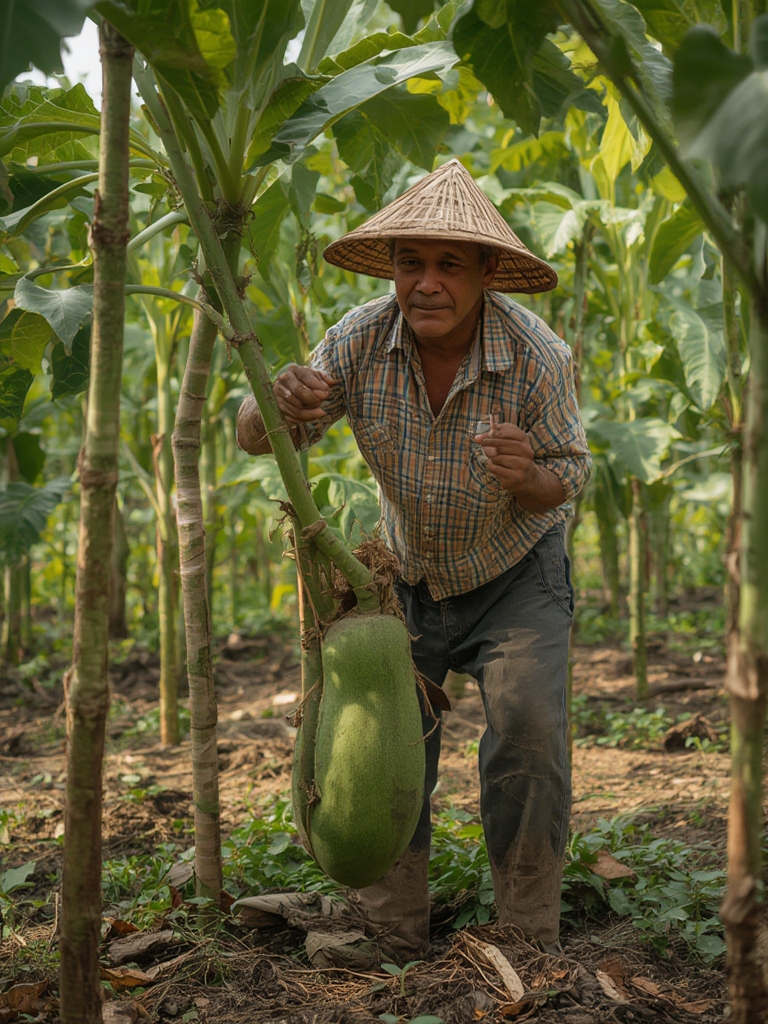
- Prepare seeds: If starting from seeds, clean them from fresh fruit and stratify in moist sand in the refrigerator for 60-100 days. For purchased saplings, skip to step 3.
- Start seedlings: Plant stratified seeds 1 inch deep in containers with well-draining soil. Keep soil consistently moist but not soggy. Seedlings may take 2-3 weeks to emerge.
- Provide proper growing conditions: Place seedlings in partial shade for the first year. Young pawpaws need protection from direct sun but require bright filtered light.
- Transplant to permanent location: After 1-2 years, select a location with morning sun and afternoon shade. Space trees 15-20 feet apart. Dig a hole twice as wide but the same depth as the root ball.
- Plant properly: Set the tree at the same depth it was growing previously. Backfill with native soil mixed with compost.
- Mulch thoroughly: Apply 2-4 inches of mulch in a 3-foot diameter around the tree, keeping it away from the trunk.
- Water regularly: Provide deep, consistent watering weekly during the first two growing seasons. Established trees need water mainly during drought.
- Provide cross-pollination: Plant at least two genetically different pawpaw trees for successful fruiting, as they require cross-pollination.
Nutritional Benefits
Pawpaw fruits are nutritional powerhouses, containing more protein than most fruits and significant amounts of vitamin C, magnesium, iron, copper, and manganese. They’re rich in antioxidants and contain all essential amino acids. The fruits offer more potassium than bananas and are a good source of dietary fiber. Growing your own ensures access to these nutritious fruits that are rarely found in commercial markets due to their short shelf life.
Tips and Alternative Methods
For small spaces, consider container gardening with dwarf pawpaw varieties in 25-30 gallon containers. In colder regions (zones 4-5), plant pawpaws near a south-facing wall for additional warmth. For faster fruiting, consider grafted trees rather than seedlings. In urban gardens, hand-pollinate flowers using a small paintbrush to transfer pollen between different trees, as the natural pollinators (flies and beetles) may be less common.
Common Mistakes to Avoid
- Too much sun for seedlings: Young pawpaws need shade protection for the first 1-2 years.
- Planting just one tree: Always plant at least two genetically different trees for pollination.
- Disturbing the taproot: Pawpaws develop a long taproot—transplant carefully and avoid root disturbance.
- Overwatering mature trees: Once established, pawpaws are drought-tolerant and prefer occasional deep watering.
- Impatience: Don’t give up if fruits don’t appear immediately—pawpaws need time to mature.
Storage / Maintenance Tips
Harvest pawpaw fruits when they yield slightly to pressure, similar to a ripe avocado. Ripe fruits can be stored in the refrigerator for 2-3 days or frozen as pulp for up to 6 months. For tree maintenance, apply a balanced organic fertilizer in early spring. Prune minimally, removing only dead or crossing branches in late winter. In fall, refresh the mulch layer to protect roots through winter. During extended droughts, provide deep watering every 2-3 weeks.
Conclusion
Growing pawpaw trees offers a unique opportunity to cultivate a delicious native fruit that connects us to both American heritage and sustainable gardening practices. While they require some patience, the remarkable tropical-like flavor and nutritional benefits make pawpaws worth the wait. Start with two trees, give them proper care during their establishment years, and you’ll enjoy these special fruits for decades. Have you grown pawpaws in your garden? Share your experience in the comments or explore our other native fruit gardening guides!
FAQs
How long do pawpaw trees live?
Pawpaw trees typically live 30-50 years when properly cared for, with some specimens living even longer in optimal conditions.
Can pawpaws grow in shade?
Young pawpaw trees require shade, but mature trees produce better fruit with at least 6 hours of sunlight daily, preferably morning sun and afternoon shade.
Why aren’t my pawpaw trees producing fruit?
Lack of fruiting is usually due to insufficient cross-pollination, immaturity (trees under 5 years old), or improper growing conditions. Try hand-pollinating between different genetic varieties.
Are pawpaw trees pest-resistant?
Yes, pawpaws have few serious pest problems. Deer rarely browse the leaves due to their natural compounds, and the trees have few disease issues, making them excellent for organic gardens.
Can pawpaws be grown in containers permanently?
While dwarf varieties can grow in large containers (25+ gallons), they’ll produce less fruit than ground-planted trees and require more frequent watering and fertilization to maintain health and productivity.