
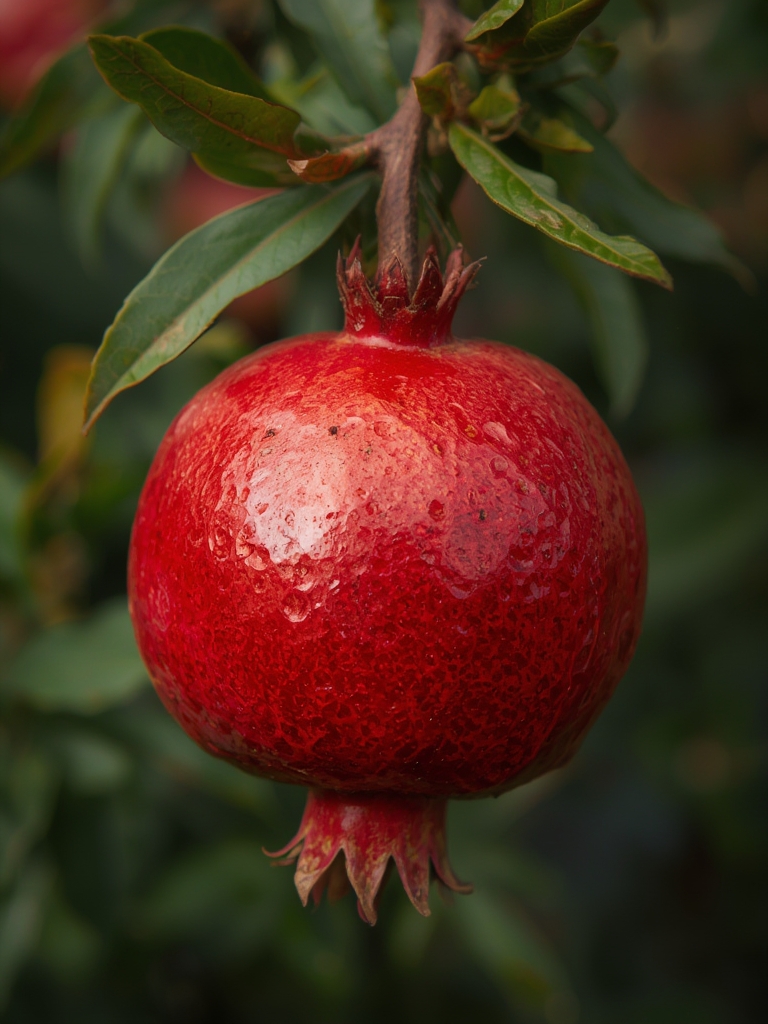

Have you ever bitten into the sweet-tart jewels of a fresh pomegranate and wondered if you could grow this ancient fruit in your own backyard? Growing pomegranate trees at home not only provides you with nutritious fruit but also adds ornamental beauty to your landscape. These resilient trees, with their bright orange-red blossoms and unique fruit, can thrive in various climates and require relatively little maintenance compared to other fruit trees. Whether you have a spacious garden or just a sunny patio, pomegranates might be the perfect addition to your home garden.
Table of Contents
Materials & Supplies
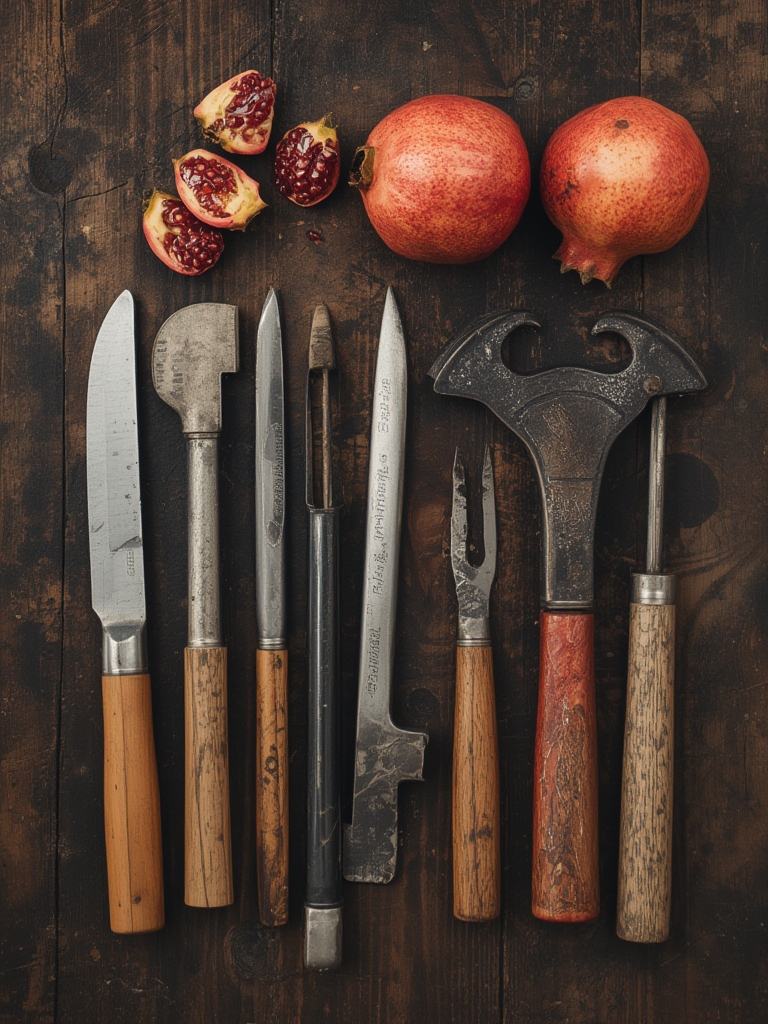
To successfully grow pomegranate trees, you’ll need:
- Pomegranate saplings or cuttings: Purchase from a reputable nursery or take cuttings from established trees
- Garden soil: Well-draining soil with pH 5.5-7.0
- Compost or organic matter: To enrich the soil
- Watering can or irrigation system: For consistent watering
- Pruning shears: Clean and sharp for proper pruning
- Mulch: Organic mulch like wood chips or straw
- Fertilizer: Balanced NPK (10-10-10) or specialty fruit tree fertilizer
- Large containers (optional): 15-20 gallon size with drainage holes for container growing
- Stakes or tree supports (optional): For young trees in windy areas
Timing / Growing Schedule
Pomegranate trees have a distinct growing timeline:
- Planting time: Early spring after frost danger passes
- Establishment period: 1-2 years before substantial fruiting
- Flowering: 3-4 months after spring growth begins
- Fruit development: 5-7 months from flowering
- Harvest season: Typically fall (September to November)
A pomegranate tree takes about 3-5 years to reach full production, producing 20-25 pounds of fruit annually once established. Compared to apples (4-5 years) and citrus (3 years), pomegranates offer a relatively quick return on your gardening investment.
Step-by-Step Instructions
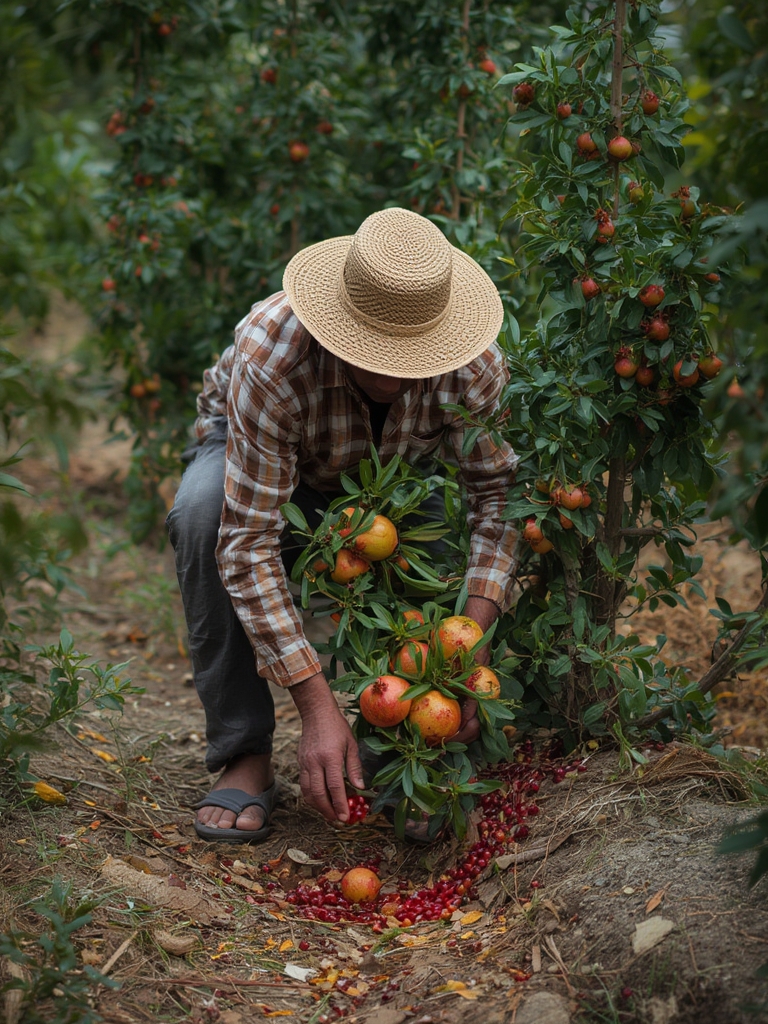
Select the right location: Choose a spot with full sun (6+ hours daily) and protection from strong winds. Space trees 15-20 feet apart if planting multiple specimens.
- Pro tip: Southern-facing exposure maximizes sunlight in northern climates.
Prepare the soil: Dig a hole twice as wide and as deep as the root ball. Mix native soil with compost at a 1:1 ratio.
- Pro tip: Add a handful of bone meal to the bottom of the hole to promote root development.
Plant your pomegranate: Place the sapling at the same depth it was growing in its nursery container. Backfill with soil mixture and tamp gently.
- Pro tip: Create a slight basin around the trunk to collect water.
Water thoroughly: After planting, water deeply and maintain consistent moisture for the first year.
- Pro tip: Use a soaker hose to deliver slow, deep watering directly to roots.
Apply mulch: Spread 2-3 inches of organic mulch around the tree, keeping it a few inches away from the trunk.
- Pro tip: Refresh mulch annually in spring to suppress weeds and retain moisture.
Nutritional Benefits
Pomegranates are nutritional powerhouses, containing:
- High levels of antioxidants (three times more than green tea)
- Excellent source of vitamin C (40% of daily needs per fruit)
- Good source of fiber (7 grams per fruit)
- Contains vitamin K, potassium, and folate
- Home-grown fruits often contain higher nutrient levels than store-bought varieties due to proper ripening
Tips and Alternative Methods
- Container growing: Choose dwarf varieties like ‘Nana’ in 15-20 gallon pots with caster wheels for mobility.
- Indoor cultivation: Maintain pomegranates as decorative houseplants in sunny south-facing windows.
- Espalier method: Train pomegranates against walls to save space and create ornamental displays.
- Desert growing: Pomegranates thrive in hot, arid environments with supplemental deep watering.
- Cold climate tricks: In zones 6 and below, grow in containers and move to protected areas during winter.
Common Mistakes to Avoid
Overwatering established trees: Reduce watering once established; pomegranates are drought-tolerant.
Solution: Water deeply but infrequently, allowing soil to dry between waterings.Excessive pruning: Heavy pruning reduces fruiting.
Solution: Limit pruning to removing suckers, dead branches, and crossing limbs.Harvesting too early: Premature picking results in sour fruit.
Solution: Wait until fruits develop deep color and make a metallic sound when tapped.Inadequate pollination: Sparse flowering leads to poor fruit set.
Solution: Plant multiple trees or hand-pollinate using a small paintbrush.
Storage / Maintenance Tips
- Pruning: Light annual pruning in late winter to maintain shape and remove dead wood.
- Fertilization: Apply balanced fertilizer in spring and mid-summer.
- Fruit storage: Whole pomegranates store for 2-3 months in the refrigerator or 6-7 months at 32°F with 90% humidity.
- Seed storage: Arils (seed pods) can be frozen for up to a year in airtight containers.
- Winter care: Wrap young trees with burlap in colder regions or bring potted specimens indoors.
Conclusion
Growing pomegranate trees offers tremendous rewards for relatively minimal effort. These resilient plants provide beautiful ornamental value, nutritious fruit, and can thrive in diverse growing conditions. By following these guidelines and being patient through the establishment period, you’ll enjoy bountiful harvests for many years to come. Start your pomegranate growing journey today, and don’t forget to share your successes and challenges in the comments below!
FAQs
How long until my pomegranate tree bears fruit?
Most trees begin producing fruit in their second or third year, with full production reached by year five.
Can pomegranates grow in cold climates?
Most varieties are hardy in USDA zones 7-10, but some cold-hardy cultivars like ‘Russian Red’ can survive in zone 6 with protection.
Why are my pomegranate fruits splitting?
Fruit splitting typically occurs from inconsistent watering, especially during fruit development. Maintain even soil moisture to prevent this issue.
How can I tell when pomegranates are ready to harvest?
Ripe pomegranates have deep red or burgundy skin, make a metallic sound when tapped, and have a slightly squared shape rather than perfectly round.
Do pomegranate trees need cross-pollination?
Pomegranates are self-fertile, meaning a single tree can produce fruit. However, planting multiple varieties can increase yield and fruit quality.