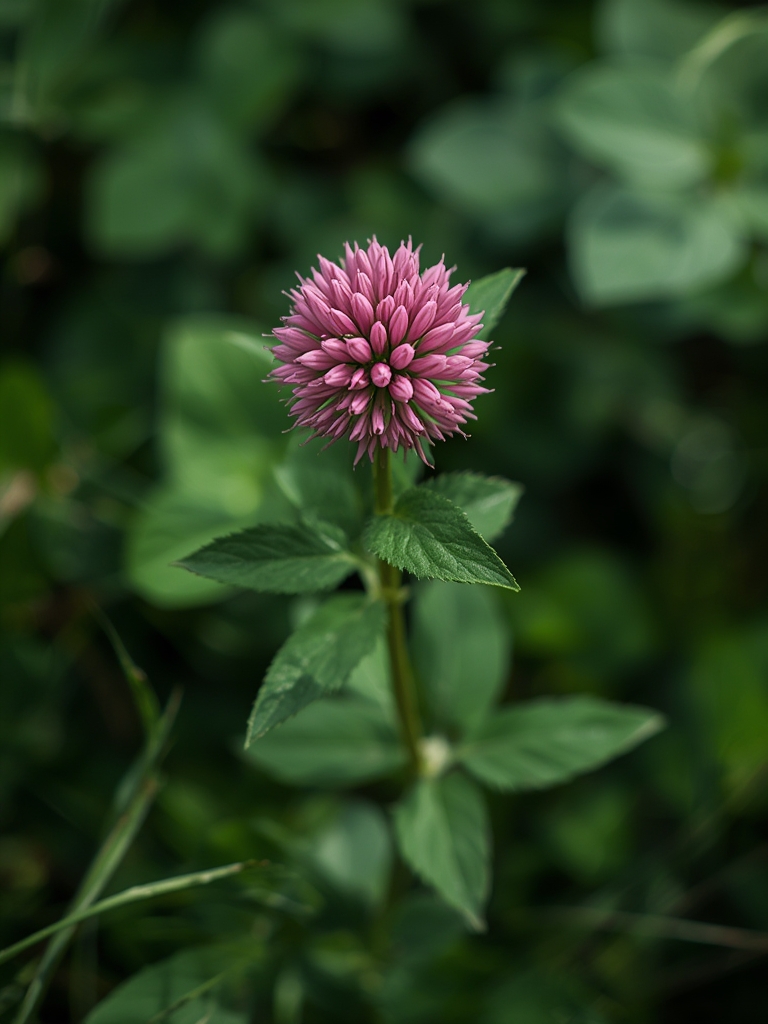

Have you ever wondered how professional gardeners maintain rich, fertile soil without relying on chemical fertilizers? Red clover might be the answer you’ve been seeking. This versatile, nitrogen-fixing legume serves as a powerful cover crop that can transform depleted soil into a thriving ecosystem for your garden plants. Growing red clover at home isn’t just economical—it’s an environmentally friendly approach to sustainable gardening that improves soil structure, prevents erosion, and supports beneficial insects like bees and butterflies.
Table of Contents
Materials & Supplies
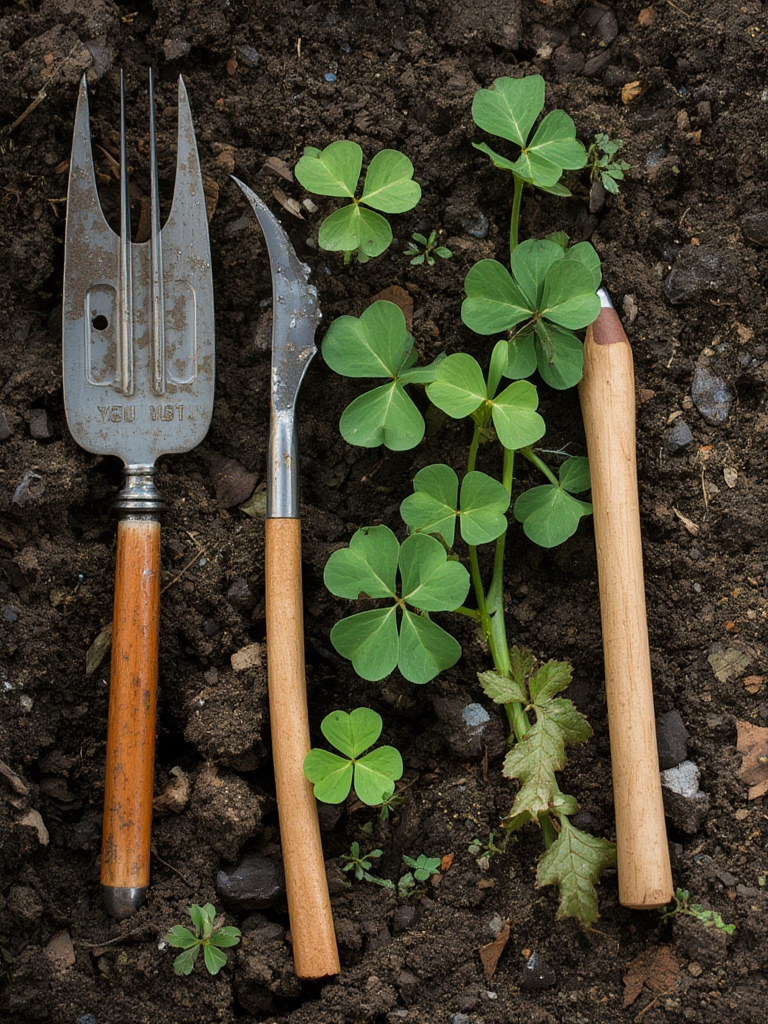
To successfully grow red clover in your garden, you’ll need:
- Red clover seeds (Trifolium pratense) – Look for untreated, organic varieties
- Garden rake or tillers – For preparing soil surface
- Compost or aged manure – To enrich poor soils (optional)
- pH testing kit – Red clover prefers slightly acidic to neutral soil
- Broadcast spreader – For even seed distribution in larger areas
- Garden roller – To ensure good seed-to-soil contact
- Watering can or irrigation system – For consistent moisture during germination
- Mower or scythe – For cutting clover when used as green manure
Timing / Growing Schedule
Red clover grows best when planted in early spring (March-April) or late summer to early fall (August-September). Expect germination within 7-14 days in ideal conditions. As a cover crop, red clover reaches maturity in approximately 60-70 days, though many gardeners allow it to grow for 3-4 months before turning it into the soil. When grown as a green manure, incorporate it about 2-3 weeks before planting your main crops to allow decomposition time.
Step-by-Step Instructions

Test and prepare your soil: Red clover thrives in soil with pH between 6.0-7.0. Remove existing weeds and break up compacted soil. For best results, incorporate a thin layer of compost if your soil is particularly poor.
Seed preparation: Inoculate seeds with rhizobium bacteria if they aren’t pre-inoculated. This enhances nitrogen-fixing capabilities. Mix seeds with sand for more even distribution when broadcasting.
Sowing the seeds: Broadcast seeds at a rate of about 1/4 pound per 1,000 square feet. Aim for even coverage rather than dense patches.
Incorporate seeds lightly: Rake the area gently to cover seeds with approximately 1/4 inch of soil. Using a lawn roller afterward improves germination rates by creating good seed-to-soil contact.
Water thoroughly: Keep soil consistently moist (not soggy) until germination occurs. Once established, red clover is relatively drought-tolerant.
Maintenance: Mow occasionally to a height of 4-6 inches if using as a living mulch. This prevents flowering and encourages dense, lateral growth.
Incorporation: When ready to use as green manure, cut down the clover and either till it into the soil or leave it on the surface as mulch, allowing two weeks before planting your main crops.
Nutritional Benefits / Advantages
Red clover acts as a natural fertilizer factory, fixing atmospheric nitrogen and making it available to neighboring plants. A mature stand can add 100-150 pounds of nitrogen per acre to your soil annually. Beyond nitrogen, red clover improves soil structure, increases organic matter, enhances water retention, and suppresses weeds. Its deep roots break up compacted soil layers and draw up nutrients from deep in the soil profile, making them available to future crops.
Tips, Alternative Methods, or Gardening Advice
For small gardens, try interplanting red clover between rows of vegetables as living mulch. In containers, mix red clover seeds with slow-growing vegetables to maximize space usage while improving the potting medium. In warmer regions, use red clover as a winter cover crop to protect bare soil. For perennial beds, establish red clover pathways that can be mowed regularly, providing both attractive green spaces and soil benefits.
Common Mistakes to Avoid
- Planting too deeply: Seeds should be barely covered (1/4 inch maximum) to ensure proper germination.
- Insufficient water during establishment: Irregular watering leads to patchy growth.
- Letting clover fully mature before incorporation: Once flowering occurs, stems become woodier and decompose more slowly.
- Forgetting to inoculate: Without proper bacteria, red clover cannot fix nitrogen effectively.
- Immediate planting after incorporation: Not allowing sufficient decomposition time can result in nitrogen competition.
Storage / Maintenance Tips
For green manure purposes, cut red clover before it flowers for fastest decomposition. If harvesting for seed saving, wait until seed heads turn brown, then dry thoroughly before storing in airtight containers. When used as a permanent cover, mow regularly to maintain vigor and prevent self-seeding. Water during extended dry periods to maintain growth. Reapply rhizobium inoculant if replanting in the same area after several years.
Conclusion
Red clover represents an accessible, economical way to naturally improve your garden soil while supporting biodiversity. By incorporating this powerful cover crop into your gardening routine, you’ll reduce dependence on synthetic fertilizers while building long-term soil health. Whether you’re an organic gardener looking to close the nutrient loop or simply want healthier plants with less work, red clover deserves a place in your sustainable gardening toolkit. Why not set aside a section of your garden this season to experience the soil-building benefits firsthand?
FAQs
Can red clover be grown with other cover crops?
Yes, red clover pairs well with oats, rye, or vetch for complementary benefits. These combinations provide diverse root structures and nutrient profiles.
How do I know when to incorporate red clover into the soil?
The ideal time is just before or at early flowering stage when the plants have maximum biomass but haven’t become too fibrous.
Will red clover become invasive in my garden?
Unlike white clover, red clover is typically biennial and less aggressive. Proper management through mowing or incorporation prevents unwanted spread.
Can I use red clover in raised beds?
Absolutely! Red clover works excellently in raised beds as either a short-term cover between plantings or as living mulch around taller vegetables.
Does red clover attract beneficial insects?
Yes, red clover flowers are excellent nectar sources for pollinators including honeybees, bumblebees, and beneficial predatory insects that help control garden pests.