
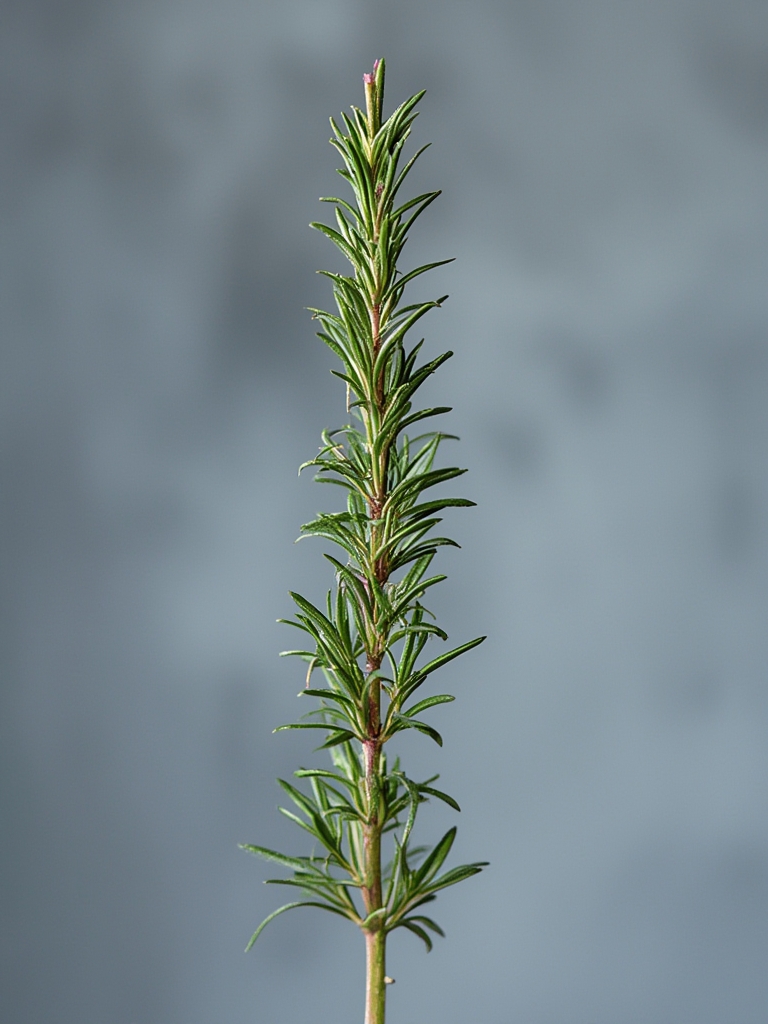

Are you looking to add an aromatic, versatile herb to your garden that’s both beautiful and practical? Rosemary might be the perfect choice for you. This Mediterranean native not only enhances countless dishes with its pine-like fragrance but also attracts pollinators and adds year-round structure to gardens. Growing rosemary at home ensures you’ll have fresh sprigs whenever culinary inspiration strikes, plus you’ll enjoy its lovely blue flowers and the satisfaction of nurturing this historic herb. Let’s explore how to successfully grow rosemary for a thriving, fragrant addition to your garden space.
Table of Contents
Materials & Supplies
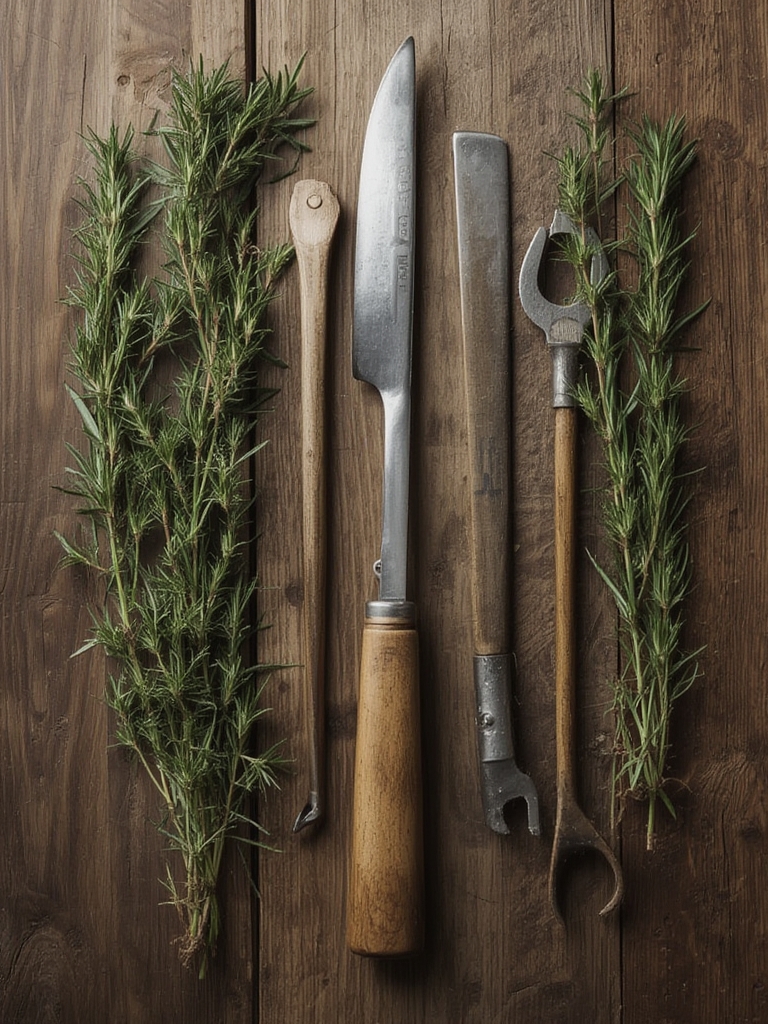
To start your rosemary growing journey, gather these essentials:
- Rosemary plants or cuttings: Starting with small established plants is easier than seeds, which germinate slowly and inconsistently
- Well-draining potting mix: Combine regular potting soil with coarse sand or perlite (ratio 2:1)
- Container with drainage holes: Terra cotta pots work exceptionally well as they allow soil to dry between waterings
- Pruning shears: Clean, sharp scissors or garden snips for harvesting
- Watering can: Preferably with a narrow spout for controlled watering
- Organic fertilizer: Low-nitrogen, slow-release option (optional)
- Pea gravel or small stones: For drainage layer and top dressing
- pH testing kit: Rosemary prefers slightly alkaline soil (pH 6.0-7.5)
Timing / Growing Schedule
Rosemary is best planted in spring after the last frost date when soil temperatures reach at least 70°F. Unlike fast-growing herbs like basil, rosemary is a slow-growing perennial that takes patience. Expect modest growth in the first year with plants reaching maturity in 2-3 years. In suitable climates (USDA zones 7-10), rosemary will live for 10-15 years or more. Plan to harvest small amounts after 3 months, with full harvests possible after 6-12 months of growth.
Step-by-Step Instructions
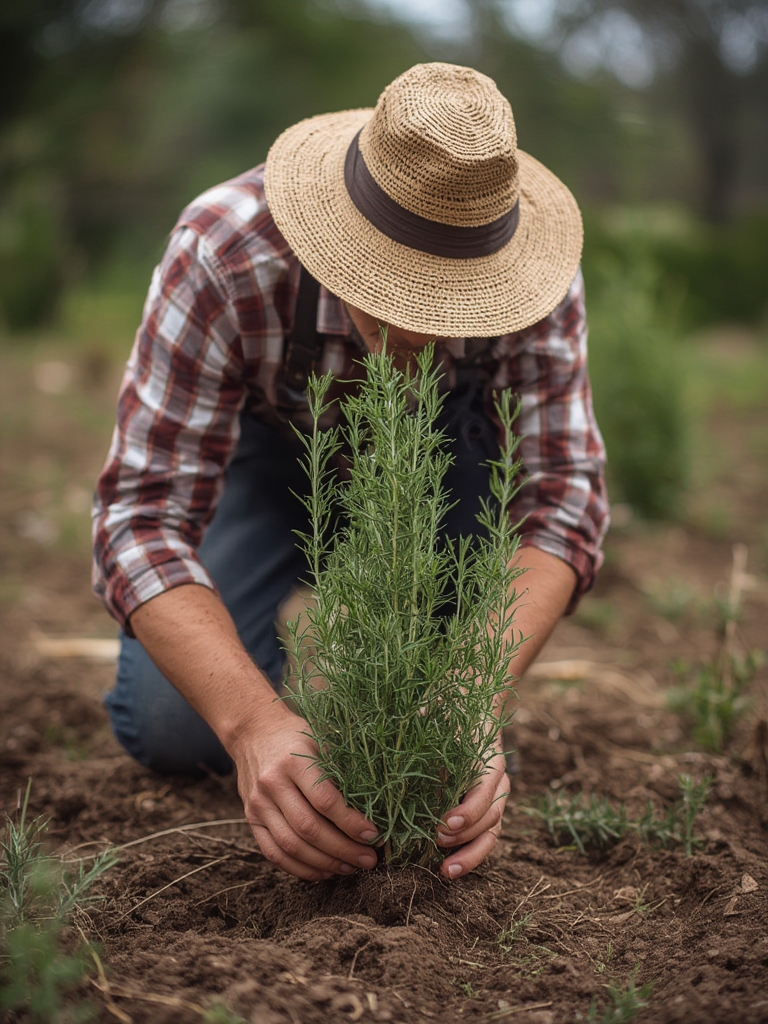
Select the right location: Choose a spot with 6-8 hours of direct sunlight daily. Southern exposure is ideal in northern climates.
Pro tip: Place your rosemary near a wall or large rocks that release heat at night to create a microclimate.Prepare the soil: Mix regular garden soil with coarse sand for excellent drainage. For containers, add a 1-inch layer of gravel at the bottom before filling with potting mix.
Pro tip: Add crushed eggshells to the soil for calcium and to increase alkalinity.Plant properly: Dig a hole twice as wide as the root ball but at the same depth. Gently tease out circling roots before placing the plant.
Pro tip: Plant rosemary slightly higher than the surrounding soil to prevent crown rot.Water correctly: Water deeply but infrequently, allowing the soil to dry out between waterings. Reduce watering in winter.
Pro tip: Test soil moisture by inserting your finger 1-2 inches deep; if it feels dry, it’s time to water.Mulch thoughtfully: Use inorganic mulch like pea gravel or small stones rather than organic materials that retain moisture.
Pro tip: Leave a small mulch-free area around the base of the stem to prevent rot.
Nutritional Benefits / Advantages
Rosemary is packed with antioxidants and anti-inflammatory compounds. It contains carnosic acid, which may protect brain health, and rosmarinic acid with potential immune-boosting properties. The herb is rich in vitamin A, vitamin C, folate, calcium, and iron. Beyond nutrition, growing rosemary saves money, reduces plastic packaging waste, and its strong scent naturally deters many garden pests like cabbage moths and carrot flies.
Tips, Alternative Methods, or Gardening Advice
Container growing works excellently for rosemary, especially in colder climates where you can bring plants indoors during winter. Choose a pot at least 12 inches deep with excellent drainage. For indoor growing, supplement with grow lights during winter and increase humidity by placing the container on a pebble tray with water. In extremely hot climates, provide afternoon shade to prevent leaf scorch. Try companion planting rosemary with sage, thyme, and lavender for a beautiful, drought-tolerant herb garden.
Common Mistakes to Avoid
- Overwatering: More rosemary plants die from excess moisture than drought. Solution: Wait until soil is completely dry before watering again.
- Using heavy soil: Rosemary hates wet feet. Solution: Add coarse sand or perlite to improve drainage.
- Insufficient sunlight: Results in leggy, weak growth. Solution: Ensure at least 6 hours of direct sun daily.
- Overfertilizing: Creates excessive soft growth susceptible to frost damage. Solution: Fertilize lightly once in spring with slow-release organic fertilizer.
- Improper pruning: Cutting into woody stems that won’t regenerate. Solution: Prune regularly but never remove more than one-third of the plant at once.
Storage / Maintenance Tips
Maintain rosemary with light pruning throughout the growing season to encourage bushier growth. Fertilize sparingly in spring with a balanced organic fertilizer. In zones 6 and below, either bring potted plants indoors near a sunny window for winter or provide heavy mulch and wind protection for garden plants.
For storage, dry rosemary by hanging small bundles in a warm, well-ventilated area for 1-2 weeks. Store dried leaves in airtight containers away from light and heat for up to a year. Alternatively, freeze fresh sprigs in ice cube trays with olive oil for convenient cooking portions.
Conclusion
Growing rosemary rewards gardeners with a beautiful, aromatic plant that enhances both your landscape and your cooking. Its low-maintenance nature makes it perfect for beginners and busy gardeners alike. By providing the right conditions—plenty of sunlight, well-draining soil, and restrained watering—you’ll enjoy this versatile herb for years to come. Ready to add this Mediterranean classic to your garden? Start with a small plant and watch it become a staple in both your garden and kitchen.
FAQs
How often should I water my rosemary plant?
Water only when the soil feels completely dry about 1-2 inches below the surface. This typically means once every 1-2 weeks outdoors, depending on climate and rainfall.
Can rosemary survive winter outdoors?
Rosemary is winter-hardy in USDA zones 7-10. In colder zones, bring potted plants indoors or provide heavy protection with mulch, burlap wrapping, and windbreaks.
Why is my rosemary turning yellow or brown?
Yellowing often indicates overwatering or poor drainage. Brown tips typically signal drought stress or excessively dry indoor air. Adjust watering and humidity accordingly.
How do I propagate rosemary?
Take 4-6 inch cuttings from new, green growth. Remove leaves from the bottom half, dip in rooting hormone, and plant in a mix of perlite and peat. Keep slightly moist until roots develop in 4-8 weeks.
Can rosemary be grown indoors year-round?
Yes, with bright direct sunlight (south-facing window) or grow lights, good air circulation, and careful watering. Indoor plants benefit from occasional misting and summer vacations outdoors.