
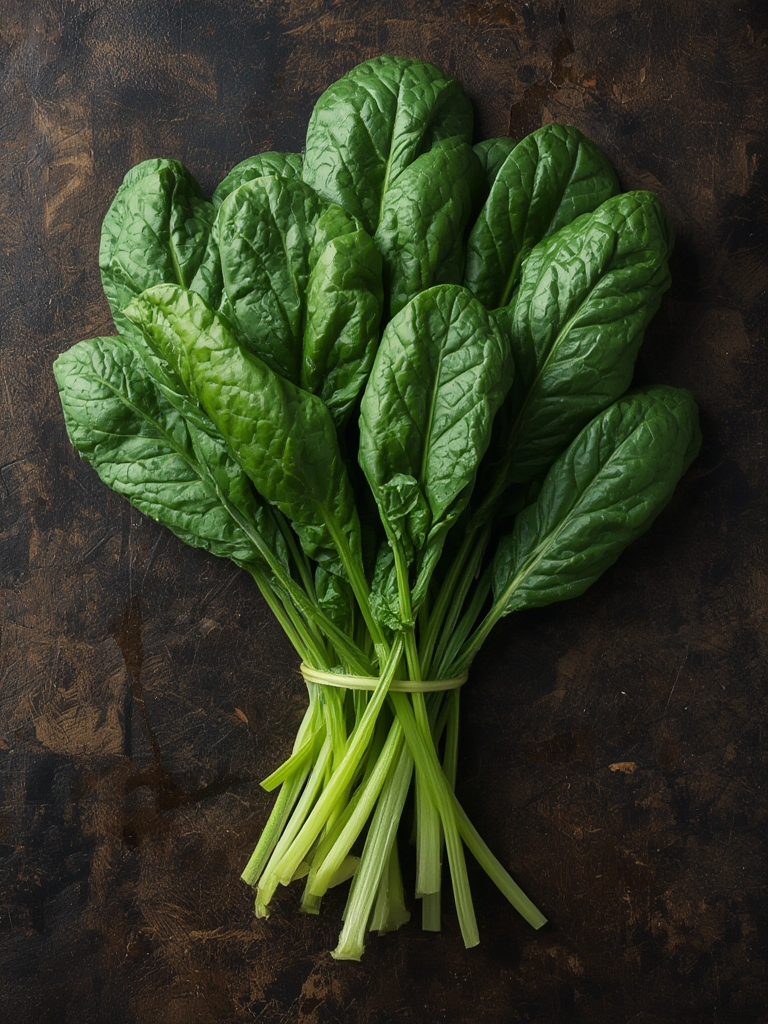

Ever wondered how to enjoy fresh, nutrient-packed spinach leaves without frequent trips to the grocery store? Growing spinach at home is not only rewarding but also surprisingly accessible, even for beginners. This versatile leafy green can thrive in various conditions, making it possible to cultivate spinach year-round regardless of your local climate. With the right approach, you can harvest crisp, flavorful spinach leaves from your own garden or indoor space, saving money while ensuring a constant supply of this nutritional powerhouse.
Table of Contents
Materials & Supplies
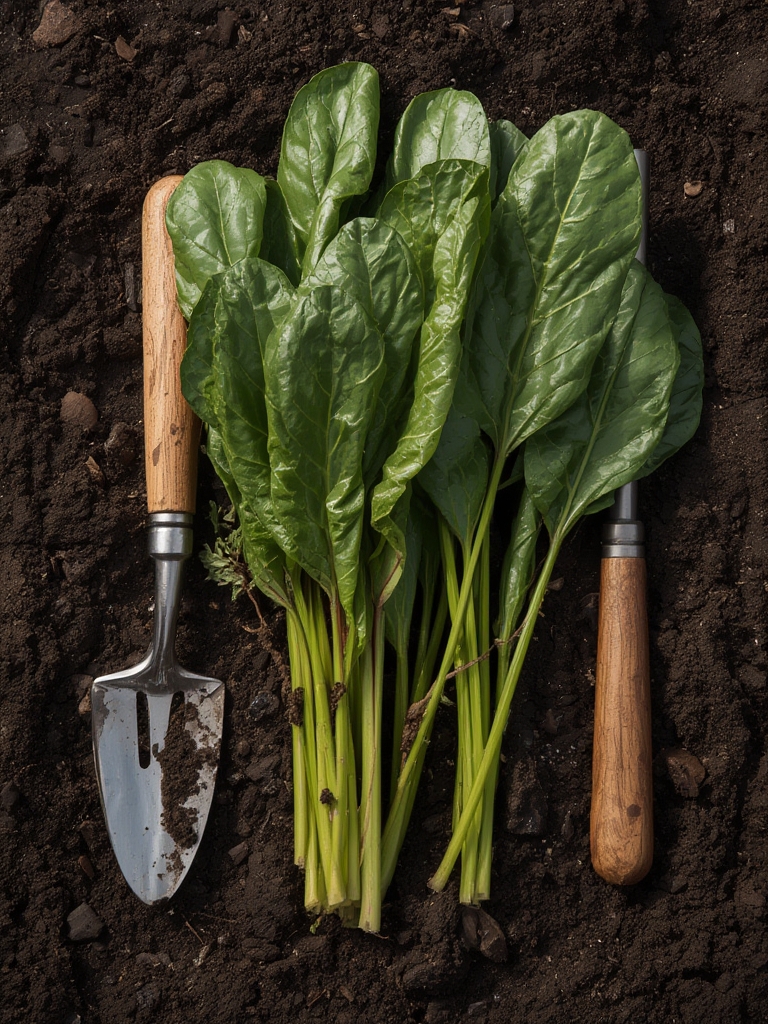
To start your spinach-growing journey, gather these essential items:
- Seeds: Choose between varieties like Bloomsdale (cold-tolerant), Space (heat-resistant), or New Zealand spinach (for summer growing)
- Growing containers: 6-8 inch deep pots with drainage holes or raised garden beds
- Soil: Well-draining potting mix or garden soil amended with compost
- Fertilizer: Balanced organic fertilizer or compost tea
- Watering can: With fine spray nozzle to avoid disrupting seeds
- Row covers or shade cloth: For temperature regulation
- pH testing kit: Spinach prefers slightly alkaline soil (pH 6.5-7.5)
- Optional: Grow lights for indoor cultivation, liquid seaweed fertilizer for micronutrients
Timing / Growing Schedule
Spinach is primarily a cool-season crop that can be grown almost year-round with proper planning. Seed-to-harvest typically takes 40-45 days for baby spinach and 50-60 days for mature leaves. For spring planting, sow seeds 4-6 weeks before the last frost date. Fall crops can be planted 6-8 weeks before the first expected frost. With indoor growing or in mild climates, successive plantings every 2-3 weeks ensure continuous harvests. Compared to other leafy greens like lettuce, spinach generally grows more slowly but offers greater cold tolerance.
Step-by-Step Instructions
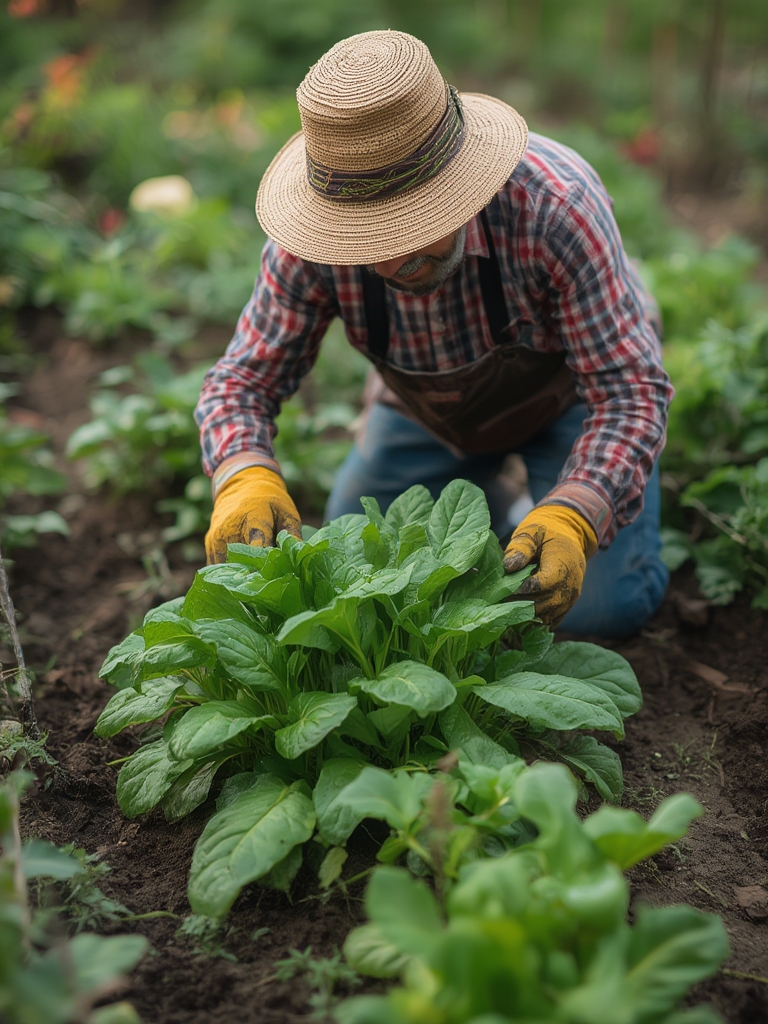
Prepare your growing area: If planting outdoors, choose a location receiving partial shade, especially in warmer climates. For containers, ensure they have drainage holes.
Soil preparation: Mix compost into your soil to improve drainage and fertility. Aim for a slightly alkaline pH between 6.5-7.5. Pro tip: Add a tablespoon of wood ash per square foot to raise soil pH naturally.
Seed sowing: Plant seeds ½ inch deep and 2 inches apart. For continuous harvest, sow small batches every 2-3 weeks. Mist the soil gently rather than flooding it after planting.
Watering routine: Keep soil consistently moist but never soggy. Water at the base to prevent leaf diseases. A soil moisture meter can help beginners avoid overwatering.
Thinning seedlings: When plants reach 2 inches tall, thin to 4-6 inches apart. Don’t discard the thinnings – add these baby leaves to salads!
Temperature management: Use row covers when temperatures drop below 35°F or exceed 75°F. For indoor growing, maintain temperatures between 60-70°F for optimal growth.
Nutritional Benefits
Homegrown spinach offers exceptional nutritional value, containing more vitamin C, iron, and folate than store-bought varieties that lose nutrients during transportation and storage. Just one cup provides over 50% of your daily vitamin A requirements. Growing spinach organically means you’ll avoid pesticides while enjoying leaves with higher antioxidant content. Additionally, home cultivation reduces packaging waste and carbon emissions associated with commercial production.
Tips, Alternative Methods, or Gardening Advice
For year-round production, consider these approaches:
- Indoor container growing: Under grow lights, spinach thrives on windowsills or in hydroponic systems
- Cold frames or tunnels: Extend outdoor growing seasons by 4-6 weeks
- Heat-resistant varieties: Choose ‘Space’, ‘Tyee’, or ‘New Zealand’ spinach for summer growing
- Vertical gardening: Maximize space by using wall-mounted planters or tiered systems
- Microgreens approach: Harvest super-nutritious spinach seedlings just 10-14 days after planting
Common Mistakes to Avoid
- Planting too late in spring: Spinach bolts quickly in heat. Solution: Start early or use shade cloth to extend the season.
- Overcrowding plants: Leads to poor air circulation and disease. Solution: Thin seedlings properly to 4-6 inches apart.
- Inconsistent watering: Causes bitter leaves and bolting. Solution: Use mulch to maintain even soil moisture.
- Ignoring pests early: Leaf miners and aphids can quickly damage crops. Solution: Inspect leaves regularly and use floating row covers preventatively.
Storage / Maintenance Tips
Harvest spinach by removing outer leaves first, allowing inner leaves to continue growing. Store unwashed leaves in a perforated plastic bag in the refrigerator for up to one week. For longer storage, blanch and freeze spinach in portion-sized containers. Maintain plants by feeding with diluted liquid fertilizer every 2-3 weeks and removing any yellowing leaves promptly. During hot spells, provide afternoon shade to prevent bolting.
Conclusion
Growing spinach year-round is achievable regardless of your climate or gardening experience. By selecting appropriate varieties, creating the right growing environment, and following these guidelines, you’ll enjoy fresh, nutrient-rich leaves whenever you desire. Start small, experiment with different techniques, and soon you’ll master the art of continuous spinach production. Share your spinach-growing journey with us in the comments, or explore our related posts on companion planting for spinach or creative spinach recipes!
FAQs
How often should I water my spinach plants?
Water whenever the top inch of soil feels dry, typically every 2-3 days in containers and 3-5 days in garden beds, adjusting for weather conditions.
Can I grow spinach in an apartment with limited light?
Absolutely! Use a grow light for 8-10 hours daily and select compact varieties like ‘Baby’s Leaf’ or ‘Melody’ for successful indoor cultivation.
Why are my spinach leaves turning yellow?
Yellowing often indicates overwatering, nutrient deficiency, or pest problems. Check drainage, apply balanced fertilizer, and inspect leaf undersides for insects.
How do I prevent spinach from bolting in warmer weather?
Plant bolt-resistant varieties, provide afternoon shade, ensure consistent moisture, and harvest regularly to extend the productive period before flowering occurs.
Is it possible to regrow spinach from kitchen scraps?
While spinach doesn’t regrow well from scraps unlike green onions, you can grow new plants from the crown/base with roots intact, though results vary compared to starting from seeds.