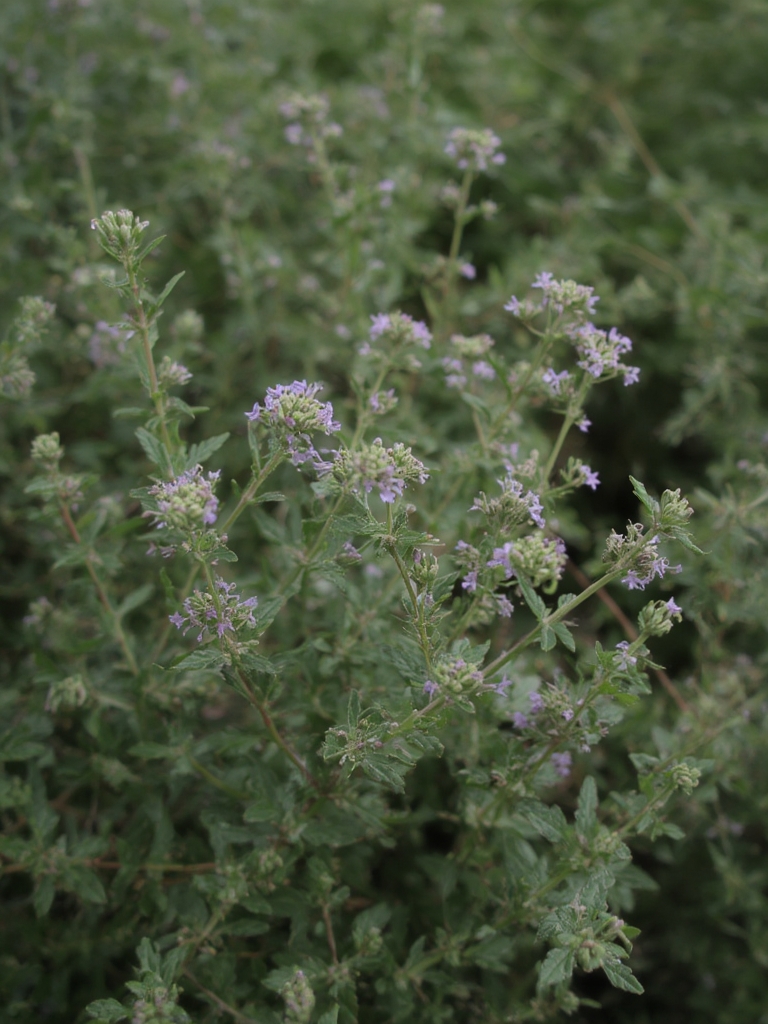

Have you ever noticed how some herbs seem to thrive even when everything else in your garden is struggling through a dry spell? Thyme is one of those resilient herbs that not only survives drought conditions but actually prefers them! This Mediterranean native brings a distinctive earthy flavor to your cooking while requiring minimal water and maintenance. Growing thyme at home provides you with a sustainable source of this versatile herb that enhances countless dishes, from soups and stews to meat rubs and vegetable recipes. Plus, establishing a drought-tolerant herb bed with thyme as your cornerstone plant saves water and time while still delivering abundant harvests.
Table of Contents
Materials & Supplies
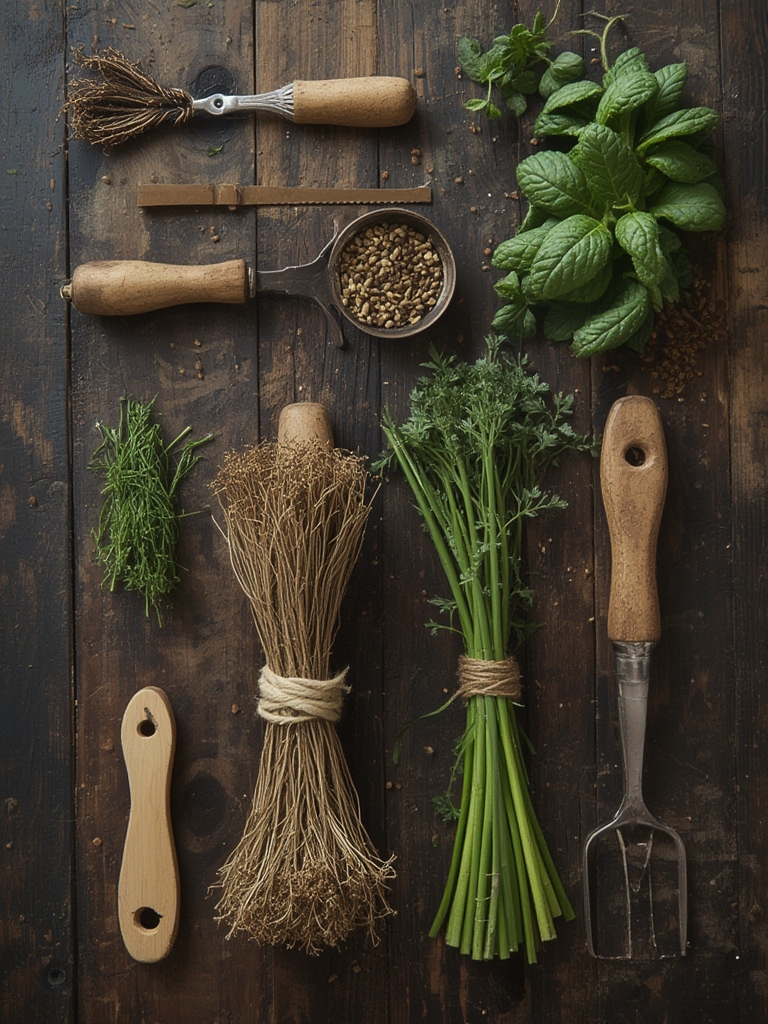
To start your thyme garden, you’ll need:
- Thyme plants or seeds: Choose common thyme (Thymus vulgaris), lemon thyme, or creeping thyme varieties
- Well-draining soil mix: Combine regular potting soil with coarse sand and perlite (3:1:1 ratio)
- Containers or garden bed space: Terra cotta pots work exceptionally well as they help keep the soil dry
- Gravel or pebbles: For drainage and mulching
- Basic gardening tools: Trowel, pruning shears, and watering can with fine spray
- Organic fertilizer (optional): Low-nitrogen variety specifically for herbs
- pH testing kit (optional): Thyme prefers slightly alkaline soil (pH 6.5-7.0)
Timing / Growing Schedule
Thyme has a relatively straightforward growing timeline:
- Preparation time: 1-2 hours to prepare containers or garden bed
- Germination period: 14-28 days if growing from seed (spring planting recommended)
- Growth to maturity: 6-8 months from seed; 3-4 months from small nursery plants
- Harvest timeline: First light harvesting can begin 2-3 months after planting; full harvests after 6 months
- Productive lifespan: 3-4 years before plants become woody and less productive
Unlike basil or cilantro which need replacement every season, thyme is a perennial that keeps giving year after year with minimal intervention.
Step-by-Step Instructions
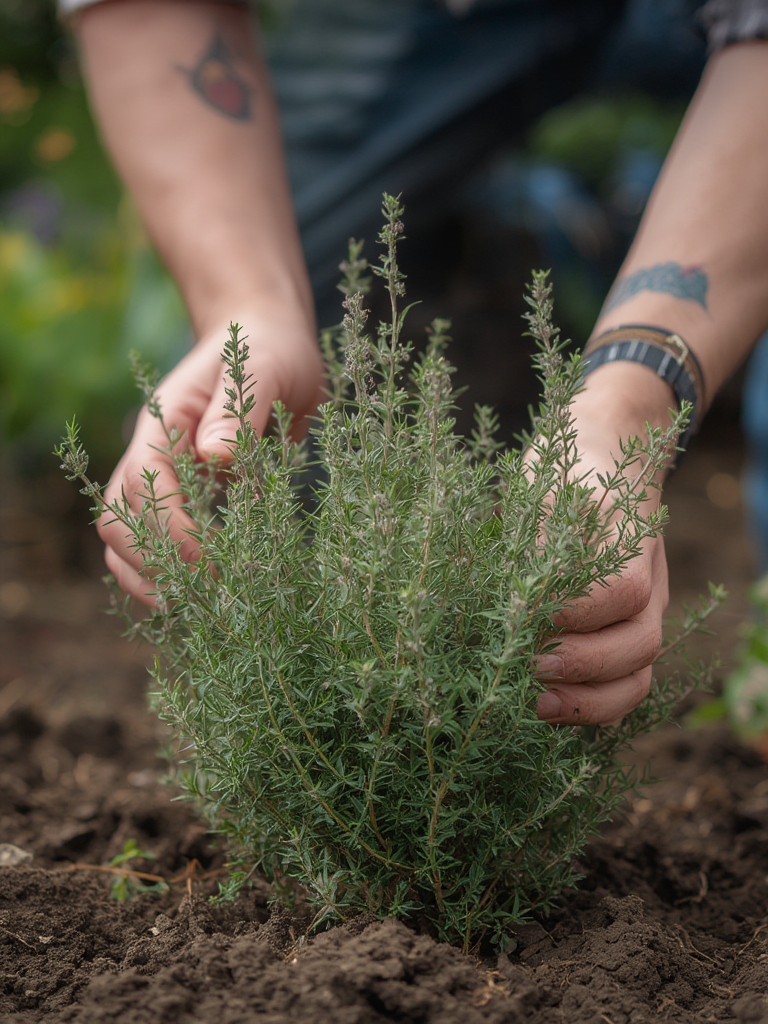
Select your location: Choose a spot that receives at least 6-8 hours of direct sunlight daily. Thyme loves hot, sunny positions.
- Tip: South-facing windows are ideal for indoor growing; south-facing garden spots for outdoor planting.
Prepare your soil: Mix regular potting soil with coarse sand and perlite to create excellent drainage. Thyme roots will rot in consistently wet soil.
- Tip: Add a handful of crushed eggshells to increase calcium and raise pH slightly.
Plant your thyme: If using seeds, sprinkle them lightly on the soil surface and press gently – don’t bury them as they need light to germinate. For nursery plants, dig holes slightly larger than the root ball and place plants 8-12 inches apart.
- Tip: Cover seed-sown areas with a very thin layer of vermiculite to retain moisture during germination.
Water properly: After initial planting, water thoroughly but allow the soil to dry completely between waterings. Once established, thyme only needs water during extended dry periods.
- Tip: The finger test works best – if the soil feels dry 1 inch down, it’s time to water.
Harvest regularly: Once plants reach 6-8 inches tall, harvest by cutting stems back by about one-third, never removing more than half the plant at once.
- Tip: Morning harvesting yields the highest concentration of essential oils for maximum flavor.
Nutritional Benefits
Thyme is packed with benefits beyond its flavor profile:
- Rich source of vitamin C, vitamin A, and manganese
- Contains thymol, a natural antiseptic with antibacterial properties
- Provides dietary fiber and iron in smaller amounts
- Offers potential respiratory benefits when consumed as tea
- Contains numerous antioxidants that help fight free radicals
Tips and Alternative Methods
- Container growing: Use at least 6-inch pots with excellent drainage holes; ideal for apartments
- Indoor cultivation: Place on south-facing windowsills and use grow lights during winter
- Companion planting: Thyme pairs beautifully with rosemary, sage, and lavender in drought-tolerant beds
- Groundcover option: Creeping thyme varieties make excellent lawn replacements in low-traffic areas
- Winter care: Protect container plants by moving them against a south-facing wall in cold climates
Common Mistakes to Avoid
- Overwatering: The number one killer of thyme – less is more!
- Using rich soil: Avoid compost-heavy or fertilizer-rich soils which produce weak, less flavorful growth
- Insufficient sunlight: Thyme becomes leggy and less aromatic in shade
- Inadequate pruning: Without regular harvesting, plants become woody and less productive
- Crowded planting: Ensure good air circulation to prevent fungal issues
Storage / Maintenance Tips
- Regular harvesting: Cut stems back by up to one-third every few weeks during growing season
- Drying: Hang small bundles upside down in a warm, dry place for 1-2 weeks
- Freezing: Chop fresh thyme and freeze in olive oil in ice cube trays
- Pruning: Cut back woody stems by one-third in early spring to encourage new growth
- Division: Divide mature plants every 3-4 years to rejuvenate them and create new plants
Conclusion
Growing thyme gives you access to a versatile, flavorful herb while creating an environmentally friendly, low-maintenance garden space. Its drought tolerance makes it perfect for water-conscious gardeners, and its perennial nature means years of harvests with minimal effort. Start with just one variety, then expand your collection as you discover the nuances of different thyme types. Have you started planning your drought-tolerant herb garden yet? Share your thyme-growing experiences in the comments or explore our other herb gardening guides!
FAQs
How often should I water my thyme plants?
Allow the soil to dry completely between waterings. Once established, thyme typically needs water only during prolonged drought.
Can thyme survive winter outdoors?
Most thyme varieties are hardy in USDA zones 5-9. In colder regions, provide winter mulch or grow in containers that can be moved indoors.
Why is my thyme plant turning woody?
Woodiness is natural as plants age. Regular pruning, especially in spring, encourages new growth. Replace plants every 3-4 years for peak production.
Can I grow thyme indoors year-round?
Yes, with sufficient light (6-8 hours daily). Use grow lights in winter, ensure excellent drainage, and maintain good air circulation.
How do I harvest thyme without killing the plant?
Never harvest more than one-third of the plant at once. Cut stems just above a growth node or leaf junction to encourage branching.