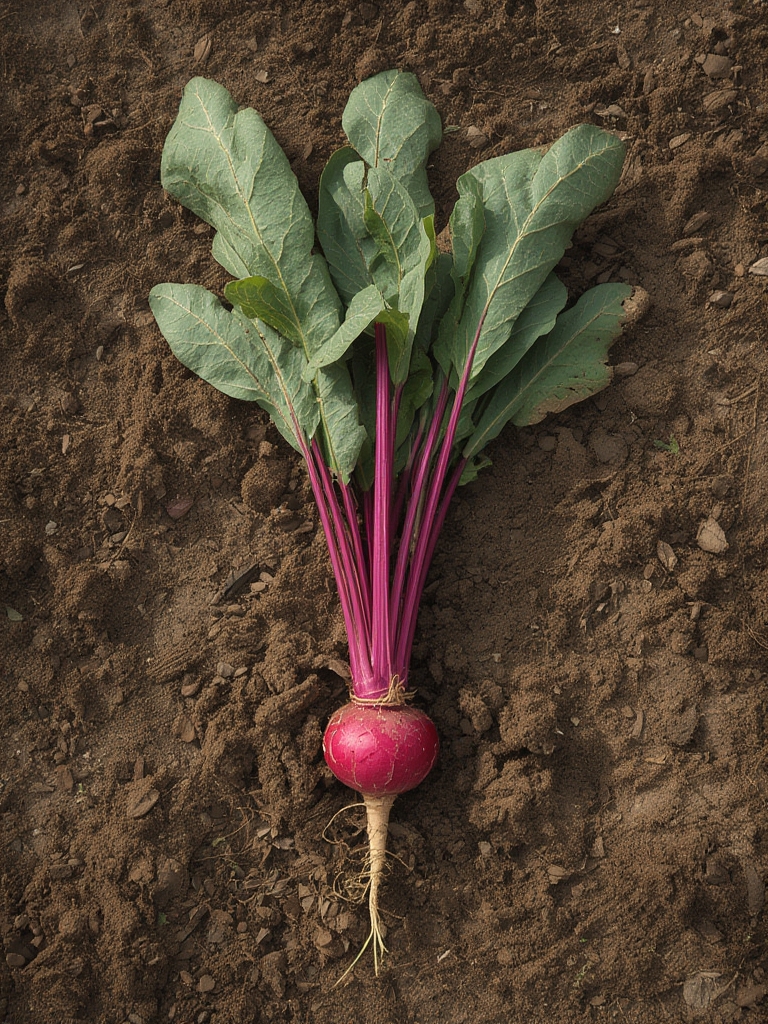

Have you ever wondered how to improve your garden’s soil structure naturally, without expensive equipment or chemicals? Tillage radishes might be the answer you’re looking for. These powerful cover crops, also known as daikon radishes or forage radishes, are nature’s soil tillers—growing tap roots that can penetrate 12-30 inches deep into compacted soil. As a tillage radish grows and then decomposes, it creates channels for water infiltration, increases organic matter, and breaks up hardpan layers. This comprehensive guide will walk you through how to successfully grow tillage radish to transform your soil quality while reducing the need for mechanical tillage.
Table of Contents
Materials & Supplies
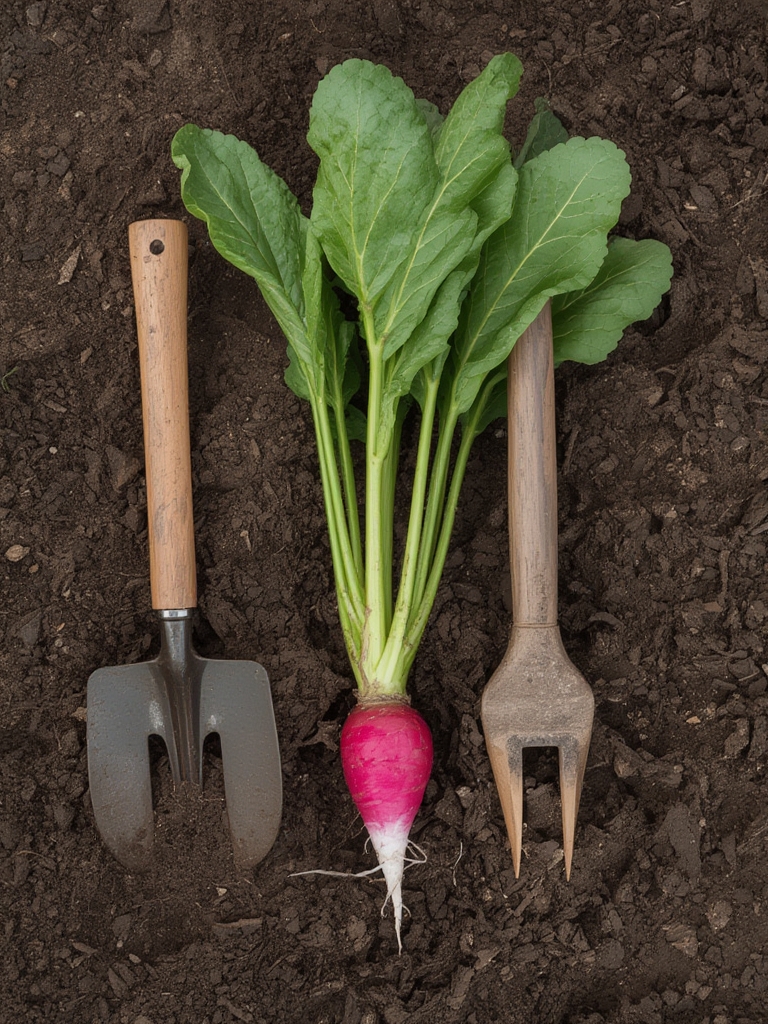
To successfully grow tillage radish as a cover crop, you’ll need:
- Tillage radish seeds – Look specifically for varieties bred for soil improvement (Raphanus sativus)
- Broadcast spreader – For even seed distribution (a hand spreader works for smaller areas)
- Garden rake – To lightly incorporate seeds into soil
- Soil thermometer – To monitor soil conditions
- Watering equipment – Hose, sprinklers, or irrigation system
- Compost – Optional, for poor soils
- Inoculant – Optional, can improve growth in depleted soils
- pH testing kit – To ensure soil is between 6.0-7.5 for optimal growth
Timing / Growing Schedule
Timing is crucial for tillage radish success. Plant 4-10 weeks before your first expected hard frost:
- Northern zones (3-5): Plant in late July to early August
- Mid-temperate zones (6-7): Plant in August to early September
- Southern zones (8-10): Plant in September to October
The complete growth cycle takes 60-90 days before winter kill, with visible soil improvement benefits appearing within 30-45 days as taproots develop. Unlike winter rye that requires spring termination, tillage radishes conveniently winter-kill when temperatures drop below 20°F, leaving perfectly drilled holes and decomposing organic matter.
Step-by-Step Instructions
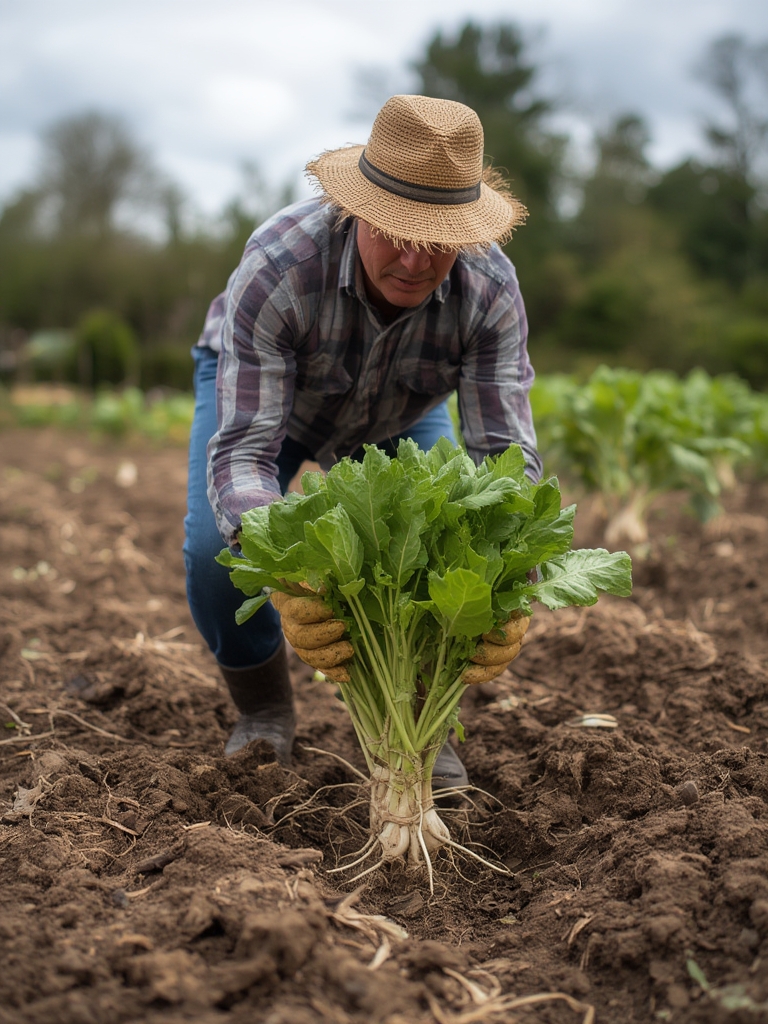
Test and prepare your soil: Aim for a pH between 6.0-7.5. Remove existing weeds and lightly till the top 1-2 inches of soil to create a seedbed.
Calculate your seeding rate: For pure tillage radish stands, use 8-10 lbs/acre (approximately 3-4 oz per 1,000 square feet). For mixed cover crop systems, reduce to 2-6 lbs/acre.
Broadcast seeds evenly: Use a spreader to distribute seeds across your planting area. For smaller gardens, hand broadcasting works fine.
Incorporate seeds lightly: Rake the soil surface to cover seeds with ¼ to ½ inch of soil. Avoid burying them too deep, as they need light for germination.
Water thoroughly: Keep the soil moist until germination occurs, typically within 3-7 days. Early establishment is critical for success.
Monitor growth: The radishes will develop leafy tops and penetrating taproots. No maintenance is required once established.
Allow winter termination: Let freezing temperatures naturally kill the plants, creating perfect channels in your soil.
Nutritional Benefits / Advantages
Tillage radishes offer multiple soil health advantages:
- Captures 150-200 lbs of nitrogen per acre, preventing winter leaching
- Increases soil organic matter as roots decompose
- Creates macropores for improved water infiltration and drainage
- Reduces soil compaction without mechanical intervention
- Suppresses spring weeds naturally
- Attracts beneficial soil microorganisms
- Provides erosion control during fall and early winter
Tips, Alternative Methods, or Gardening Advice
- Combine with other cover crops: Mix tillage radish with oats, crimson clover, or winter peas for additional benefits.
- Use in rotation: Plant after early vegetables or grains for maximum benefit.
- Raised beds: Add tillage radish to rejuvenate soil in tired raised beds during fall/winter.
- Orchard rows: Plant between perennial crops to improve soil without disturbing tree roots.
- No-till application: Perfect for transitioning conventional gardens to no-till systems.
Common Mistakes to Avoid
- Planting too late: Seeds need adequate growth time before winter kill.
- Insufficient seeding density: Too few plants won’t adequately penetrate compacted layers.
- Neglecting soil moisture: Seeds need consistent moisture for germination.
- Planting too deep: Seeds should be lightly incorporated, not buried.
- Using in waterlogged areas: Tillage radishes prefer well-drained conditions.
Storage / Maintenance Tips
Tillage radishes require minimal maintenance once established:
- No fertilizer needed—they’re excellent scavengers of existing nutrients
- No need for irrigation after establishment unless during extreme drought
- Leave decomposing plants in place for maximum soil benefit
- Document growth with photos to track soil improvement year over year
- For seed saving, plant a small patch in early spring and allow to flower and set seed
Conclusion
Growing tillage radish represents an elegant, natural solution for improving soil structure and health. With minimal investment and effort, you can reduce compaction, increase water infiltration, and build organic matter in your garden. Whether you’re a home gardener looking to improve raised beds or a market farmer wanting to reduce tillage, these powerful radishes deserve a place in your soil improvement strategy. Try incorporating them this fall and discover firsthand why they’re becoming the cover crop of choice for sustainable growers.
FAQs
How deep will tillage radish roots actually grow?
In favorable conditions, tillage radish taproots typically grow 12-30 inches deep, with some reaching depths of 6 feet in uncompacted subsoil.
Can tillage radish be eaten like regular radishes?
Yes, though they’re bred primarily for soil improvement, tillage radishes are edible. The young leaves can be used in salads, and the roots can be harvested young for culinary use.
Will tillage radish regrow after winter?
No, tillage radishes are typically winter-killed when temperatures drop below 20°F, which is ideal for their soil improvement purpose.
How do I prevent tillage radish from becoming a weed?
Ensure they winter-kill by planting at the appropriate time for your climate zone. In southern regions where winter-kill might not occur, terminate growth before seed production.
Can I plant tillage radish in the spring?
While possible, fall planting is preferred as it allows winter-kill to naturally terminate the crop, maximizing soil benefits without additional management.