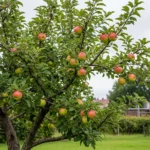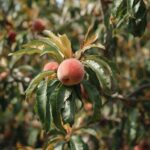
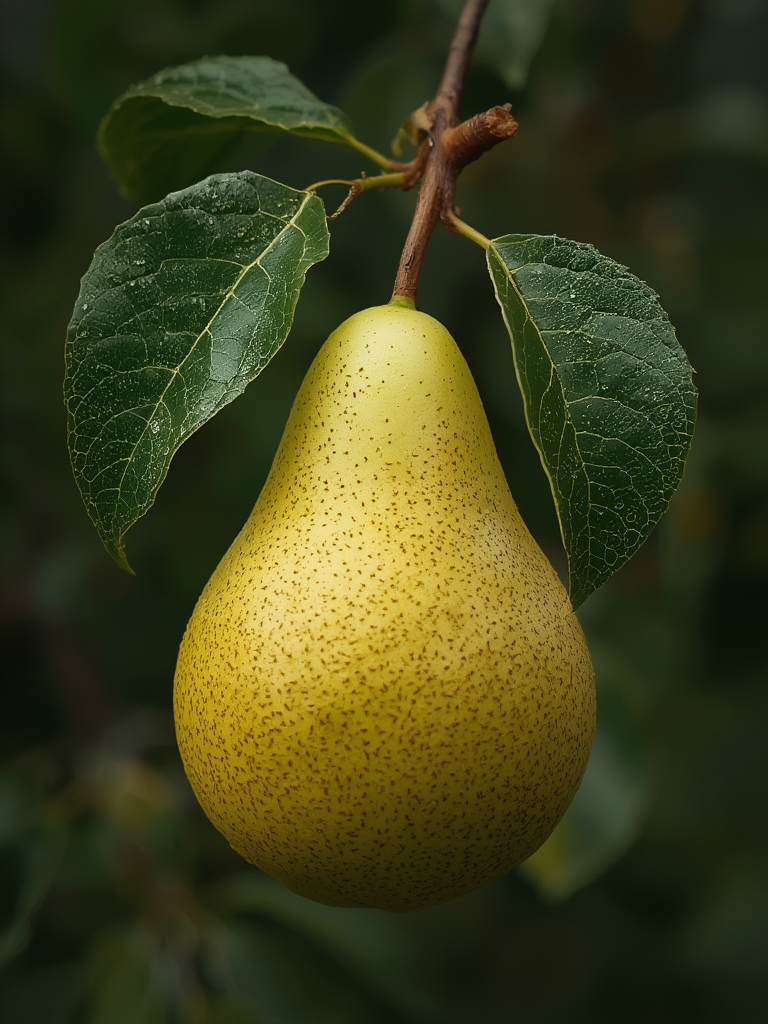

Have you ever bitten into a perfectly ripe Asian pear and experienced that distinctive crunch followed by sweet, juicy goodness? Growing your own Asian pear trees at home can provide you with these delectable fruits while adding beauty to your landscape. Unlike their European cousins, Asian pears (also called apple pears or nashi) maintain their crisp texture even when fully ripe, making them a unique addition to any home orchard. With proper care and attention, you can grow these delicious Asian pear varieties right in your backyard and enjoy harvests for many years to come.
Table of Contents
Materials & Supplies

To successfully grow Asian pear trees, you’ll need:
- Young tree: Purchase a 1-2 year old grafted tree from a reputable nursery
- Planting tools: Shovel, garden fork, pruning shears
- Soil amendments: Compost, aged manure, peat moss
- Mulch: Wood chips or straw (3-4 inch layer)
- Support stake: 6-foot wooden or metal stake
- Tree guards: To protect against rodents and winter damage
- Fertilizer: Balanced NPK formulation (10-10-10)
- Spray equipment: For disease management (optional)
- Pruning tools: Loppers, hand pruners, pruning saw
- Harvesting equipment: Fruit picking baskets or bags
Timing / Growing Schedule
Asian pear trees are best planted in early spring after the danger of frost has passed or in fall about 6 weeks before the first frost. They take approximately 3-5 years to start producing fruit after planting. The growing season spans spring through fall, with blossoms appearing in early spring and harvest occurring in late summer to early fall (August-October), depending on variety. This is earlier than most European pears, which typically ripen in mid-to-late fall.
Step-by-Step Instructions

Select the right location: Choose a spot with full sun (at least 6 hours daily) and well-draining soil. Ensure adequate spacing (15-20 feet between trees) for proper air circulation.
Prepare the soil: Test soil pH (aim for 6.0-6.5) and amend with organic matter. Dig a hole twice as wide as the root ball but only as deep.
Plant the tree: Position the graft union 2-3 inches above soil level. Spread roots outward, backfill with soil, and water thoroughly.
Install support: Place a stake next to the young tree and secure it loosely with tree ties to provide stability during establishment.
Apply mulch: Spread a 3-4 inch layer around the base, keeping it 3 inches away from the trunk to prevent rot and pest problems.
Establish watering routine: Deep water weekly during the first year, providing about 1-2 gallons per watering. Adjust based on rainfall.
Prune for structure: During dormancy, prune to create an open center or modified central leader system, removing competing branches.
Thin fruit: When fruits reach marble size, thin to one fruit per cluster and space them 6 inches apart to encourage larger, better-quality pears.
Nutritional Benefits
Asian pears are nutritional powerhouses containing high levels of dietary fiber, vitamin C, and potassium. They’re relatively low in calories while providing excellent hydration due to their high water content. Growing them at home means you can harvest at peak ripeness when nutrient content is highest, and avoid pesticide residues by controlling what treatments you apply.
Tips and Alternative Methods
- Container growing: Choose dwarf varieties grafted on dwarfing rootstock for small spaces or patios.
- Companion planting: Grow aromatic herbs like garlic, chives, or mint nearby to deter pests.
- Cross-pollination: Plant at least two different Asian pear varieties or a compatible European pear to improve fruit set.
- Espalier method: Train trees against a wall or fence in limited spaces, which also increases sun exposure.
- Cold climate care: In zones 4-5, provide winter protection with burlap wraps and additional mulch.
Common Mistakes to Avoid
- Improper pruning: Cutting too much or at wrong times can reduce fruiting. Prune during dormancy and limit to 20-30% of growth.
- Overwatering: Soggy soil leads to root rot. Allow top inch of soil to dry between waterings.
- Neglecting pest management: Watch for fire blight, codling moths, and pear psylla. Implement early prevention methods.
- Skipping fruit thinning: Failure to thin results in small fruits and branch breakage. Be ruthless with thinning for better harvests.
Storage and Maintenance
Asian pears can be stored in the refrigerator for 1-3 months, depending on variety. Unlike European pears, they should be harvested when fully ripe. For long-term maintenance, apply balanced fertilizer in early spring, maintain consistent watering during fruit development, and conduct annual dormant pruning. Apply compost around the drip line each spring, and refresh mulch as needed.
Conclusion
Growing Asian pear trees rewards gardeners with beautiful spring blossoms, attractive foliage, and uniquely crisp, juicy fruits that are rarely found in supermarkets at peak freshness. While they require some patience during the establishment years, the decades of harvests that follow make them a worthwhile investment for any garden or orchard. Start your Asian pear growing journey today, and in a few years, you’ll be enjoying these exceptional fruits straight from your own trees.
FAQs
How long do Asian pear trees live?
With proper care, Asian pear trees can live and produce fruit for 40-50 years, making them a long-term addition to your landscape.
Are Asian pears difficult to grow?
Asian pears are moderately easy to grow, especially in USDA zones 5-9. They’re somewhat more disease-resistant than European pears but do require regular maintenance.
When should I harvest Asian pears?
Unlike European pears, Asian pears ripen on the tree. Harvest when the fruit has developed full color, easily detaches with a slight twist, and has a sweet aroma.
Do I need more than one Asian pear tree for pollination?
Yes, most Asian pear varieties are partially self-fertile but produce much better crops with a compatible pollinator variety planted nearby.
How can I protect my Asian pear trees from fire blight?
Prevent fire blight by planting resistant varieties, avoiding excessive nitrogen fertilizer, pruning during dry weather, and promptly removing infected branches by cutting 12 inches below visible symptoms.