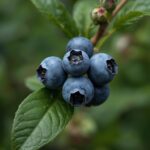
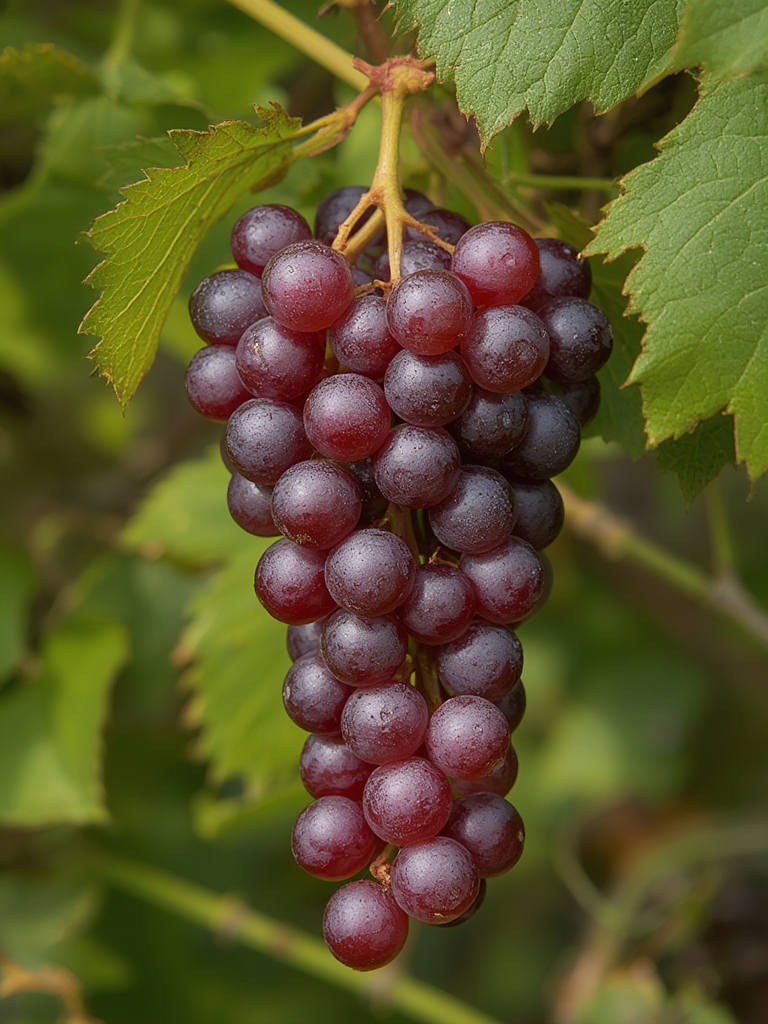

Have you ever tasted the bright, jewel-like berries that burst with a perfect balance of sweetness and tartness? Growing currants in your garden offers an opportunity to harvest these versatile fruits that shine in jams, desserts, and even savory dishes. Whether you’re drawn to the ruby-red varieties or their white and black cousins, currants are surprisingly easy to cultivate and reward gardeners with abundant yields for years to come. By growing currants at home, you’ll not only save money but also enjoy fresher, more flavorful berries than store-bought options.
Table of Contents
Materials & Supplies

To start your currant-growing journey, gather these essentials:
- Currant bushes: 1-2 year old bare-root or container plants (red, black, or white varieties)
- Garden soil: Well-draining with pH 5.5-7.0
- Compost or aged manure: 2-3 gallons per planting hole
- Pruning shears: Clean and sharp for proper maintenance
- Mulch: Wood chips or straw (4-inch layer)
- Watering can or irrigation system: For consistent moisture
- Plant food: Balanced organic fertilizer (10-10-10)
- Bird netting (optional): To protect ripening fruits
- Soil test kit (optional): To check pH levels before planting
Timing / Growing Schedule
Currants perform best when planted in late fall or early spring while dormant. After planting, expect the following timeline:
- Establishment period: 1-2 years before significant fruiting
- Harvest season: Mid-June to July (approximately 70-80 days after flowering)
- Productive lifespan: 12-15 years with proper care
- Annual pruning: Late winter, before new growth emerges
Unlike strawberries that fruit in their first year, currants require patience but reward with decades of production compared to the 3-4 year lifespan of most raspberry patches.
Step-by-Step Instructions

Select a suitable location: Choose a spot with morning sun and afternoon shade in warmer climates, or full sun in cooler regions. Ensure good air circulation to prevent fungal issues.
Prepare the soil: Dig a hole twice as wide as the root ball and mix in compost. Create a slight mound if drainage is a concern—currants hate wet feet but need consistent moisture.
Plant properly: Set the bush 1-2 inches deeper than it grew in the nursery to encourage a stronger root system. Space plants 4-5 feet apart in rows 6-8 feet apart.
Water thoroughly: Provide deep watering after planting, then 1-1.5 inches weekly during the growing season. Pro tip: Mulch heavily around (not against) the stem to retain moisture.
Feed appropriately: Apply compost in spring and a balanced fertilizer after fruiting. Avoid high-nitrogen fertilizers which promote foliage at the expense of fruit.
Prune strategically: Remove dead, damaged, or crossing branches in late winter. For red currants, maintain 8-10 main canes of different ages; for black currants, focus on encouraging new growth as they fruit on year-old wood.
Nutritional Benefits
Currants are nutritional powerhouses, offering:
- High vitamin C content (4x more than oranges by weight)
- Rich in antioxidants, particularly anthocyanins
- Good source of fiber, potassium, and manganese
- Low calorie (only 56 calories per cup)
- Natural immune system boosters
Tips and Alternative Methods
- Container growing: Select compact varieties like ‘Red Lake’ or ‘Consort’ for pots at least 18 inches deep.
- Companion planting: Grow with aromatic herbs like sage or mint to deter aphids naturally.
- Trellising option: Train currants against a north-facing wall in hot climates to provide afternoon shade.
- Winter protection: Apply extra mulch in zones 3-4 to protect roots during extreme cold.
Common Mistakes to Avoid
Insufficient pruning: Neglecting annual pruning leads to decreased yields and increased disease risks. Solution: Mark pruning on your calendar as a yearly maintenance task.
Improper watering: Both drought and waterlogging stress currant bushes. Solution: Install soaker hoses for consistent moisture.
Ignoring pests early: Currant aphids can quickly infest new growth. Solution: Inspect plants weekly and spray affected areas with insecticidal soap at the first sign.
Harvesting too early: Picking before full ripeness results in sour berries. Solution: Wait until berries are fully colored and slightly soft to touch.
Storage / Maintenance Tips
Maintain your currant bushes with these practices:
- Water consistently during fruit development (May-July)
- Renew mulch annually in spring
- Fertilize lightly after harvest
- Check for and remove suckers growing from the base
For harvested berries, refrigerate unwashed clusters for up to two weeks or freeze whole berries on trays before transferring to containers for long-term storage.
Conclusion
Growing currants offers gardeners a perfect balance of ease and reward, with minimal maintenance yielding years of nutritious, versatile fruits. Their adaptability to various growing conditions makes them accessible to both beginners and experienced gardeners. Start with just one or two bushes, and you’ll likely find yourself expanding your currant patch as you discover the joy of harvesting these brilliant berries. What currant variety will you try growing this year?
FAQs
Can currants grow in hot climates?
While currants prefer cooler conditions, varieties like ‘Red Lake’ and ‘Wilder’ can succeed in warmer zones with afternoon shade and extra mulch for root cooling.
How do I tell when currants are ripe?
Red currants should be bright red and slightly translucent; black currants turn deep purple-black and develop a slight softness. Taste test a few berries from each cluster.
Are currants susceptible to diseases?
Yes, they can develop powdery mildew and leaf spot. Prevent these by ensuring good air circulation, avoiding overhead watering, and selecting resistant varieties.
Can I grow currants from cuttings?
Absolutely! Take 8-10 inch hardwood cuttings in fall, remove all but the top few buds, and plant 6 inches deep in prepared soil. Roots typically develop by spring.