
Have you ever bitten into a freshly picked lettuce leaf and marveled at how different it tastes from store-bought varieties? Growing your own lettuce at home isn’t just economically smart—it’s a gateway to experiencing vegetables at their peak flavor and nutrition. Whether you have a sprawling garden or just a tiny balcony, lettuce is one of the most forgiving and rewarding vegetables for beginners to grow. This leafy green adapts to various growing conditions and can be harvested multiple times, making it perfect for novice gardeners wanting quick, tangible results from their gardening efforts.
Table of Contents
Materials & Supplies
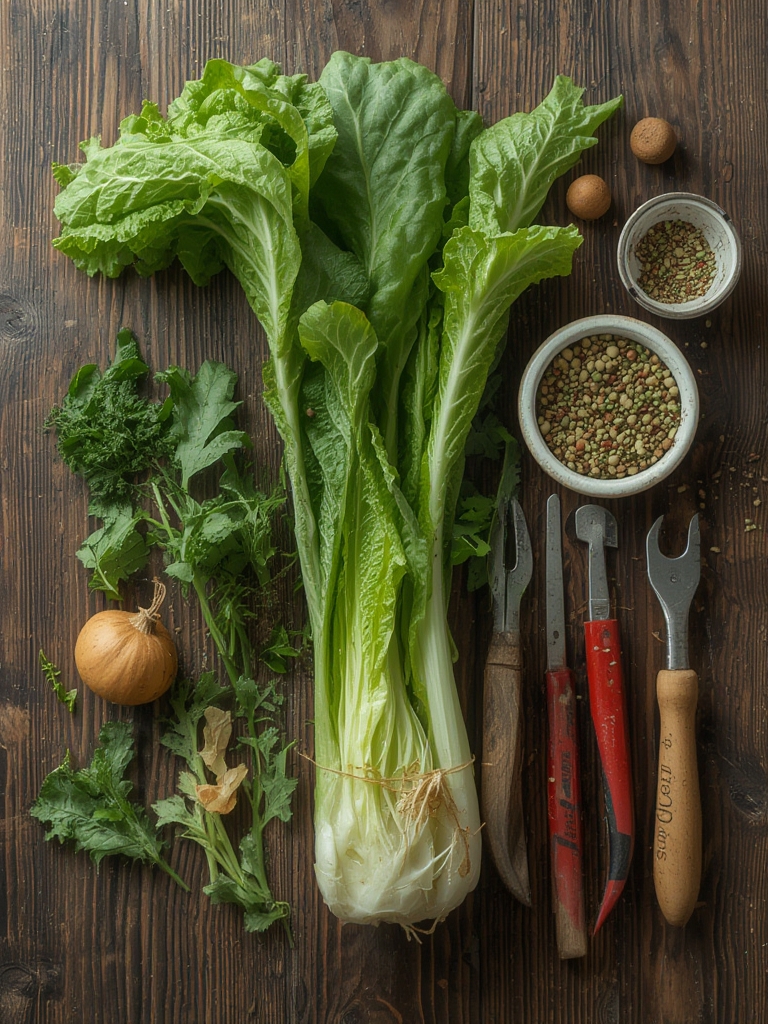
To start your lettuce garden, you’ll need:
- Lettuce seeds or seedlings: Choose varieties like Romaine lettuce, butterhead, or loose-leaf depending on your preference
- Potting soil or garden soil: Opt for well-draining soil mixed with compost
- Containers or garden bed: 6-inch deep containers work well for shallow-rooted lettuce
- Watering can or irrigation system: For consistent moisture delivery
- Plant markers or labels: To identify different varieties
- Organic fertilizer: Liquid seaweed or fish emulsion works excellently
- Row covers (optional): Protects young plants from pests and harsh weather
- Garden gloves: For comfortable handling of soil and plants
Timing / Growing Schedule
Lettuce is a cool-season crop that performs best in temperatures between 45-75°F. Plan to start seeds:
- Spring planting: 2-3 weeks before the last frost date
- Fall planting: 4-8 weeks before the first fall frost
From seed to harvest typically takes:
- Baby lettuce (for salad mix): 21-30 days
- Full-sized Romaine lettuce heads: 55-70 days
- Butterhead or loose-leaf varieties: 45-55 days
Lettuce grows significantly faster than cabbage or kale, making it perfect for gardeners seeking quick results.
Step-by-Step Instructions
Prepare your growing area: Clear the soil of weeds and debris. If using containers, ensure they have drainage holes.
Sow seeds: Plant lettuce seeds 1/8 to 1/4 inch deep. For rows, space them about 12-18 inches apart for full-sized heads (especially Romaine lettuce) or 6 inches for leaf lettuce.
Water gently: Use a misting attachment to avoid displacing seeds. Keep the soil consistently moist but not waterlogged.
Thin seedlings: When plants reach 1-2 inches tall, thin them to proper spacing (8-12 inches for head lettuce, 4-6 inches for leaf types).
Provide partial shade: In warmer climates, offer afternoon shade to prevent bolting and bitter flavors.
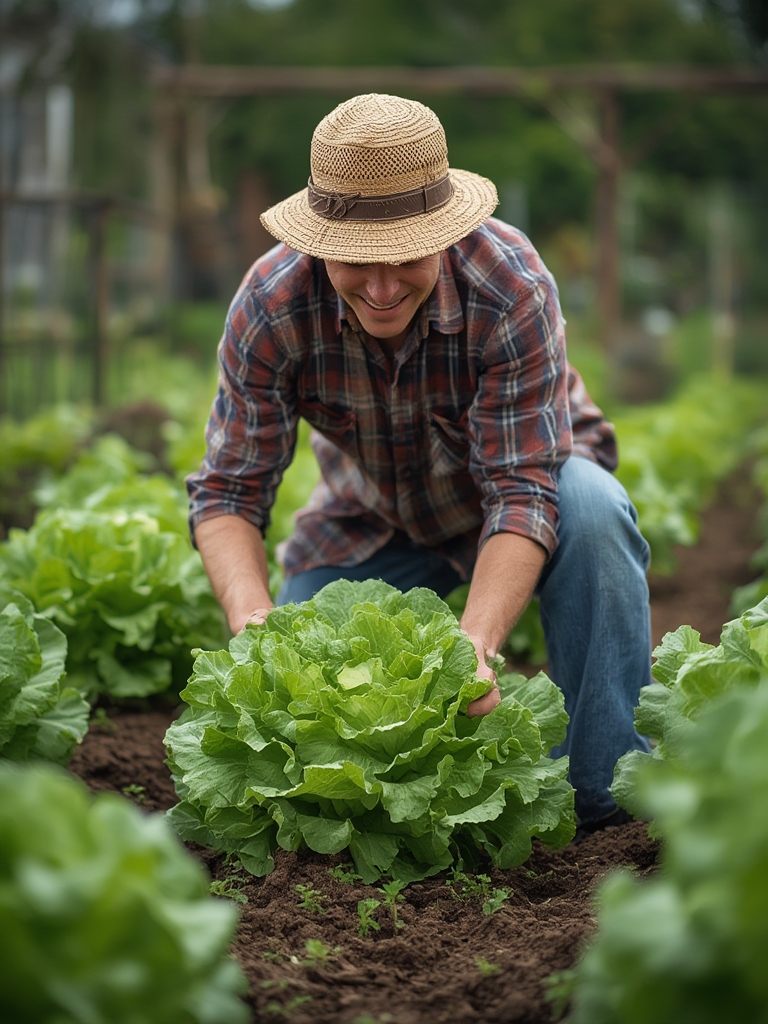
Harvest properly: For leaf lettuce, pick outer leaves first while letting the plant continue growing. For head types like Romaine lettuce, harvest the entire head by cutting at soil level.
Nutritional Benefits
Homegrown lettuce delivers exceptional nutritional value, particularly:
- Rich in vitamins A, K, and C
- Excellent source of folate and iron
- High water content aids hydration
- Contains antioxidants that support immune function
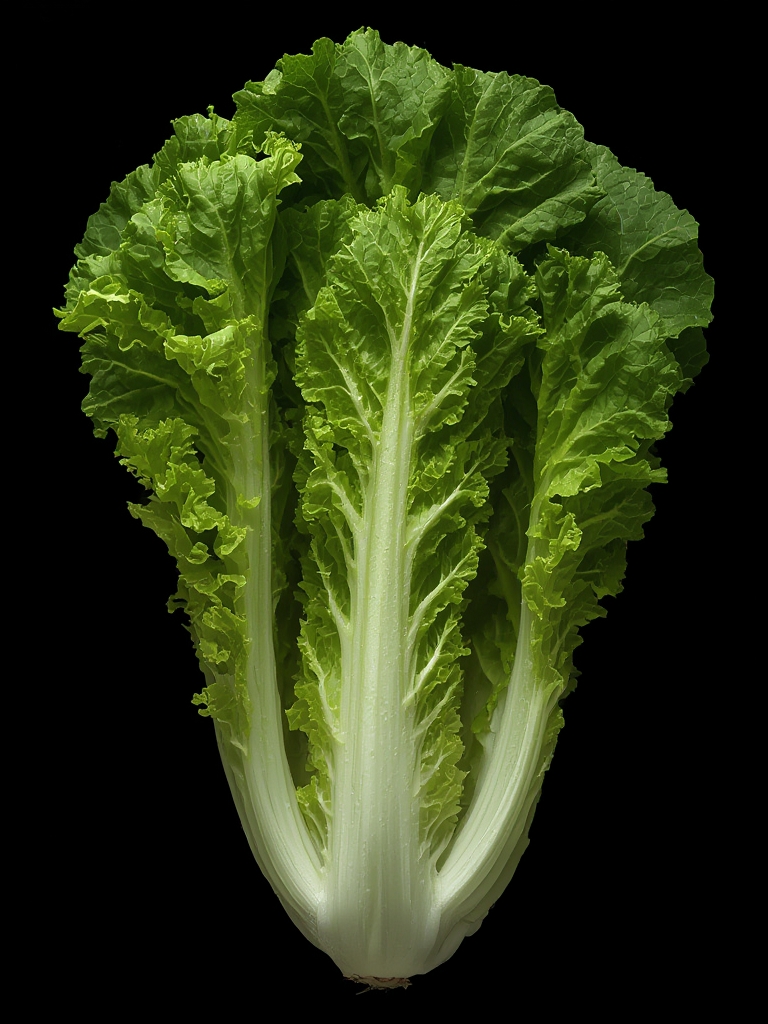
- Romaine lettuce specifically offers more nutrition than iceberg varieties with higher levels of fiber and minerals
Tips, Alternative Methods, or Gardening Advice
- Succession planting: Sow new seeds every 2-3 weeks for continuous harvests
- Container gardening: Grow lettuce in window boxes, hanging baskets, or recycled containers
- Indoor options: Cultivate lettuce year-round under grow lights or in sunny windows
- Intercropping: Plant lettuce between slower-growing vegetables to maximize space
- Companion planting: Grow alongside radishes, carrots, or strawberries for natural pest management
Common Mistakes to Avoid
Overwatering: Causes root rot and fungal diseases. Solution: Allow soil surface to dry slightly between waterings.
Planting too deep: Results in poor germination. Solution: Sow seeds just 1/8 inch deep.
Overcrowding: Leads to stunted growth and disease. Solution: Follow proper spacing guidelines.
Growing in summer heat: Causes bitter taste and bolting. Solution: Choose heat-tolerant varieties and provide shade.
Storage / Maintenance Tips
- Watering: Provide 1-1.5 inches of water weekly, preferably in the morning
- Fertilizing: Apply diluted organic fertilizer every 3-4 weeks
- Storage after harvest: Wash, dry thoroughly, and store in a perforated plastic bag in the refrigerator for up to one week
- Pest management: Monitor for aphids and slugs; use diatomaceous earth or neem oil as organic controls
Conclusion
Growing your own lettuce offers unmatched freshness, flavor, and nutritional benefits while saving money on grocery bills. With minimal space requirements and quick growing cycles, lettuce is the perfect confidence-building crop for beginners. Start with easy varieties like loose-leaf or Romaine lettuce, implement the steps outlined above, and you’ll soon be enjoying garden-fresh salads just steps from your kitchen. Ready to get growing? Share your lettuce gardening journey with us in the comments!
FAQs
Why is my lettuce turning bitter?
Bitterness typically results from heat stress or bolting. Harvest before hot weather arrives and provide afternoon shade to prevent bitter flavor development.
Can I grow lettuce indoors year-round?
Yes, with sufficient light (6-8 hours daily). Use a grow light if window light is insufficient, and choose compact varieties suited for indoor cultivation.
How often should I water my lettuce plants?
Water when the top inch of soil feels dry, typically every 2-3 days depending on weather and container size. Consistent moisture prevents bitter taste and bolting.
Can I regrow lettuce from kitchen scraps?
Yes, place Romaine lettuce hearts in shallow water to regrow leaves. While this works for a short harvest, the quality diminishes after the first regrowth.
What’s the best lettuce variety for beginners?
Loose-leaf varieties like ‘Black Seeded Simpson’ or ‘Red Sails’ are most forgiving, offering cut-and-come-again harvesting and good heat tolerance.