
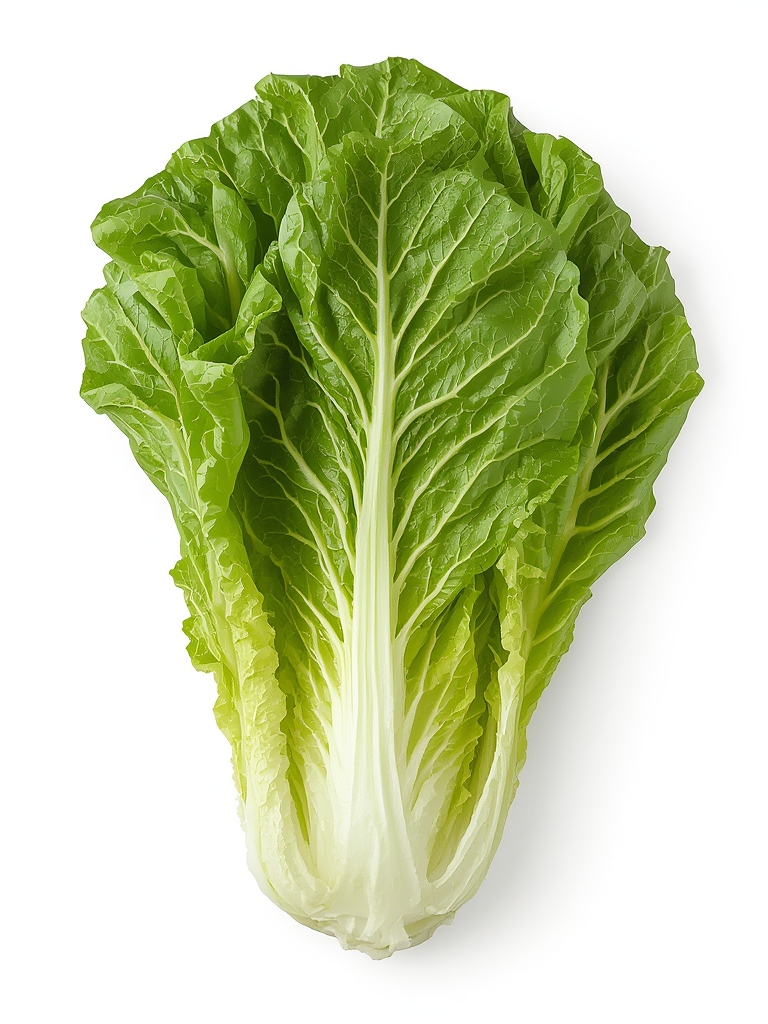

Have you ever bitten into a salad made with freshly harvested lettuce and been amazed by the flavor? Store-bought lettuce simply can’t compare to homegrown varieties that deliver exceptional crispness, sweetness, and nutritional value. Growing your own lettuce is one of the most rewarding and accessible gardening projects, even for beginners. With minimal space requirements and a quick growth cycle, lettuce cultivation provides a continuous harvest of fresh, pesticide-free greens right from your garden or windowsill. Let’s explore how you can grow delicious lettuce varieties that will transform your meals and save you money.
Table of Contents
Materials & Supplies
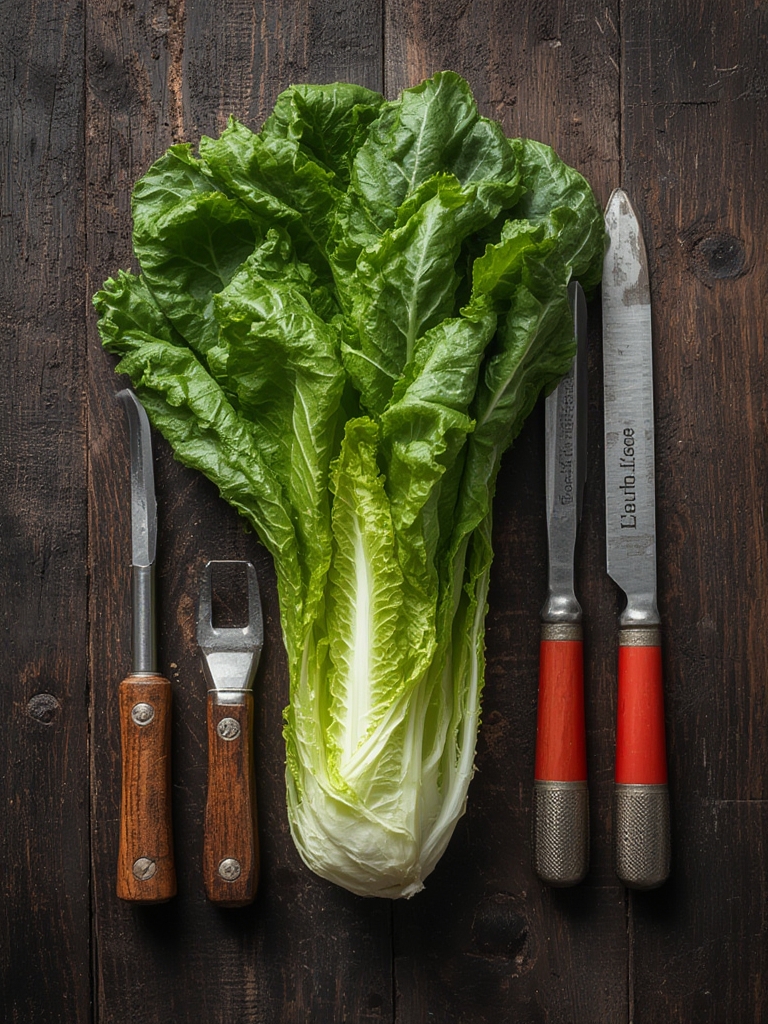
To start your lettuce-growing journey, you’ll need:
- Seeds or seedlings: Choose from varieties like Romaine, Butterhead, Loose-leaf, or Iceberg based on your taste preferences
- Growing containers: 6-inch deep containers with drainage holes (for container growing)
- Potting mix: Lightweight, well-draining soil with organic matter
- Organic compost: To enrich soil nutrients
- Watering can: With a gentle sprinkler head for seedlings
- Spray bottle: For misting young plants
- Liquid fertilizer: Low-nitrogen, organic options work best
- Row covers (optional): To protect from pests and extreme temperatures
- Garden labels: To track different varieties
- Gardening gloves: For soil preparation and handling
Timing / Growing Schedule
Lettuce is a cool-season crop that performs best when daytime temperatures range between 60-70°F. Most varieties mature in just 30-45 days from seed to harvest, making them perfect for impatient gardeners! For continuous harvests, plant new seeds every 2-3 weeks.
Spring planting: Start seeds indoors 4-6 weeks before the last frost, or direct sow once soil can be worked
Summer growing: Choose heat-resistant varieties and provide afternoon shade
Fall planting: Sow 4-8 weeks before first fall frost for late-season harvest
Winter growing: Possible in mild climates or with protection like cold frames
Step-by-Step Instructions
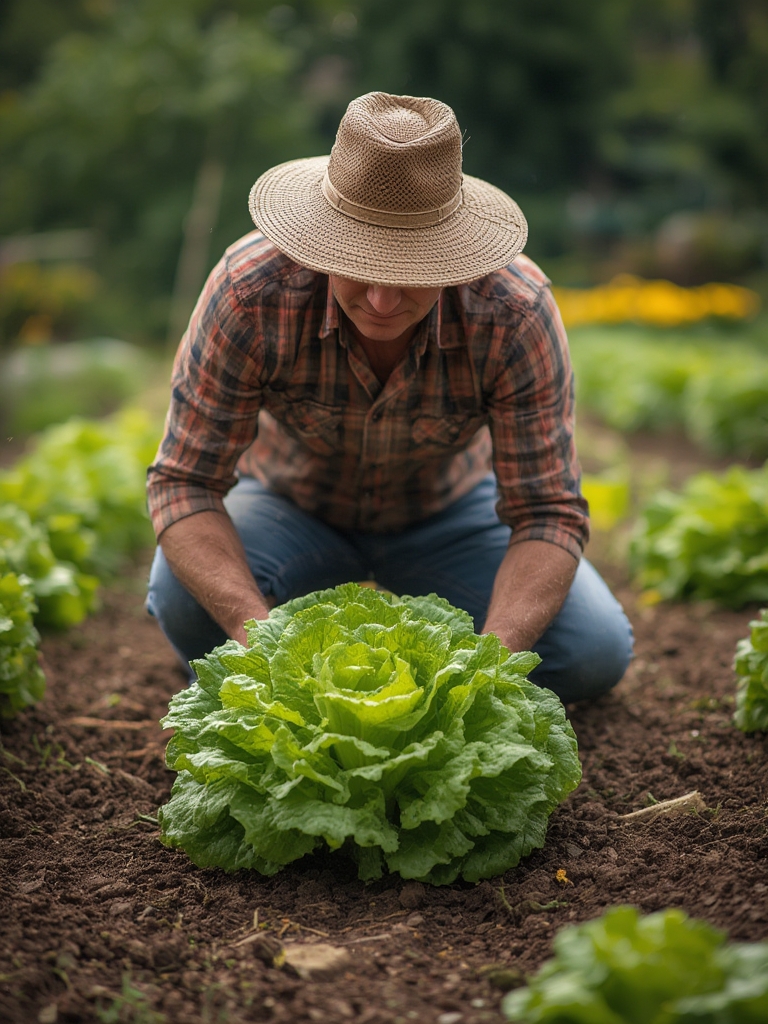
Prepare your growing area: Loosen soil to 6 inches deep and incorporate 2-3 inches of compost. For containers, fill with potting mix to 1/2 inch below the rim.
Sow seeds properly: Sprinkle seeds lightly on soil surface, spacing them about 1 inch apart. Cover with just 1/8 inch of soil—lettuce needs light to germinate.
Water gently: Use a misting spray to avoid displacing seeds. Keep soil consistently moist but not soggy during germination.
Thin seedlings: When plants reach 1-2 inches tall, thin to proper spacing (4-8 inches apart depending on variety) by snipping extras at soil level with scissors rather than pulling.
Provide consistent care: Water regularly in the morning, focusing at soil level to keep leaves dry. Apply diluted liquid fertilizer every 2-3 weeks.
Harvest correctly: Pick outer leaves first to extend your harvest by allowing the plant to continue growing from the center.
Nutritional Benefits
Homegrown lettuce delivers exceptional nutritional value with high levels of vitamins A, K, and C, plus folate and potassium. Dark-colored varieties offer more antioxidants and phytonutrients. Growing your own ensures maximum freshness—preserving water-soluble vitamins that rapidly diminish after commercial harvesting. Plus, you’ll eliminate potential pesticide exposure while reducing your carbon footprint by avoiding transported produce.
Tips, Alternative Methods, or Gardening Advice
- Indoor growing: Cultivate lettuce year-round on windowsills that receive 4-6 hours of sunlight daily.
- Vertical gardening: Utilize wall-mounted planters or tiered systems for space-efficient growing.
- Companion planting: Grow alongside radishes, carrots, or cucumbers for pest protection and space optimization.
- Succession planting: Sow new seeds every 10-14 days for continuous harvest.
- Heat management: In warm climates, use 30% shade cloth to extend the growing season into summer.
Common Mistakes to Avoid
- Overcrowding plants: Results in stunted growth and disease. Solution: Follow proper spacing guidelines or thin aggressively.
- Inconsistent watering: Causes bitter taste and bolting. Solution: Maintain even moisture with regular checks.
- Planting too deep: Prevents germination. Solution: Barely cover seeds with a fine layer of soil.
- Harvesting incorrectly: Pulling entire plants prematurely. Solution: Practice “cut and come again” harvesting for continuous yields.
- Ignoring pests early: Allows infestations to spread. Solution: Inspect plants regularly and use organic controls at first sign of trouble.
Storage / Maintenance Tips
Store harvested lettuce by washing, spinning dry, and refrigerating wrapped loosely in paper towels inside a perforated plastic bag for 7-10 days of freshness. For ongoing care, remove any yellowing leaves promptly, apply a light side-dressing of compost monthly, and check regularly for slugs or aphids. In hot weather, provide afternoon shade and increase watering frequency to prevent bolting.
Conclusion
Growing your own lettuce delivers unmatched freshness and flavor while saving money on expensive store-bought greens. With minimal investment and simple care requirements, you’ll enjoy nutritious harvests within weeks. Whether you’re cultivating a container garden on your balcony or dedicating garden beds to salad greens, lettuce rewards your efforts generously. Try growing different varieties to discover your favorites, and experiment with harvesting at different stages for varying textures and flavors.
FAQs
Why is my lettuce turning bitter?
Bitterness typically results from heat stress or bolting. Harvest lettuce when young, provide afternoon shade in warm weather, and choose heat-resistant varieties for summer growing.
Can I grow lettuce in partial shade?
Yes! Lettuce actually prefers partial shade, especially in warmer regions. 4-6 hours of morning sun with afternoon shade is ideal for most varieties.
How do I prevent slugs from damaging my lettuce?
Create barriers with copper tape around beds, set up beer traps, or apply diatomaceous earth around plants. Morning watering helps keep the environment less appealing to slugs.
Is it better to grow lettuce from seeds or seedlings?
Seeds offer more variety choices and better value, but seedlings provide faster results and sometimes better success rates for beginners. Both methods work well for lettuce.
How can I save lettuce seeds for next season?
Allow a few plants to bolt and develop seed heads. When flowers dry and turn fluffy, collect seeds in paper envelopes and store in a cool, dry place for up to three years.