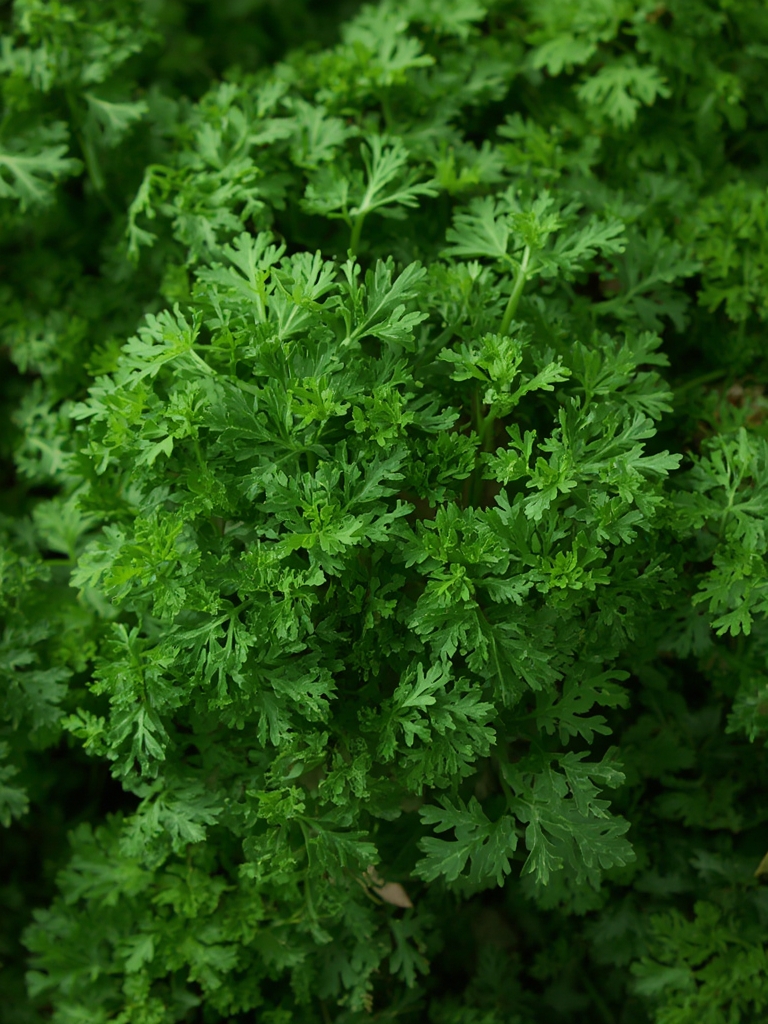

Have you ever reached for fresh parsley while cooking only to find a wilted bunch hiding in the back of your refrigerator? Growing your own parsley at home eliminates this common kitchen disappointment while providing you with an endless supply of this versatile herb. Parsley (Petroselinum crispum) is one of the most rewarding herbs for home gardeners, offering both culinary versatility and ornamental value. Whether you prefer the classic curly parsley for garnishing or flat-leaf varieties for cooking, this hardy biennial is surprisingly easy to grow with minimal space and effort.
Table of Contents
Materials & Supplies
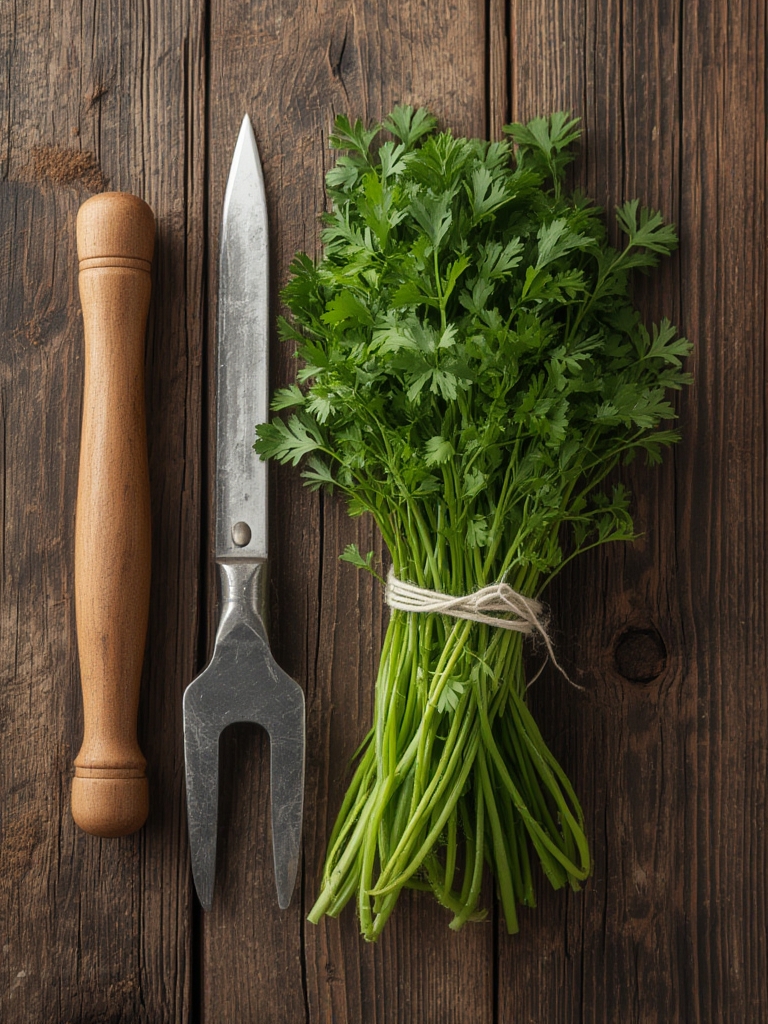
To start your parsley garden, gather these essential items:
- Parsley seeds or seedlings: Choose between curly parsley (more decorative) or flat-leaf parsley (more flavorful)
- Containers or garden space: 8-12 inch deep pots with drainage holes or a garden bed
- Potting soil: Nutrient-rich, well-draining soil mix; preferably organic
- Compost or slow-release fertilizer: For sustained nutrition
- Watering can: With a gentle spray nozzle
- Plant labels: To identify varieties if growing multiple herbs
- Garden snips or scissors: For clean harvesting
- Spray bottle: For misting seedlings (optional)
- Seed starting trays: If starting from seeds indoors (optional)
- Grow lights: For indoor starting or growing (optional)
Timing / Growing Schedule
Parsley has a moderate growth timeline with some patience required at the start. Seeds typically germinate in 2-3 weeks (notoriously slow compared to other herbs). From planting to first harvest, expect 70-90 days. For continuous supply, sow seeds every 3-4 weeks. In cooler climates, start seeds indoors 6-8 weeks before the last spring frost. As a biennial, parsley grows leafy foliage in its first year and flowers in its second, though most gardeners treat it as an annual. Harvest can continue throughout the growing season, with peak production during cool weather.
Step-by-Step Instructions
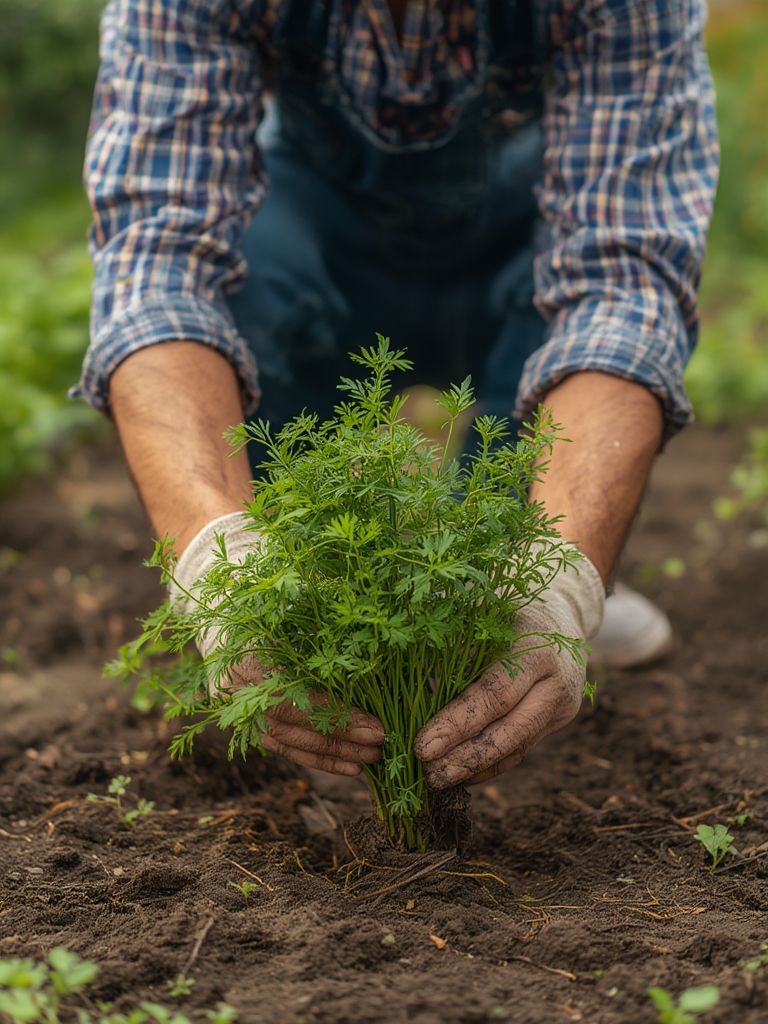
Prepare seeds (optional but helpful): Soak parsley seeds in warm water overnight to improve germination rates. This helps soften the seed coat and can reduce germination time by several days.
Plant seeds: Sow seeds ¼ inch deep in moist soil. If planting directly in the garden, space rows 12 inches apart. For containers, sprinkle several seeds and thin later. Pro tip: Mix seeds with fine sand for more even distribution.
Provide optimal growing conditions: Place in an area with 6-8 hours of sunlight daily. Curly parsley can tolerate partial shade, especially in hot climates. Maintain soil temperature between 60-70°F for best germination.
Water consistently: Keep soil evenly moist but never waterlogged. Water at the base to avoid wet foliage which can cause disease. During hot weather, water deeply once or twice weekly rather than frequent shallow watering.
Thin seedlings: Once seedlings reach 2-3 inches tall, thin to 6-8 inches apart, selecting the strongest plants. Instead of discarding thinned seedlings, transplant them elsewhere or add to salads.
Fertilize sparingly: Apply balanced, organic fertilizer once a month at half the recommended strength. Over-fertilizing reduces essential oil concentration and flavor.
Nutritional Benefits
Parsley is a nutritional powerhouse containing more vitamin C than oranges by weight. Just one tablespoon provides over 70% of your daily vitamin K needs. Rich in antioxidants and anti-inflammatory compounds, parsley supports immune function and bone health. The herb contains myricetin, a flavonol that may help prevent skin cancer. Curly parsley has slightly higher concentrations of certain vitamins but both varieties offer similar health benefits.
Tips, Alternative Methods, or Gardening Advice
Indoor growing works exceptionally well for parsley. Use a south-facing window or grow lights, maintaining at least 6 hours of light daily. For apartment dwellers, parsley thrives in window boxes or balcony containers. Companion plant parsley with tomatoes, asparagus, or roses—it attracts beneficial insects while deterring certain pests. In hot climates, provide afternoon shade to prevent leaf scorching, especially for curly parsley varieties which are more susceptible to heat stress.
Common Mistakes to Avoid
- Harvesting incorrectly: Don’t take more than one-third of the plant at once. Cut outer stems at the base rather than snipping just the tops.
- Planting too deeply: Seeds need light to germinate; planting deeper than ¼ inch dramatically reduces success rates.
- Inconsistent watering: Fluctuating between dry and waterlogged soil causes stress and bitter flavor.
- Overcrowding: Inadequate spacing leads to poor air circulation and increased disease risk.
- Ignoring bolting: Once parsley begins flowering, pinch flower stalks promptly to extend leaf production.
Storage / Maintenance Tips
Fresh parsley keeps in the refrigerator for 1-2 weeks when stems are placed in water (like flowers) and covered loosely with plastic. For long-term storage, freeze chopped parsley in ice cube trays with water or oil, or dry it in a dehydrator at 95-115°F. Maintain plants by removing yellowing leaves promptly. Pinch back growing tips to encourage bushier growth. In milder climates, parsley may survive winter with protection; mulch heavily around the base during cold months.
Conclusion
Growing parsley at home transforms both your culinary experiences and garden space with minimal effort. From brightening dishes with fresh flavor to providing surprising health benefits, this versatile herb deserves a place in every home garden. Start with just one container of parsley, and you’ll likely find yourself expanding your herb garden as you discover the satisfaction of harvesting just what you need, when you need it. Why not get started this weekend?
FAQs
How often should I water my parsley plants?
Water when the top inch of soil feels dry, typically 2-3 times per week depending on climate and container size. Container plants require more frequent watering than garden-grown parsley.
Why is my parsley taking so long to germinate?
Parsley seeds naturally take 2-3 weeks to germinate. Speed up the process by soaking seeds overnight and maintaining consistent soil moisture and temperature around 70°F.
Can I grow parsley year-round indoors?
Yes, parsley grows well indoors with 6+ hours of bright light daily. Use grow lights during winter months and maintain humidity by misting occasionally or using a pebble tray.
Is curly parsley just for decoration or can I cook with it too?
While often used as garnish, curly parsley is entirely edible and nutritious. It has a slightly milder flavor than flat-leaf parsley but works well in salads, soups, and as a finishing herb.