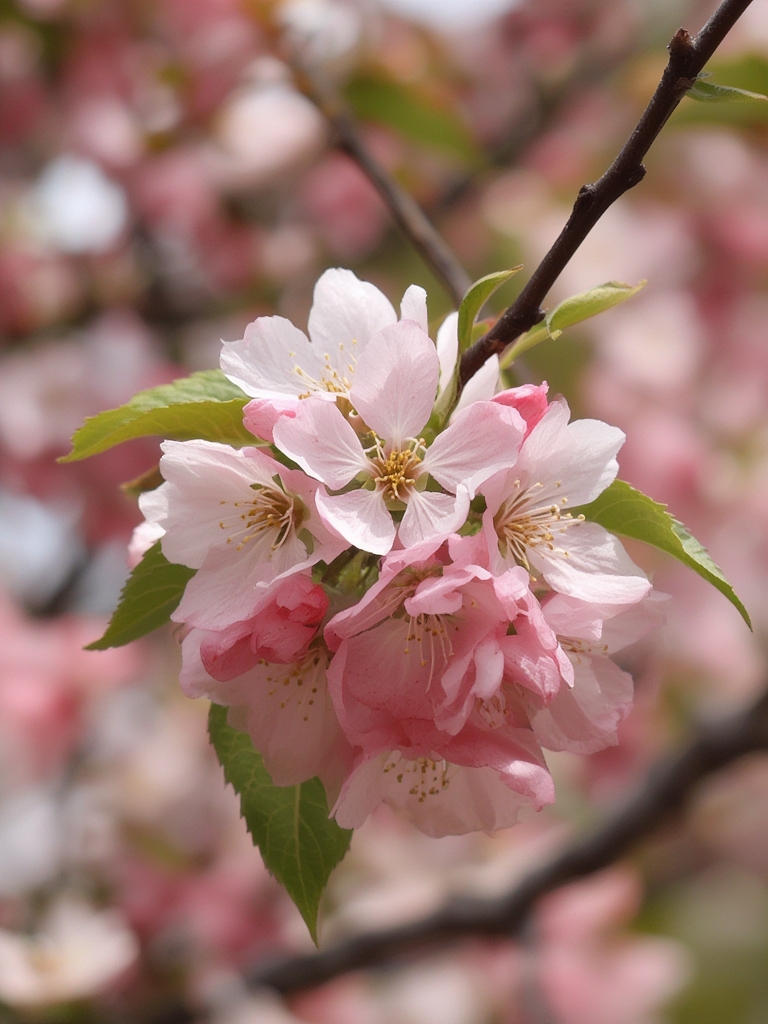

Have you ever longed for those first signs of spring while winter still has its grip on the landscape? The Japanese Flowering Apricot (Prunus mume) might be your perfect solution. This stunning ornamental tree erupts in fragrant blossoms as early as January in some regions, bringing color and life to dormant gardens when we need it most. Growing these early bloomers at home not only provides breathtaking visual interest during winter’s final stretch but also supports early-season pollinators emerging from hibernation. With proper care, your Japanese Flowering Apricot can become the neighborhood’s first herald of spring, providing weeks of blooms before other landscape plants even begin to wake.
Table of Contents
Materials & Supplies
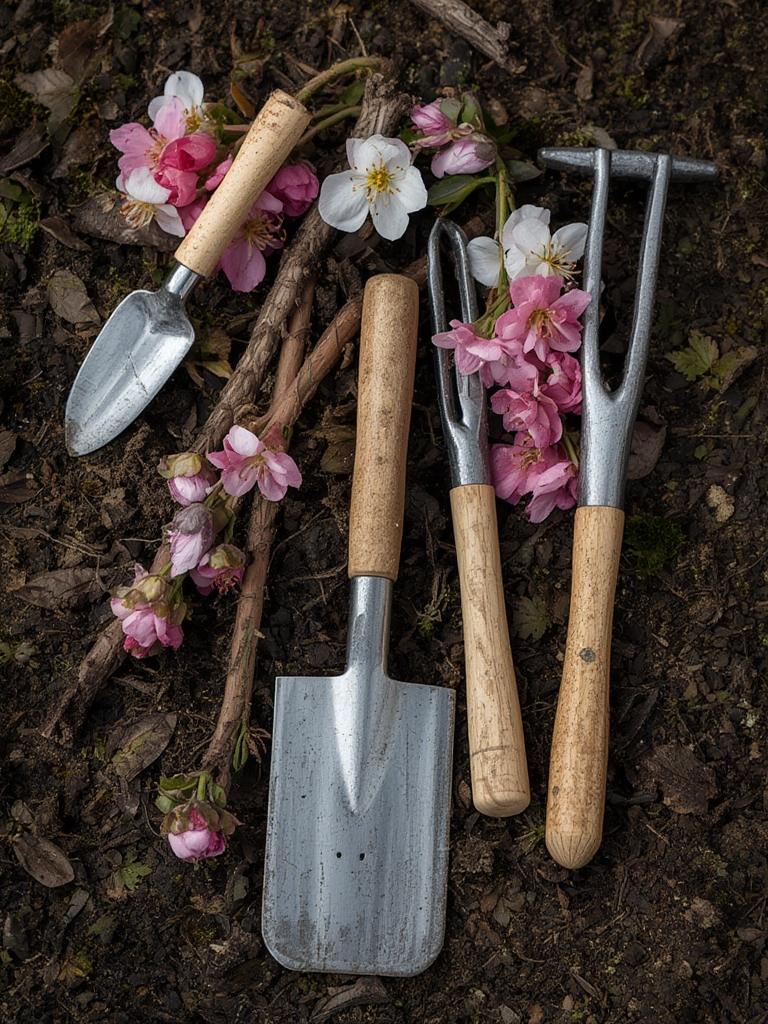
To successfully grow a Japanese Flowering Apricot, you’ll need:
- Young tree (1-2 years old) from a reputable nursery
- Well-draining garden soil or quality potting mix with added perlite
- Organic compost or well-rotted manure
- Mulch (pine bark or cedar chips work well)
- Watering can or garden hose with adjustable nozzle
- Pruning shears (bypass pruners are best)
- pH testing kit (aim for slightly acidic to neutral soil)
- Slow-release fertilizer formulated for flowering trees
- Tree stakes and soft ties (for young trees)
- Garden gloves and spade
Optional items include a soil moisture meter to prevent overwatering and a balanced organic fertilizer if you prefer chemical-free gardening.
Timing / Growing Schedule
The ideal planting time for Japanese Flowering Apricot is fall, allowing roots to establish before winter dormancy. When planted properly, expect your first blooms within 2-3 years, with full flowering maturity reached at 5-7 years. Unlike its cousin, the ornamental plum, which typically flowers in mid-spring, the Japanese Flowering Apricot provides those coveted early blooms from late January through March, depending on your climate zone. This gives you a 4-6 week head start on spring color compared to most flowering trees.
Step-by-Step Instructions
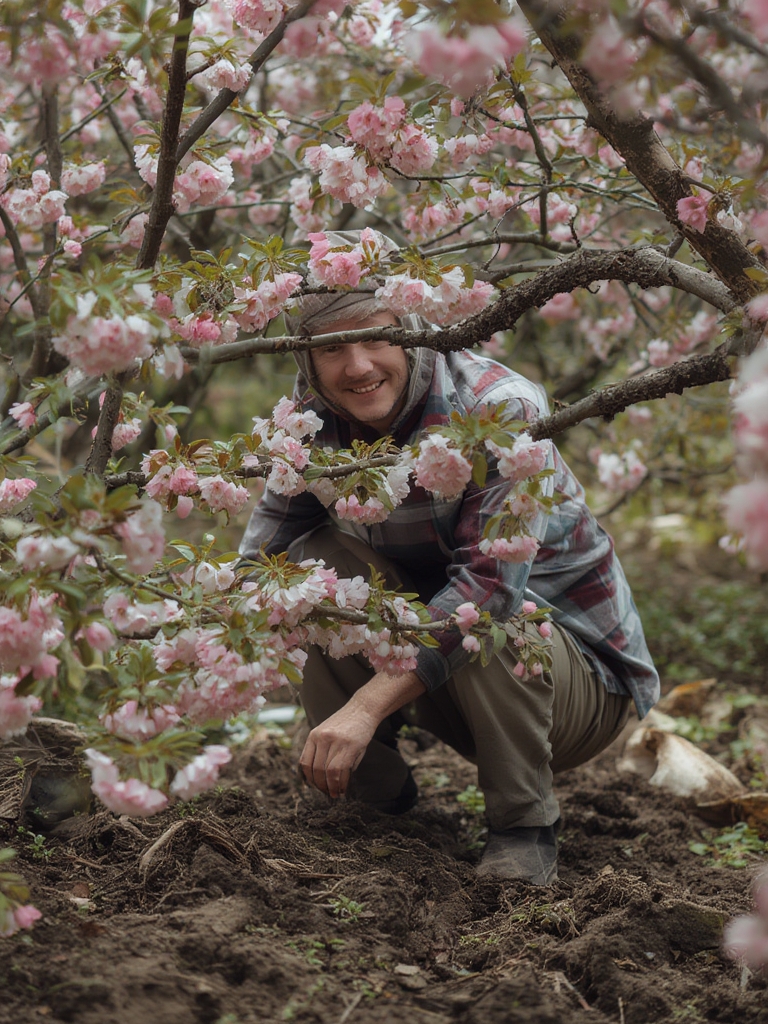
Select the perfect location: Choose a spot with full sun to light afternoon shade and protection from harsh winter winds. Morning sun is crucial for drying dew from flowers, preventing fungal issues.
Prepare the soil: Dig a hole twice as wide but only as deep as the root ball. Mix native soil with compost at a 70:30 ratio for balanced nutrition.
Plant carefully: Position the tree so the graft union (if present) sits 1-2 inches above soil level. Backfill gently, creating a slight basin for water collection.
Water thoroughly: Soak immediately after planting and maintain consistent moisture (but never soggy conditions) through the first growing season.
Apply mulch: Create a 2-3 inch layer around the tree, keeping it 3 inches away from the trunk to prevent rot and rodent damage.
Promote early blooming: Apply a fall feeding of low-nitrogen, high-phosphorus fertilizer to encourage flower bud formation. Trick tip: Drape holiday lights around branches in late winter to provide gentle warmth that can accelerate bloom time by 1-2 weeks.
Advantages
Japanese Flowering Apricot offers multiple benefits beyond early blooms. The trees provide valuable early-season nectar for bees and other pollinators, supporting ecological health. The aromatic flowers produce a sweet, intoxicating fragrance that can perfume an entire garden. Additionally, some varieties produce small fruits that, while too tart for fresh eating, make excellent preserves and sauces.
Tips and Alternative Methods
For small spaces, consider dwarf varieties like ‘Kobai’ or ‘Peggy Clarke’ that reach only 8-10 feet tall and can thrive in large containers. In colder regions (Zones 5-6), plant against a south-facing wall to create a microclimate and protect delicate flower buds. For maximum impact, plant several varieties with different bloom times to extend your flowering season from January through March.
Common Mistakes to Avoid
Improper pruning timing: Never prune in fall or winter, as this removes flower buds. Instead, prune immediately after flowering ends.
Overlooking drainage: Wet feet will kill these trees quickly. If your soil is heavy clay, plant in raised beds or mounds.
Ignoring frost protection: Cover blooming trees with frost cloth (not plastic) when temperatures drop below 28°F to preserve flowers.
Confusing with ornamental plum: While similar, Japanese Flowering Apricot blooms earlier and has more fragrant flowers than ornamental plum varieties.
Maintenance Tips
Water deeply but infrequently once established, about once weekly during dry periods. Fertilize lightly after flowering with a balanced formula (10-10-10). Prune to maintain an open vase shape, removing crossing branches and suckers from the base. Check regularly for signs of bacterial canker—dark, sunken areas on branches—and remove affected limbs promptly.
Conclusion
The Japanese Flowering Apricot offers an unmatched opportunity to enjoy spring’s beauty weeks ahead of schedule. With proper siting, planting, and minimal maintenance, these stunning trees reward gardeners with clouds of fragrant blooms when the landscape is otherwise barren. Whether you’re creating a focal point or seeking to be the first on your block with spring color, this exceptional tree deserves a place in your garden. Ready to start planning for next winter’s blooms? Begin now and by this time next year, you could be enjoying your very own early spring show.
FAQs
How cold-hardy is Japanese Flowering Apricot?
Most varieties are hardy in USDA zones 6-9, with some selections tolerating zone 5b with protection.
Will my Japanese Flowering Apricot produce edible fruit?
While technically edible, the small fruits are extremely sour and best used for preserves or left for wildlife.
How do I distinguish Japanese Flowering Apricot from ornamental plum?
Japanese Flowering Apricot blooms earlier (often while still leafless), has more pronounced fragrance, and typically features more compact growth than ornamental plum trees.
Can I force cut branches to bloom indoors?
Yes! Cut branches in late winter when buds are swollen but not open, place in warm water, and enjoy indoor blooms within 1-2 weeks.