

Have you ever bitten into a fresh, sun-ripened fig and wondered if you could grow such delicious fruit at home? Growing your own fig trees isn’t just possible—it’s surprisingly achievable for gardeners of all experience levels. Fig trees are among the oldest cultivated fruits in the world, beloved for their sweet taste and impressive nutritional profile. Whether you have a spacious garden or a modest balcony, these resilient trees can adapt to various environments and reward you with abundant harvests for decades. Let’s uncover the secrets to growing productive fig trees that will transform your home garden into a Mediterranean-inspired paradise.
Table of Contents
Materials & Supplies
To start your fig growing journey, you’ll need:
- Fig tree cutting or young tree: Choose varieties suitable for your climate like Brown Turkey, Celeste, or Chicago Hardy.
- Large container (if container growing): 15-20 gallon pot with drainage holes.
- Well-draining soil mix: Combine garden soil, compost, and sand in equal parts.
- Organic fertilizer: Low-nitrogen, high-phosphorus formula specifically for fruit trees.
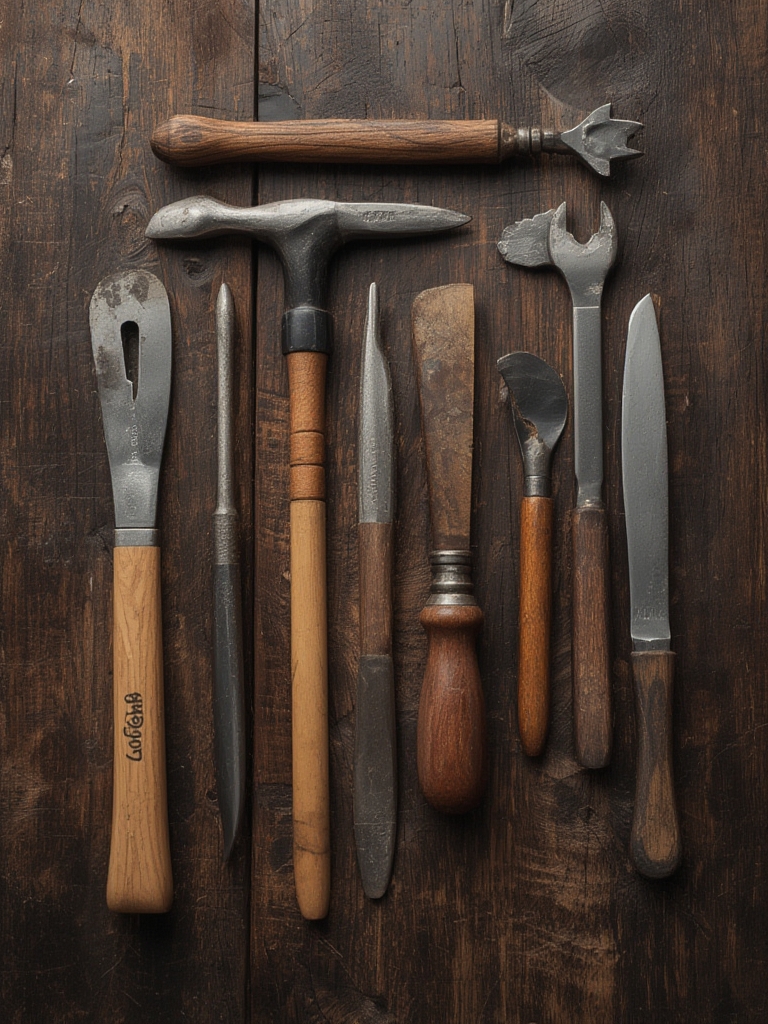
- Pruning shears: Sharp, clean tools for maintenance.
- Mulch: Organic material such as wood chips or straw.
- Support stakes: For young trees in windy locations.
- Watering can or irrigation system: For consistent watering.
- Netting (optional): To protect ripening fruit from birds.
Timing / Growing Schedule
Fig trees should be planted in early spring after the last frost or in fall in warmer regions. Young trees typically take 2-3 years to begin producing significant fruit. Most varieties produce two crops annually in suitable climates—the breba crop on last season’s growth in early summer and the main crop on new growth in late summer to fall. In cooler regions, expect only the main crop to fully ripen. Fig trees can live and produce fruit for 50-100 years with proper care, making them an excellent long-term investment for your garden.
Step-by-Step Instructions
Select the right location: Choose a spot with full sun exposure (at least 8 hours daily) and protection from harsh winds. Southern-facing walls provide additional warmth in cooler climates.
Prepare the soil: Dig a hole twice the width of the root ball and mix in compost to improve drainage. Figs prefer slightly alkaline soil with a pH between 6.0-7.5.
Plant your fig tree: Set the tree in the hole at the same depth it was previously growing. For container planting, ensure your pot has ample drainage holes.
Water thoroughly: Immediately after planting, water deeply to help roots establish. Create a small soil basin around the trunk to catch water.
Apply mulch: Add 2-3 inches of organic mulch around the base, keeping it a few inches away from the trunk to prevent rot.
Support young trees: Install stakes if needed, especially in windy areas.
Establish a watering routine: Water deeply but infrequently (1-2 times weekly) depending on your climate. Reduce watering when dormant in winter.
Nutritional Benefits
Figs are nutritional powerhouses, containing high levels of fiber, potassium, calcium, and antioxidants. They’re naturally sweet while offering digestive benefits and may help lower blood pressure and improve bone density. Home-grown figs have superior taste and nutrient content compared to store-bought options, which are often harvested prematurely to extend shelf life.
Tips and Alternative Methods
Container growing works exceptionally well for figs, especially in colder climates where you can move pots indoors during winter. Consider espaliering fig trees against walls to save space and increase fruit production through better sun exposure. In cold regions, wrap outdoor trees with burlap and stuff with dry leaves for winter protection. For indoor growing, select dwarf varieties like ‘Petite Negra’ or ‘Little Miss Figgy’ that thrive in smaller spaces.
Common Mistakes to Avoid
- Overwatering: Figs prefer dry feet—too much moisture leads to root rot and poor fruit production.
- Incorrect pruning: Avoid heavy pruning in spring as figs fruit on previous year’s growth.
- Excessive fertilizing: High nitrogen promotes leafy growth at the expense of fruit—use fertilizers sparingly.
- Insufficient sun exposure: Fig trees need maximum sunlight to produce sweet fruit.
- Harvesting too early: Wait until figs are fully ripe and slightly soft to the touch for best flavor.
Storage / Maintenance Tips
Prune fig trees during dormancy (late winter) to maintain size and shape. Remove any dead or crossing branches and limit height for easier harvesting. Fresh figs are highly perishable—store at room temperature for 1-2 days or refrigerate for up to a week. For longer storage, dry figs in a dehydrator or freeze them. Apply a balanced fertilizer in early spring and again in early summer, but avoid fertilizing after mid-summer to prevent new growth before winter.
Conclusion
Growing fig trees offers a perfect blend of beauty, functionality, and delicious rewards. With their minimal maintenance requirements and impressive longevity, figs make an excellent addition to any garden or container collection. Start with these guidelines, but don’t be afraid to experiment and adapt to your specific growing conditions. The journey to harvesting your first home-grown figs will be as rewarding as the sweet fruits themselves.
FAQs
When is the best time to harvest figs?
Harvest figs when they’re fully colored, slightly soft to touch, and the neck begins to bend. They should come off easily with gentle pulling.
Can fig trees grow in cold climates?
Yes, select cold-hardy varieties like ‘Chicago Hardy’ or ‘Brown Turkey’ and provide winter protection by wrapping trees or growing in containers that can be moved indoors.
Why are my figs not ripening?
Insufficient sunlight, improper watering, or young tree age are common causes. Ensure your tree receives at least 8 hours of direct sunlight daily and adequate water during fruit development.
How can I prevent birds from eating my figs?
Cover ripening fruit with netting or mesh bags, or try hanging reflective objects like old CDs near your trees to deter birds without harming them.
Do fig trees need a pollinator?
Most common fig varieties are self-fertile and don’t require pollinators. These “common figs” include popular varieties like Brown Turkey, Celeste, and Black Mission.