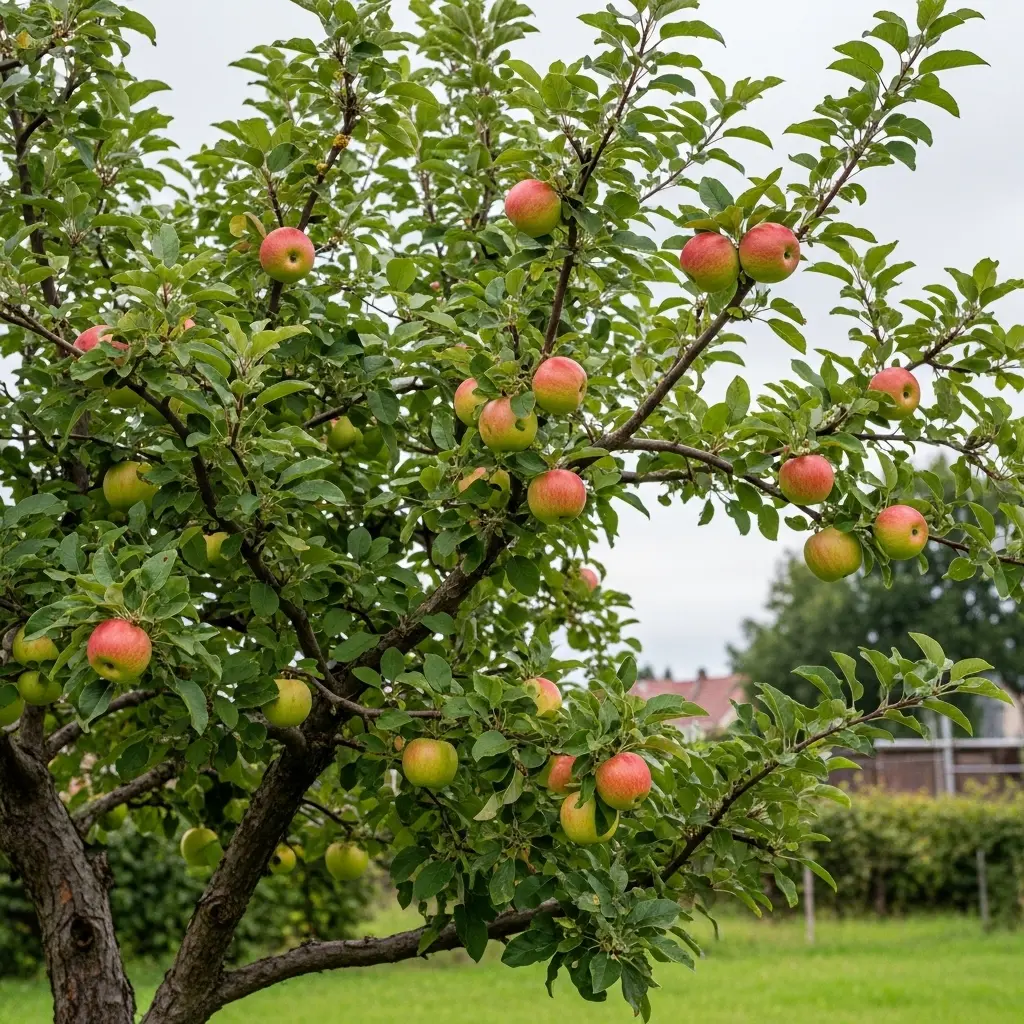

Have you ever bitten into a fresh, crisp apple straight from the tree? There’s something magical about growing your own fruit that store-bought produce simply can’t match. Growing apple trees at home might seem intimidating, but it’s actually quite achievable with the right approach. Not only will you enjoy the satisfaction of harvesting your own apples, but homegrown varieties often taste better and contain fewer chemicals than commercial options. With a bit of patience and care, your backyard can become a thriving apple orchard, providing delicious, nutritious fruit for years to come.
Table of Contents
Materials & Supplies

To get started with your apple tree journey, you’ll need:
- Apple tree saplings: Choose 1-2 year old grafted trees from varieties suitable for your climate zone
- Soil testing kit: To determine pH and nutrient levels
- Compost or aged manure: For soil enrichment
- Garden spade and fork: For digging and soil preparation
- Mulch: Straw, wood chips, or bark to retain moisture
- Watering can or hose: With gentle spray attachment
- Pruning shears: Sharp and clean for proper pruning
- Tree stakes and ties: To support young trees (optional)
- Organic fertilizer: Specifically formulated for fruit trees
- Protective mesh or fencing: To protect young trees from animals and pests
Timing / Growing Schedule
Apple trees are typically planted in early spring or late fall when the tree is dormant. Expect 3-5 years from planting until your first significant harvest, though some dwarf varieties may produce fruit earlier. The annual growth cycle includes spring flowering (April-May), summer fruit development, fall harvesting (August-October depending on variety), and winter dormancy. Most apple varieties require 800-1,600 chill hours (temperatures between 32-45°F) during winter to produce properly the following season.
Step-by-Step Instructions

Select the right location: Choose a spot with 6-8 hours of daily sunlight and good air circulation. Most apple varieties need a pollination partner nearby, so plan for at least two compatible trees.
Prepare the soil: Test soil pH (ideally 6.0-7.0) and amend as needed. Dig a hole twice as wide as the root ball and incorporate compost.
Plant carefully: Place the tree so the graft union (visible bulge on lower trunk) sits 2-3 inches above soil level. Backfill with soil, tamp gently, and water thoroughly.
Establish watering routine: Deep water weekly during the first growing season, providing about 1 gallon per week. Established trees need consistent moisture, especially during fruit development.
Apply mulch: Spread 2-3 inches of mulch around the tree, keeping it 3 inches away from the trunk to prevent rot and pest problems.
Prune properly: In winter, remove dead branches and shape the tree to an open center or central leader form to improve air circulation and light penetration.
Nutritional Benefits / Advantages
Homegrown apples are nutritional powerhouses, rich in fiber, vitamin C, potassium, and antioxidants. Research suggests regular apple consumption may help lower cholesterol, improve heart health, and reduce the risk of type 2 diabetes. Growing your own allows you to avoid pesticides and preservatives while ensuring peak freshness and nutrient content. Plus, apple trees improve air quality, provide habitat for beneficial insects, and enhance your landscape with beautiful spring blossoms.
Tips, Alternative Methods, or Gardening Advice
For limited spaces, consider dwarf or columnar apple varieties that thrive in containers or small yards. In colder regions, choose cold-hardy varieties like ‘Honeycrisp’ or ‘McIntosh.’ For organic growing, introduce beneficial insects like ladybugs to control aphids naturally. In warmer climates with fewer chill hours, select low-chill varieties such as ‘Anna’ or ‘Dorsett Golden’ for better fruit production.
Common Mistakes to Avoid
- Improper pollination planning: Most apple trees aren’t self-fertile; plant compatible varieties within 50 feet.
- Neglecting early training: Failure to establish proper branch structure leads to poor production and potential branch breakage.
- Inconsistent watering: Fluctuations cause stress and fruit drop; use drip irrigation for consistency.
- Ignoring pest management: Monitor regularly for signs of apple maggot, coddling moth, or fire blight to address issues before they spread.
- Over-fertilizing: Too much nitrogen produces excessive foliage at the expense of fruit; follow recommended application rates.
Storage / Maintenance Tips
Harvest apples when they twist easily off the branch with a gentle turn. Store unwashed apples in a cool (32-36°F), humid environment for up to 3-6 months depending on variety. For ongoing maintenance, fertilize lightly in early spring, prune annually during dormancy, and refresh mulch seasonally. Apply dormant oil spray in late winter to control overwintering pests, and thin developing fruit clusters in spring to ensure larger, healthier apples.
Conclusion
Growing apple trees at home is a rewarding journey that connects you with nature while providing delicious, nutritious fruit for your family. Though it requires patience, the minimal effort involved yields years of abundant harvests. Start with the right varieties for your region, give them proper care, and soon you’ll enjoy the simple pleasure of plucking sun-warmed apples from your very own trees. Ready to experience the joy of homegrown apples? Get planting this season!
FAQs
How long does it take for apple trees to bear fruit?
Most standard apple trees take 4-8 years to produce significant harvests, while dwarf varieties may begin bearing fruit within 2-3 years of planting.
Do I need to spray my apple trees with pesticides?
No, home orchards can thrive with organic methods like introducing beneficial insects, using neem oil, and practicing good sanitation by removing fallen fruit.
Can I grow apple trees in containers?
Yes, dwarf and super-dwarf varieties grow well in large containers (at least 20 gallons) with proper drainage, though they’ll need more frequent watering and fertilizing.
How do I know when my apples are ready to harvest?
Test by gently lifting and twisting—ripe apples release easily. Background color changing from green to yellow (for most varieties) and seeds turning brown are also indicators of ripeness.