
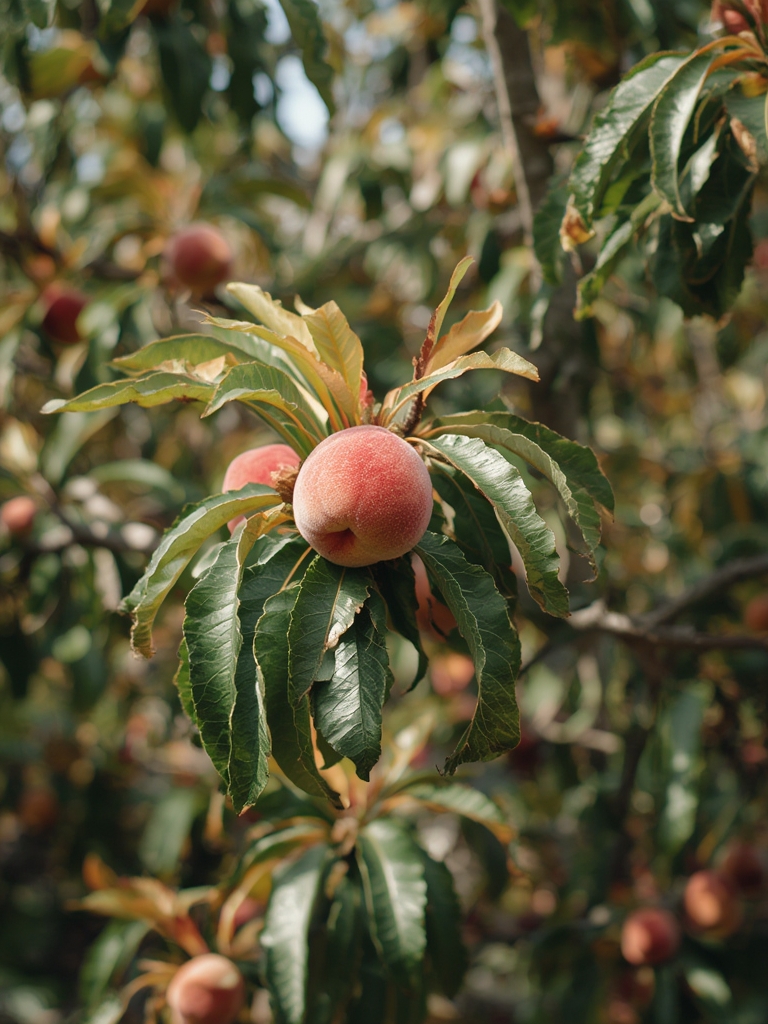

Have you ever bitten into a perfectly ripe peach, its sweet juice dripping down your chin, and wondered if you could grow that same delicious fruit in your own backyard? Growing your own peach tree offers not just the reward of fresh fruit but also the joy of nurturing something beautiful from sapling to maturity. With proper care and attention, a single peach tree can provide your family with bushels of nutritious fruit for years to come, saving you money while ensuring you know exactly how your food was grown. Whether you have a spacious yard or just a sunny patio, peach trees can thrive in various settings with the right approach.
Table of Contents
Materials & Supplies

To start your peach tree journey, you’ll need:
- Peach tree sapling: Choose a variety suited to your climate zone (freestone varieties like ‘Elberta’ or ‘Redhaven’ are popular)
- Garden shovel and spade: For digging and planting
- Compost or organic matter: To improve soil structure
- Mulch: Wood chips or straw to retain moisture
- Garden pruners: For shaping and maintaining tree health
- Watering equipment: Hose, watering can, or drip irrigation system
- Soil pH test kit: Peach trees prefer slightly acidic soil (pH 6.0-6.5)
- Protective tree guards: To prevent rodent damage (optional)
- Support stakes: For young trees (optional)
- Organic fertilizer: Specifically formulated for fruit trees
Timing / Growing Schedule
Peach trees are best planted in late winter or early spring while dormant. After planting, expect:
- Year 1-2: Establishment period with minimal fruit production
- Years 3-5: Increasing fruit yields (10-50 peaches)
- Years 6+: Full production (up to 150+ peaches per season)
The growing season runs from spring bloom (usually March-April) to harvest in mid to late summer (July-September), depending on your climate and variety. This timeline is significantly shorter than apple trees, which can take 5-8 years to reach full production.
Step-by-Step Instructions
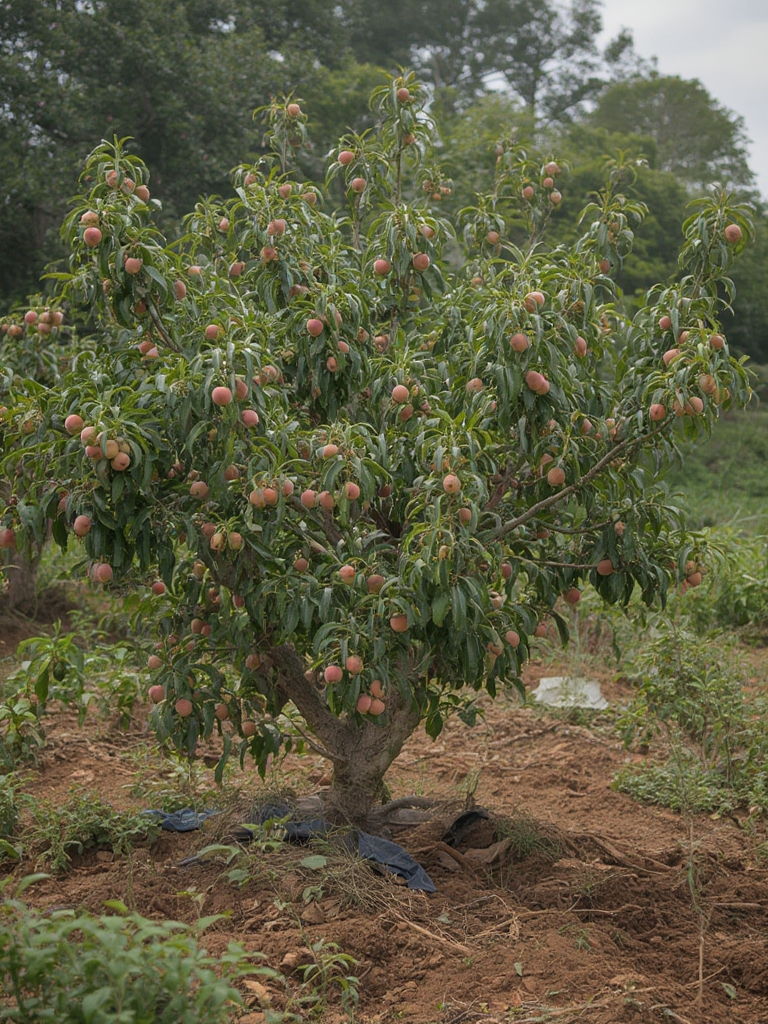
Select the right location: Choose a spot with 6+ hours of direct sunlight and good air circulation. Tip: South-facing locations often provide optimal sunlight exposure.
Prepare the soil: Dig a hole twice as wide but the same depth as the root ball. Mix native soil with compost to improve drainage and fertility.
Plant your tree: Position the tree so the graft union (visible bump on the trunk) sits 2-3 inches above soil level to prevent rot.
Water thoroughly: Create a small soil basin around the tree and water deeply. Keep soil consistently moist but not waterlogged during the first growing season.
Apply mulch: Spread 2-3 inches of mulch in a circle around the tree, keeping it 3-4 inches away from the trunk to prevent rot and pest issues.
Prune for structure: In late winter, prune to create an open “vase” shape that allows sunlight to reach all branches. Remove any damaged or crossing branches.
Thin fruit: When fruits reach marble size, thin them to space peaches 6-8 inches apart to increase size and prevent branch breakage.
Nutritional Benefits
Homegrown peaches provide excellent nutrition with high levels of vitamins A and C, potassium, and fiber. They contain antioxidants that may help reduce inflammation and boost immune function. Growing your own means you can enjoy tree-ripened fruit with maximum flavor and nutrient content—store-bought peaches are typically harvested before peak ripeness to withstand shipping.
Tips and Alternative Methods
- Container growing: For small spaces, dwarf varieties like ‘Bonanza’ can thrive in 15-20 gallon containers.
- Climate adaptations: In colder regions, plant trees near south-facing walls for additional warmth and protection.
- Companion planting: Grow lavender or marigolds nearby to attract pollinators and repel certain pests.
- Natural pest management: Introduce beneficial insects like ladybugs to control aphid populations.
- Water-saving techniques: Install drip irrigation to deliver water efficiently directly to the root zone.
Common Mistakes to Avoid
- Over-fertilizing: Excess nitrogen promotes leafy growth at the expense of fruit. Solution: Use balanced, slow-release fertilizers specifically for fruit trees.
- Improper pruning: Cutting too much or at the wrong time can reduce harvest. Solution: Learn basic pruning techniques and timing for peach trees.
- Ignoring signs of disease: Peach leaf curl and brown rot can devastate trees. Solution: Monitor regularly and apply organic fungicides preventatively.
- Inadequate pollination: Poor fruit set can result from lack of pollinators. Solution: Plant pollinator-friendly flowers nearby or hand-pollinate.
Storage / Maintenance Tips
Water deeply once weekly during growing season, more during drought. Fertilize lightly in early spring with a balanced organic fertilizer. Prune annually in late winter to maintain shape and remove diseased wood. For harvested peaches, store at room temperature until fully ripe, then refrigerate for up to 5 days. For longer storage, slice and freeze peaches or can them as preserves.
Conclusion
Growing your own peach tree combines the satisfaction of gardening with the reward of delicious, nutritious fruit. With proper planning, consistent care, and patience, you’ll be enjoying sun-warmed peaches straight from the tree for many summers to come. Start your peach-growing journey this season and experience the satisfaction of harvesting your very own homegrown fruit. Have you grown peaches before? Share your experiences in the comments!
FAQs
How long does it take a peach tree to bear fruit?
Most peach trees begin producing small crops in their third year after planting, reaching full production by years 5-6.
Do I need two peach trees for pollination?
No, most peach varieties are self-pollinating, meaning a single tree can produce fruit on its own.
How do I prevent peach leaf curl?
Apply a copper-based fungicide in late fall after leaf drop and again in early spring before bud break.
Can peach trees grow in cold climates?
Yes, with proper variety selection. Look for cold-hardy cultivars like ‘Reliance’ or ‘Contender’ that can withstand temperatures to -20°F.
How often should I prune my peach tree?
Prune annually during late winter dormancy to maintain an open center, remove damaged wood, and encourage new fruiting wood.