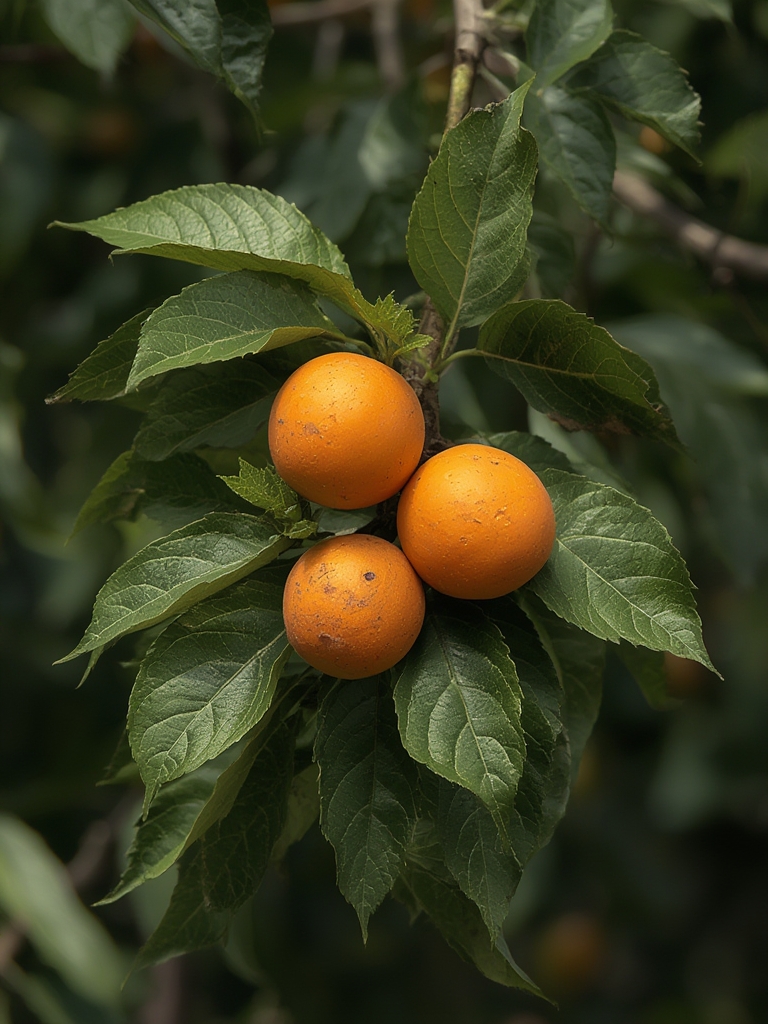

Have you ever considered growing a fruit tree that’s native to North America, resilient, and produces delicious sweet fruits that taste like honey with hints of apricot? The American persimmon (Diospyros virginiana) might be your perfect addition to a home orchard or landscape. Unlike their Asian cousins, American persimmons are more cold-hardy and disease-resistant, making them excellent choices for sustainable home gardens. Growing these magnificent trees connects you with American agricultural heritage while providing delectable fruits that are difficult to find in commercial markets.
Table of Contents
Materials & Supplies
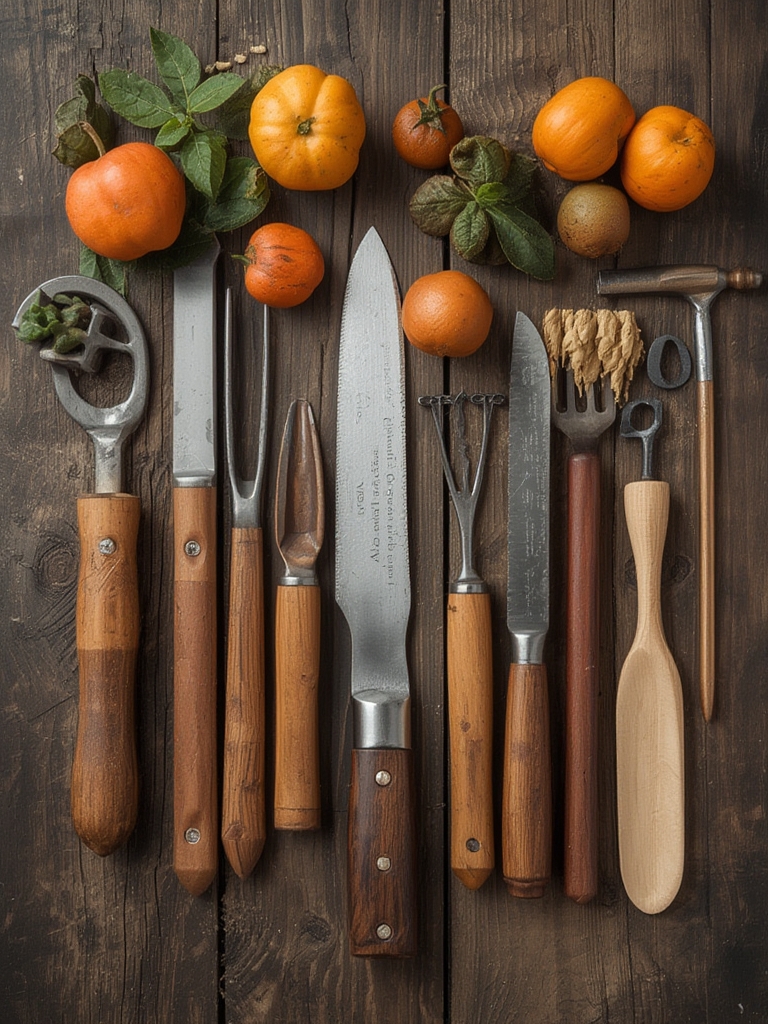
To successfully grow American persimmon trees, you’ll need:
- Persimmon seedlings or grafted trees: Purchase from reputable nurseries specializing in native trees
- Compost or organic matter: For soil amendment (2-3 cubic feet per tree)
- Shovel and garden fork: For digging and loosening soil
- Mulch: Hardwood chips or straw (3-4 inches deep)
- Watering equipment: Soaker hose or irrigation system for establishment
- Pruning tools: Hand pruners and loppers for maintenance
- pH testing kit: American persimmons prefer slightly acidic soil (pH 6.0-6.5)
- Optional: Tree guards for protection from animals and sun scald
Timing / Growing Schedule
American persimmons should be planted in early spring or fall when trees are dormant. Expect a waiting period of 3-5 years before fruiting begins for grafted trees, while seedlings may take 5-10 years to produce. Harvest typically occurs from late September through November, after the first light frost when fruits soften and drop from the tree. This corresponds well with fall holiday preparations, giving you fresh persimmons just in time for Thanksgiving recipes.
Step-by-Step Instructions

Select the right location: Choose a spot with full sun (at least 6 hours daily) and well-draining soil. Allow 20-25 feet spacing for mature trees.
Prepare the planting hole: Dig a hole twice as wide as the root ball but no deeper. Incorporate compost into the backfill soil.
Plant correctly: Position the tree so the root flare is slightly above ground level. This prevents crown rot and encourages better establishment.
Water thoroughly: Create a soil basin around the tree and water deeply after planting. Apply 1-2 gallons weekly during the first growing season.
Apply mulch: Spread 3-4 inches of mulch in a 3-foot circle around the tree, keeping it away from the trunk to prevent rot.
Consider pollination: For reliable fruit production, plant both male and female trees (most nurseries sell known female cultivars like ‘Meader’ or ‘Prok’).
Nutritional Benefits
American persimmons are nutritional powerhouses containing high levels of vitamin C, vitamin A, and antioxidants. They’re rich in dietary fiber (about 6g per fruit) and provide significant amounts of manganese, which supports bone health and metabolism. The fruits contain beneficial compounds that may help reduce inflammation and support immune function. Unlike many commercial fruits, they require no pesticides when grown at home, making them a truly organic addition to your diet.
Tips and Alternative Methods
- Container growing: For small spaces, dwarf varieties can be grown in 25-gallon containers, though fruiting will be reduced.
- Cold climate considerations: In zones 5-6, plant trees on south-facing slopes for additional protection.
- Fruit drop management: Place netting or clean tarps under trees during ripening to collect falling fruits.
- Native landscaping: Integrate persimmons into wildlife gardens—the trees support numerous pollinators and birds.
Common Mistakes to Avoid
- Eating unripe fruit: Immature American persimmons are extremely astringent due to tannins. Wait until fruits are completely soft and jelly-like.
- Over-fertilizing: Excessive nitrogen leads to reduced fruiting. Use a balanced organic fertilizer sparingly.
- Improper pruning: Avoid heavy pruning, which can delay fruit production for years.
- Ignoring gender: Unlike Asian varieties, most American persimmons are dioecious (separate male and female trees).
Storage / Maintenance Tips
After harvest, ripe persimmons can be stored in the refrigerator for 2-3 days. For longer preservation, remove the pulp and freeze in airtight containers for up to 6 months. For tree maintenance, prune lightly in late winter to remove dead or crossing branches. Fertilize sparingly in spring with compost or a low-nitrogen organic fertilizer. Watch for deer browsing, which can damage young trees.
Conclusion
Growing American persimmons connects you with a truly native fruit that offers unique flavors and numerous health benefits. While they require some patience during establishment, these trees reward gardeners with decades of beautiful foliage, fall color, and delicious fruits. Start your persimmon journey today—your future self will thank you when you’re enjoying homegrown persimmon pudding or cookies during holiday seasons for years to come.
FAQs
How can I tell male from female persimmon trees?
Female trees produce small, inconspicuous flowers with rounded bases, while male flowers appear in clusters and are more bell-shaped.
Do American persimmons need cross-pollination?
Yes, most American persimmons are dioecious and require separate male and female trees for fruit production, though some cultivars are self-fertile.
How do I know when persimmons are ripe?
Ripe American persimmons will be soft, wrinkled, and often fall naturally from the tree. They typically ripen after the first light frost.
Can I grow American persimmons from seed?
Yes, but they take longer to fruit (5-10 years) and won’t produce trees identical to the parent. For reliable traits, choose grafted varieties.
How do American persimmons differ from Asian varieties?
American persimmons are smaller (1-2 inches), extremely sweet when ripe, and more cold-hardy than their Asian counterparts. They’re also more astringent when unripe.