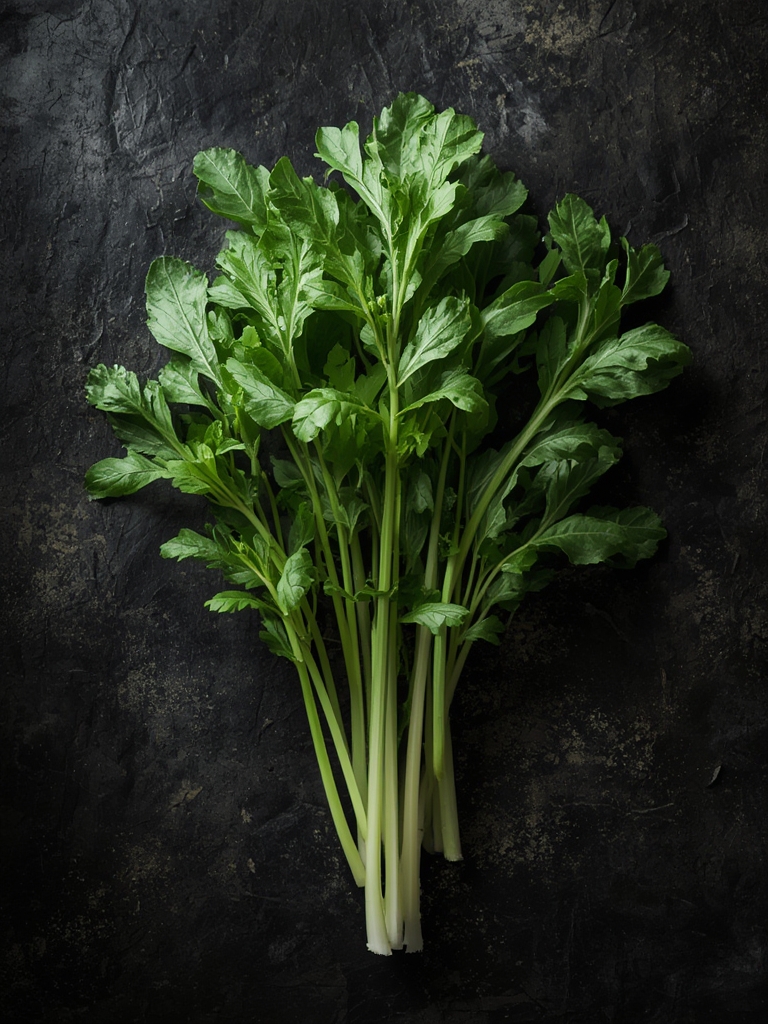

Have you ever wondered why arugula seems to sprout almost overnight compared to other leafy greens? This peppery, distinctive green has become a favorite among home gardeners precisely because of its rapid growth cycle and bold flavor profile. Growing arugula at home not only provides you with a continuous supply of fresh, nutrient-dense greens but also allows you to experience flavors far more intense than store-bought varieties. Whether you’re a seasoned gardener or just starting out, arugula offers a rewarding and quick-growing addition to your garden that can transform your meals with minimal effort.
Table of Contents
Materials & Supplies

To successfully grow flavorful arugula at home, you’ll need:
- Seeds: Choose high-quality arugula seeds from reputable suppliers (wild rocket varieties offer more intense flavor)
- Growing medium: Nutrient-rich potting soil or garden soil amended with compost
- Containers: Shallow trays for seedlings or 6-8 inch deep pots for mature plants (drainage holes essential)
- Watering can: With fine spray nozzle to avoid displacing seeds
- Organic fertilizer: Liquid seaweed or balanced organic fertilizer (optional but recommended)
- pH testing kit: Arugula prefers slightly acidic soil (pH 6.0-7.0)
- Row covers or shade cloth: For summer plantings to prevent bolting
- Garden scissors or knife: For clean harvesting that promotes regrowth
Timing / Growing Schedule
Arugula’s impressive growth rate is one of its defining characteristics. From seed to harvest, expect just 35-45 days for full-sized leaves, though baby arugula can be harvested in as little as 21 days. This makes arugula one of the fastest-growing leafy vegetables available—significantly quicker than spinach (45 days), lettuce (60 days), or kale (60+ days).
For continuous harvests, stagger plantings every 2-3 weeks throughout spring and fall. Arugula grows best in cooler temperatures between 45-65°F (7-18°C), making it perfect for early spring and fall gardens in most climates.
Step-by-Step Instructions
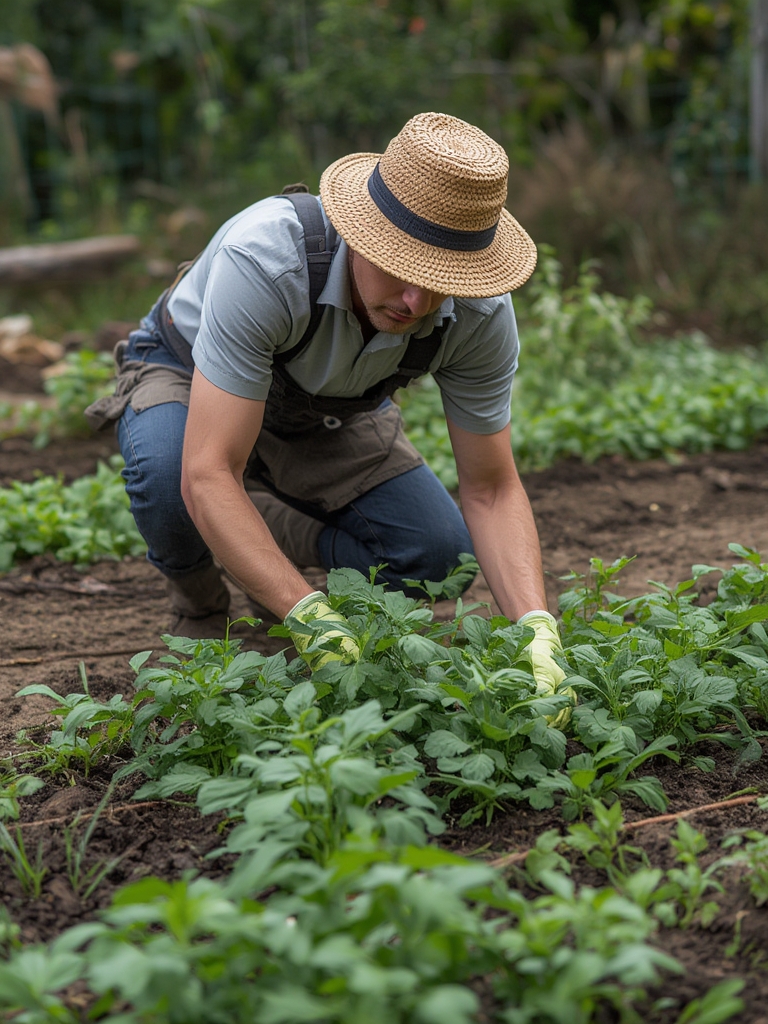
Prepare your growing area: Choose a location with partial sun (morning sun, afternoon shade in warmer climates). Loosen soil to a depth of 6 inches and incorporate 1-2 inches of compost.
Sow seeds directly: Scatter seeds thinly over prepared soil or sow in rows 1/4 inch deep and 3-4 inches apart. For container growing, sprinkle seeds evenly and cover lightly with soil.
Water gently: Keep soil consistently moist but not waterlogged. Pro tip: Use a spray bottle for initial watering to avoid displacing seeds.
Thin seedlings: When plants reach 1-2 inches tall, thin to 3-4 inches apart to promote air circulation and proper development. Don’t discard the thinnings—they’re perfect for salads!
Fertilize lightly: Apply diluted liquid organic fertilizer after the first true leaves appear. Avoid heavy nitrogen which can reduce flavor intensity.
Harvest regularly: Begin harvesting outer leaves when plants reach 2-3 inches tall. For maximum flavor, harvest in the morning before the day heats up.
Nutritional Benefits
Arugula packs impressive nutritional value, containing high levels of vitamin K, calcium, potassium, and antioxidants. Just one cup provides over 100% of your daily vitamin K requirements. It’s exceptionally rich in glucosinolates—compounds that give arugula its distinctive peppery taste and have been linked to cancer-preventing properties. Home-grown arugula typically contains 3-4 times more of these beneficial compounds than commercially grown varieties, particularly when exposed to slight stress through moderate water restriction before harvest.
Tips, Alternative Methods, or Gardening Advice
For container gardening, choose wide, shallow containers at least 6 inches deep. Arugula thrives in window boxes, salad tables, or even repurposed plastic containers. In hot climates, grow arugula indoors near a bright window or under grow lights.
To extend your growing season, use row covers in early spring or late fall to protect plants from frost. For summer growing, select bolt-resistant varieties like ‘Astro’ or ‘Sylvetta’ and provide afternoon shade to delay flowering.
For maximum flavor development, slightly underwater plants (without allowing wilting) for 2-3 days before harvest—this mild stress increases the concentration of flavor compounds.
Common Mistakes to Avoid
- Overwatering: Causes root rot and dilutes flavor. Solution: Allow soil surface to dry slightly between waterings.
- Planting too deep: Results in poor germination. Solution: Sow seeds no deeper than 1/4 inch.
- Harvesting incorrectly: Cutting entire plants instead of outer leaves. Solution: Harvest outer leaves first, allowing center to continue producing.
- Ignoring bolting signs: Flowering makes leaves bitter. Solution: Harvest immediately if plants begin stretching upward or forming flower buds.
- Overcrowding: Leads to disease and stunted growth. Solution: Thin seedlings properly and provide adequate spacing.
Storage / Maintenance Tips
Store harvested arugula unwashed in a perforated plastic bag in the refrigerator crisper drawer for up to 5 days. For longer-term storage, blend with olive oil and freeze in ice cube trays.
For ongoing care, maintain even soil moisture and fertilize lightly every 3-4 weeks. Remove yellowing leaves promptly. In hot weather, provide afternoon shade to prevent bolting. When plants eventually bolt, allow some to flower for beneficial insects and seed collection.
Conclusion
Arugula’s rapid growth cycle, distinctive flavor, and impressive nutritional profile make it one of the most rewarding greens for home gardeners. By understanding its growth habits and implementing the strategies outlined above, you can enjoy continuous harvests of this peppery green with minimal effort. Remember that slightly stressing your plants before harvest can maximize that signature pungent flavor that makes arugula so special. Why not start a small batch this weekend? Your salads, sandwiches, and pizzas will thank you!
FAQs
Why does my arugula taste bitter?
Bitterness usually indicates the plant is bolting due to heat or age. Harvest immediately and replant in a cooler location or during cooler seasons.
Can I grow arugula indoors year-round?
Yes! Arugula grows well indoors near a south-facing window or under grow lights. Ensure good air circulation and maintain temperatures below 70°F for best flavor.
How can I prevent pests on my arugula?
Floating row covers prevent flea beetles and leaf miners. Companion planting with herbs like mint, basil, or thyme also deters many common pests.
Why are my arugula seedlings falling over?
This is likely “damping off” disease caused by fungi. Prevent by using sterile soil, avoiding overwatering, and ensuring good air circulation around seedlings.