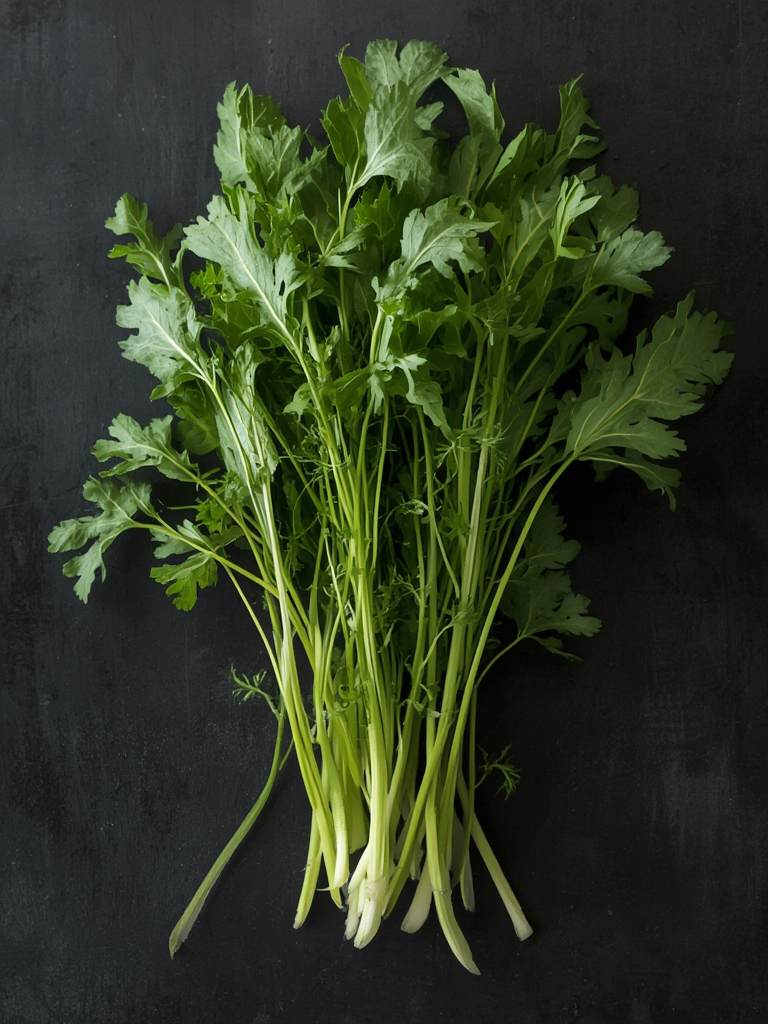

Ever noticed how arugula seems to pop up in your garden almost overnight? This peppery green is one of the fastest-growing leafy vegetables you can cultivate, often ready for harvest in as little as 3-4 weeks. But why does arugula grow so quickly, and how can you optimize its growth for better yields? Whether you’re a beginner gardener or a seasoned green thumb, growing arugula at home offers a quick, rewarding experience while providing fresh, nutrient-dense greens right at your fingertips.
Table of Contents
Materials & Supplies
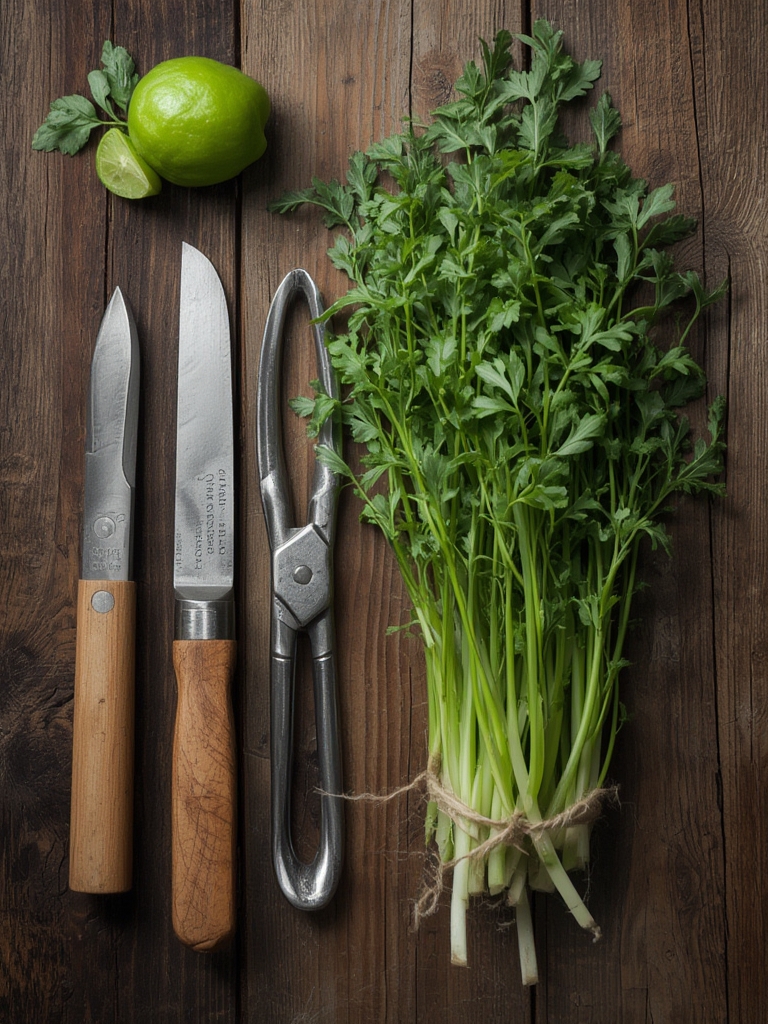
To successfully grow arugula, you’ll need:
- Arugula seeds: Choose standard varieties like ‘Rocket’ or ‘Astro,’ or try wild arugula for a more intense flavor
- Growing containers: Any 4-6 inch deep container with drainage holes works well
- Quality potting soil: A lightweight mix with good drainage, preferably enriched with compost
- Organic fertilizer: A balanced, slow-release option (optional but beneficial)
- Watering can: With fine spray for gentle watering
- Garden trowel: For transplanting seedlings if needed
- Row covers or shade cloth: For summer growing to prevent bolting
- Scissors or garden shears: For harvesting without damaging plants
Timing / Growing Schedule
Arugula thrives in cooler temperatures, making spring and fall the ideal growing seasons. From seed to harvest, expect:
- Germination: 3-7 days (significantly faster than most vegetables)
- Baby leaf harvest: 20-25 days after planting
- Full-size leaves: 35-45 days
- Bolt prevention period: Plant in early spring or late summer when temperatures are 60-70°F (15-21°C)
For continuous harvests, sow new seeds every 2-3 weeks. Compared to spinach (30-40 days) and lettuce (45-55 days), arugula’s quick growth cycle makes it perfect for impatient gardeners.
Step-by-Step Instructions
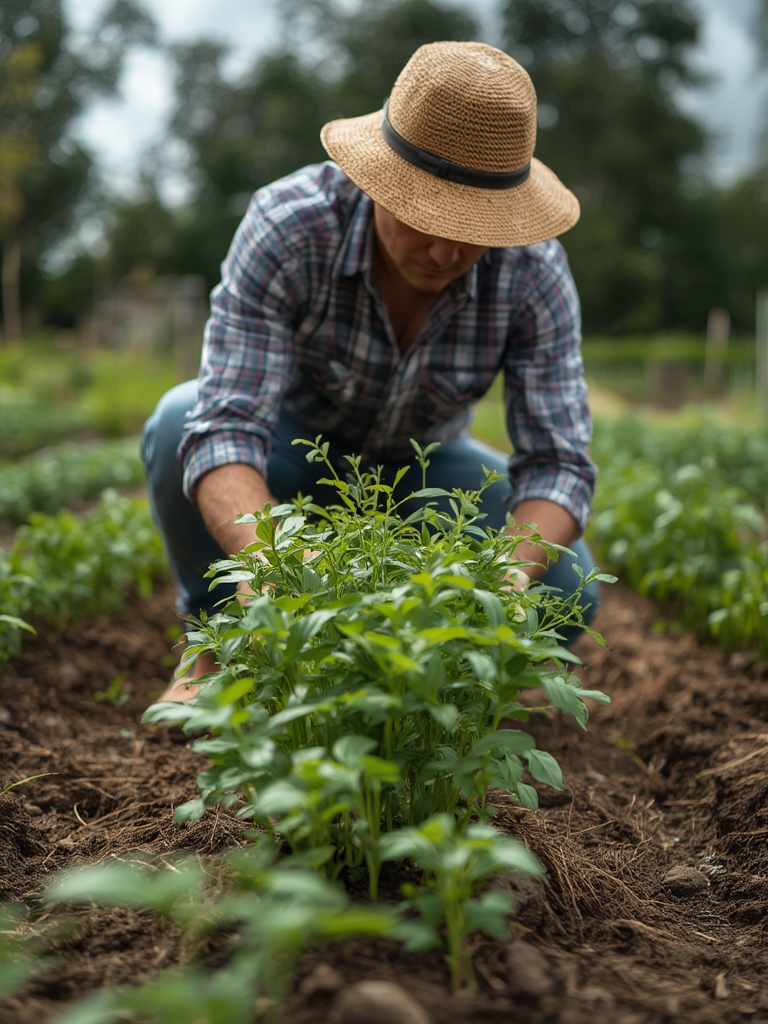
Prepare your growing area: Choose a spot with partial sun in warmer climates or full sun in cooler regions. Enrich the soil with compost to improve drainage and fertility.
Sow seeds directly: Sprinkle seeds thinly, about ¼ inch deep and 1 inch apart. For containers, scatter seeds lightly across the surface and cover with a thin layer of soil.
Water gently: Keep soil consistently moist but not waterlogged. Pro tip: Use a misting spray for initial watering to avoid displacing the small seeds.
Thin seedlings: Once they reach 1-2 inches tall, thin plants to stand 3-4 inches apart. Don’t discard the thinnings – they’re perfectly edible in salads!
Maintain moisture: Arugula needs consistent moisture to prevent bitter leaves. Apply a light mulch to retain soil moisture in warm weather.
Harvest correctly: Begin harvesting outer leaves when they reach 2-3 inches. For cut-and-come-again harvesting, snip leaves 1 inch above soil line to promote regrowth.
Nutritional Benefits
Arugula packs an impressive nutritional punch, containing:
- High levels of vitamin K for bone health
- Significant amounts of calcium, potassium, and folate
- Cancer-fighting glucosinolates and antioxidants
- Nitrates that may lower blood pressure and improve exercise performance
- Only 5 calories per cup while providing 0.5g of fiber
Tips and Alternative Methods
- Indoor growing: Arugula grows well in sunny windowsills or under grow lights
- Container combinations: Pair with slower-growing herbs like parsley for space efficiency
- Succession planting: For year-round harvests, plant new batches every 2-3 weeks
- Microgreens option: Harvest at 10-14 days for nutrient-dense microgreens
- Hydroponics: Arugula thrives in simple hydroponic systems, growing even faster than in soil
Common Mistakes to Avoid
- Overwatering: Causes root rot and fungal issues. Solution: Allow soil surface to dry slightly between waterings.
- Planting too deep: Prevents proper germination. Solution: Barely cover seeds with soil (¼ inch maximum).
- Ignoring temperature: Hot weather causes bitter taste and bolting. Solution: Provide afternoon shade or grow during cooler seasons.
- Harvesting incorrectly: Pulling entire plants instead of select leaves. Solution: Use scissors to cut outer leaves first.
Storage / Maintenance Tips
Store harvested arugula by wrapping unwashed leaves in a damp paper towel inside a perforated plastic bag in the refrigerator for up to 5-7 days. For ongoing plant care, provide consistent moisture, harvest regularly to encourage new growth, and apply a diluted organic fertilizer every 3-4 weeks.
Conclusion
Arugula’s rapid growth, minimal care requirements, and exceptional nutritional profile make it an ideal crop for both new and experienced gardeners. By following these guidelines and avoiding common pitfalls, you’ll enjoy multiple harvests of this peppery green throughout the growing season. Why not start a batch this weekend? Your salads will thank you!
FAQs
Why does my arugula taste extremely bitter?
Bitter arugula usually results from heat stress or over-maturity. Harvest younger leaves and provide afternoon shade during hot weather.
Can I save arugula seeds for next season?
Yes! Allow a few plants to flower and form seed pods. Once pods turn brown and dry, collect seeds and store in a cool, dry place.
How do I prevent pests on my arugula?
Use row covers to block flea beetles and cabbage worms. Alternatively, companion plant with aromatic herbs like basil or thyme to confuse pests.
Is wild arugula better than regular arugula?
Wild arugula (Diplotaxis tenuifolia) has a more intense flavor and slower growth but greater heat tolerance than standard arugula (Eruca sativa). Choose based on your climate and taste preference.