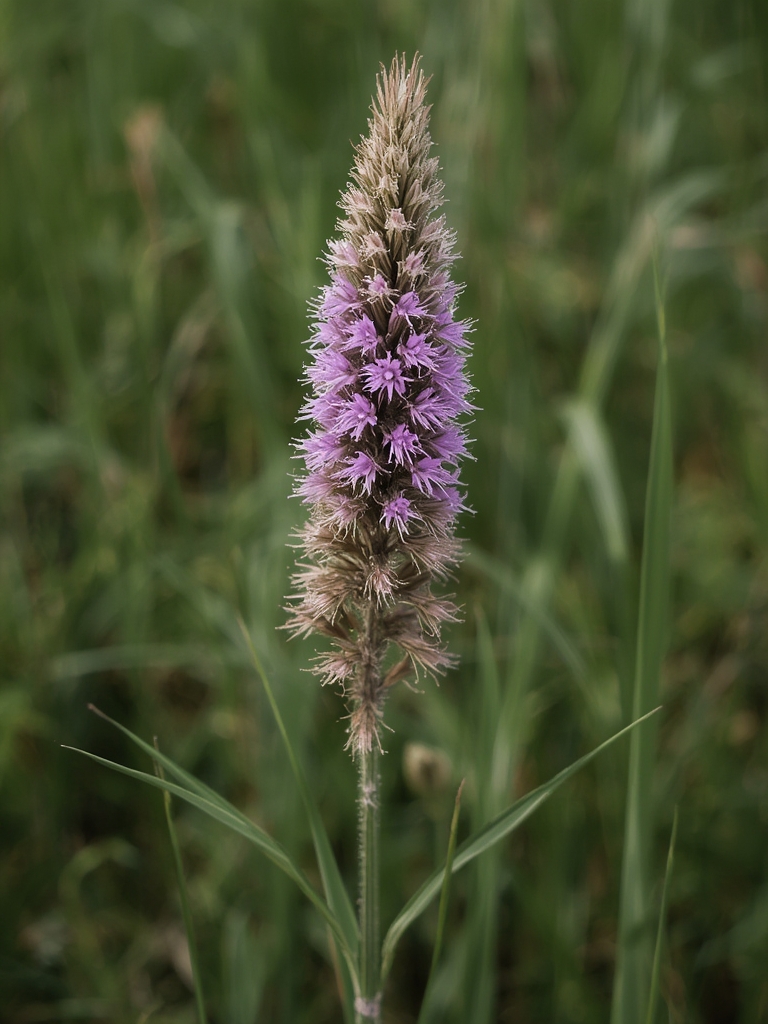

Have you been searching for a way to naturally improve your soil health while reducing fertilizer costs? Hairy vetch might be the solution you’ve been overlooking. This remarkable legume has been gaining popularity among both commercial farmers and home gardeners for its impressive soil-building capabilities. Hairy vetch, with its delicate purple flowers and nitrogen-fixing properties, transforms depleted soil into a nutrient-rich growing medium that can dramatically boost your garden’s productivity. Whether you’re managing acres of farmland or a modest backyard garden, incorporating hairy vetch into your rotation can be a game-changer for sustainable growing.
Table of Contents
Materials & Supplies
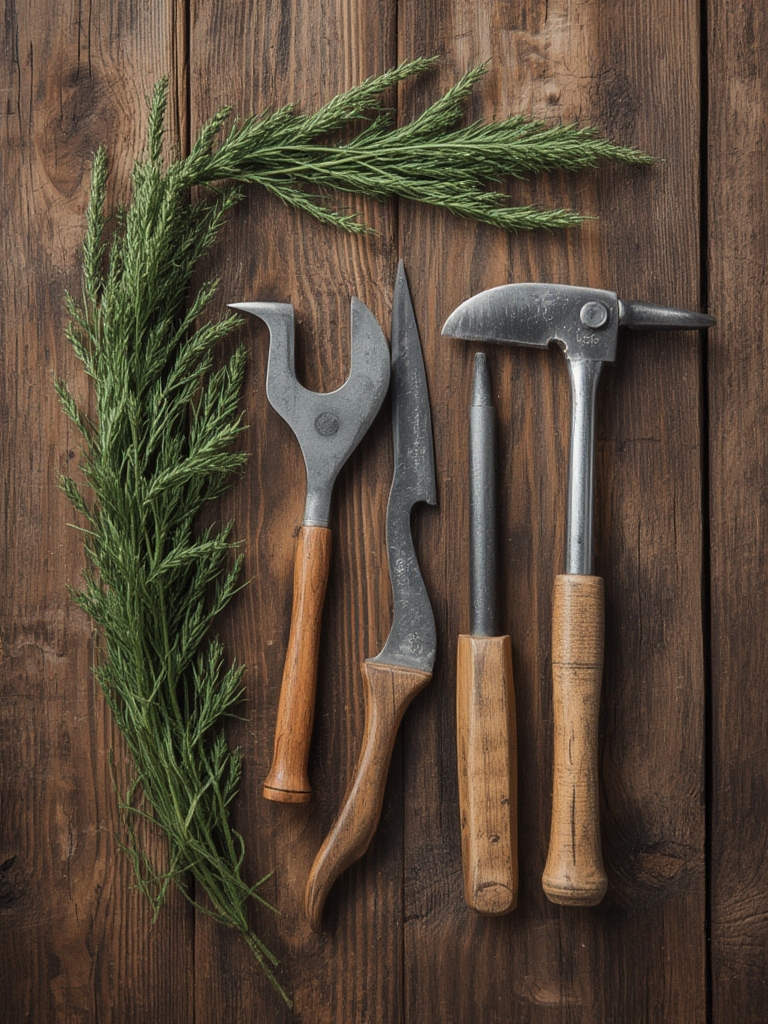
To successfully grow hairy vetch, you’ll need:
- Hairy vetch seeds (5-10 pounds per acre or 1/2 pound per 1,000 square feet)
- Inoculant specifically for vetch to ensure proper nitrogen fixation
- Basic garden tools – rake, hoe, or garden fork for soil preparation
- Broadcast spreader (optional but helpful for even distribution)
- Crimping tool or mower (for terminating the cover crop)
- Compost or basic soil amendment (for poor soils)
- pH testing kit (hairy vetch prefers slightly acidic to neutral soil)
For smaller gardens, hand broadcasting works well, eliminating the need for mechanical seeders. If your soil is particularly poor, a starter fertilizer might help establishment, though vetch is quite adaptable to various soil conditions.
Timing / Growing Schedule
Hairy vetch is typically planted in late summer to early fall (4-10 weeks before the first frost in your region). The ideal planting window allows for enough growth before winter dormancy. In most regions, this means:
- Planting: August to October, depending on your hardiness zone
- Winter dormancy: December to February
- Spring growth spurt: March to April
- Flowering and termination: May to early June
- Total growing period: 6-8 months from planting to termination
This schedule makes hairy vetch perfect for preceding summer crops like tomatoes, peppers, and corn, which benefit from the nitrogen released as the vetch breaks down.
Step-by-Step Instructions

Prepare your soil: Clear existing vegetation and lightly till or rake the top 2-3 inches of soil. Hairy vetch doesn’t require deep tillage, making it suitable for no-till or reduced-till systems.
Inoculate seeds: Mix seeds with the appropriate rhizobium inoculant immediately before planting. This critical step ensures maximum nitrogen fixation. Add a bit of water to help the inoculant stick to seeds.
Broadcast seeds: Scatter seeds at a rate of 20-40 pounds per acre or 1/2 pound per 1,000 square feet. For better establishment, slightly increase rates for broadcasting compared to drilling.
Cover lightly: Rake seeds in to achieve 1/4 to 1/2 inch planting depth. Avoid burying seeds too deeply as this reduces germination.
Water if necessary: If planting during a dry period, provide light irrigation to ensure germination. Once established, hairy vetch is quite drought-tolerant.
Monitor fall growth: Allow vetch to grow until winter dormancy. Aim for at least 4-6 inches of growth before the first hard freeze.
Terminate at flowering: In spring, allow vetch to grow until early flowering stage (typically 50% bloom) for maximum nitrogen contribution before terminating by mowing, rolling, crimping, or incorporating.
Nutritional Benefits / Advantages
Hairy vetch is a powerhouse cover crop that offers multiple benefits:
- Fixes 90-150 pounds of nitrogen per acre, reducing fertilizer needs
- Produces 2,000-5,000 pounds of biomass per acre, building organic matter
- Suppresses weeds through competition and mild allelopathic effects
- Prevents soil erosion during winter months when fields might otherwise be bare
- Improves soil structure and water infiltration through its extensive root system
- Attracts beneficial insects and pollinators when flowering
Tips, Alternative Methods, or Gardening Advice
- Companion planting: Combine hairy vetch with winter cereal rye or oats for better winter coverage and balanced carbon-to-nitrogen ratio.
- Small space solution: Use hairy vetch in raised beds or container gardens by planting in fall and turning under in spring before planting vegetables.
- Living mulch approach: In perennial systems, allow vetch to grow between rows of established plants, mowing periodically to release nutrients.
- No-till method: Instead of incorporating vetch, mow or crimp at flowering and plant directly into the residue for a weed-suppressing mulch.
Common Mistakes to Avoid
- Planting too late: Insufficient fall growth leads to poor winter survival and reduced benefits.
- Skipping inoculation: Without proper bacteria, nitrogen-fixing capabilities are severely diminished.
- Terminating too early: Killing vetch before flowering stage reduces nitrogen contribution.
- Letting it go to seed: Hairy vetch can become weedy if allowed to set viable seed; terminate at early to mid-flowering.
- Expecting immediate results: The full benefits of cover cropping are cumulative; soil improvement takes repeated use over multiple seasons.
Storage / Maintenance Tips
- Seed storage: Keep unused hairy vetch seeds in a cool, dry place for up to three years.
- Overwintering: No special maintenance is required during winter dormancy.
- Spring management: Monitor growth in spring and plan termination based on your planting schedule.
- Residue management: Allow 2-3 weeks between terminating vetch and planting sensitive crops to avoid potential allelopathic effects.
Conclusion
Hairy vetch stands out as an exceptional cover crop that delivers impressive returns for minimal investment. From building soil fertility to suppressing weeds and preventing erosion, this versatile legume deserves a place in your gardening or farming rotation. By following the guidance in this article, you can harness the power of this remarkable plant to create more sustainable and productive growing spaces. Start with a small area this fall, and you’ll likely find yourself expanding your hairy vetch planting in years to come as you witness its benefits firsthand.
FAQs
Can hairy vetch grow in poor or acidic soils?
Yes, hairy vetch is quite adaptable and will grow in soils with pH ranging from 5.5 to 7.5. It often performs well even in marginal soils where other cover crops struggle.
How do I know when to terminate hairy vetch?
The optimal time is when plants reach about 50% flowering stage, usually in May or early June depending on your climate. This timing maximizes nitrogen contribution while preventing self-seeding.
Can I graze animals on hairy vetch?
Yes, hairy vetch makes nutritious forage, particularly when mixed with cereal grains. However, be cautious with breeding animals as there have been rare cases of fertility issues with prolonged, exclusive vetch feeding.
Will hairy vetch come back year after year?
While hairy vetch is a winter annual, it can reseed itself if allowed to mature. For controlled cover cropping, terminate before seed set to prevent volunteer plants in subsequent seasons.