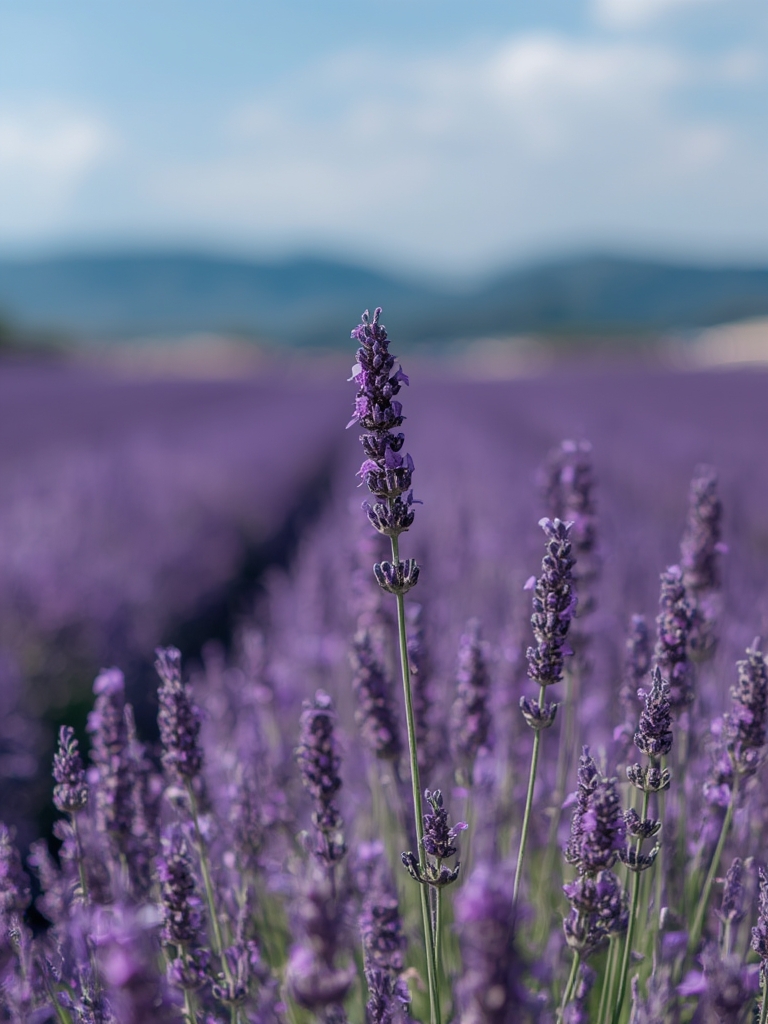

Have you ever walked through a garden and been captivated by the sweet, calming scent of lavender? This beloved Mediterranean herb isn’t just beautiful to look at and heavenly to smell—it’s also surprisingly straightforward to grow in your own garden or containers. Lavender thrives in sunny conditions and well-drained soil, making it perfect for home gardeners looking to add both visual interest and aromatic pleasure to their outdoor spaces. Growing lavender at home allows you to enjoy its soothing properties, culinary uses, and ornamental value without spending a fortune on store-bought products.
Table of Contents
Materials & Supplies
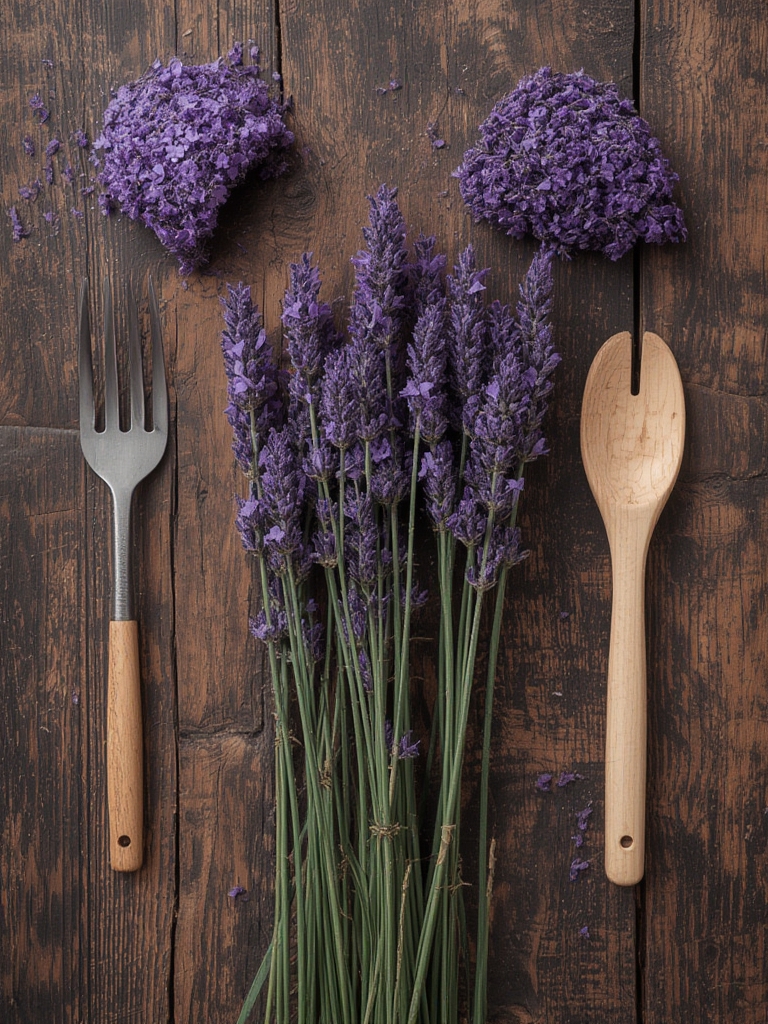
To successfully grow lavender, you’ll need:
- Lavender plants or seeds: Choose varieties suitable for your climate (English lavender for cooler regions, Spanish or French for warmer areas)
- Well-draining potting mix: Mix regular potting soil with coarse sand and perlite (ratio 2:1:1)
- Container with drainage holes: Terracotta pots are ideal as they allow excess moisture to evaporate
- Watering can with fine spout: For controlled watering
- Pruning shears: Clean and sharp for harvesting and maintenance
- Organic slow-release fertilizer: Low-nitrogen formula specifically for herbs (optional)
- Limestone or crushed eggshells: To increase soil pH if needed
- Mulch: Small pebbles or coarse sand work best for lavender (avoid organic mulches that retain moisture)
Timing / Growing Schedule
Lavender is best planted in spring after the threat of frost has passed. From planting to first bloom typically takes 90-120 days. Established plants will flower annually, usually reaching peak bloom in mid-summer. Compared to other herbs like basil or cilantro, lavender is a long-term investment—plants can live and produce for 5-10 years with proper care. Plan your garden accordingly, as lavender plants need time to establish before showing their full potential.
Step-by-Step Instructions
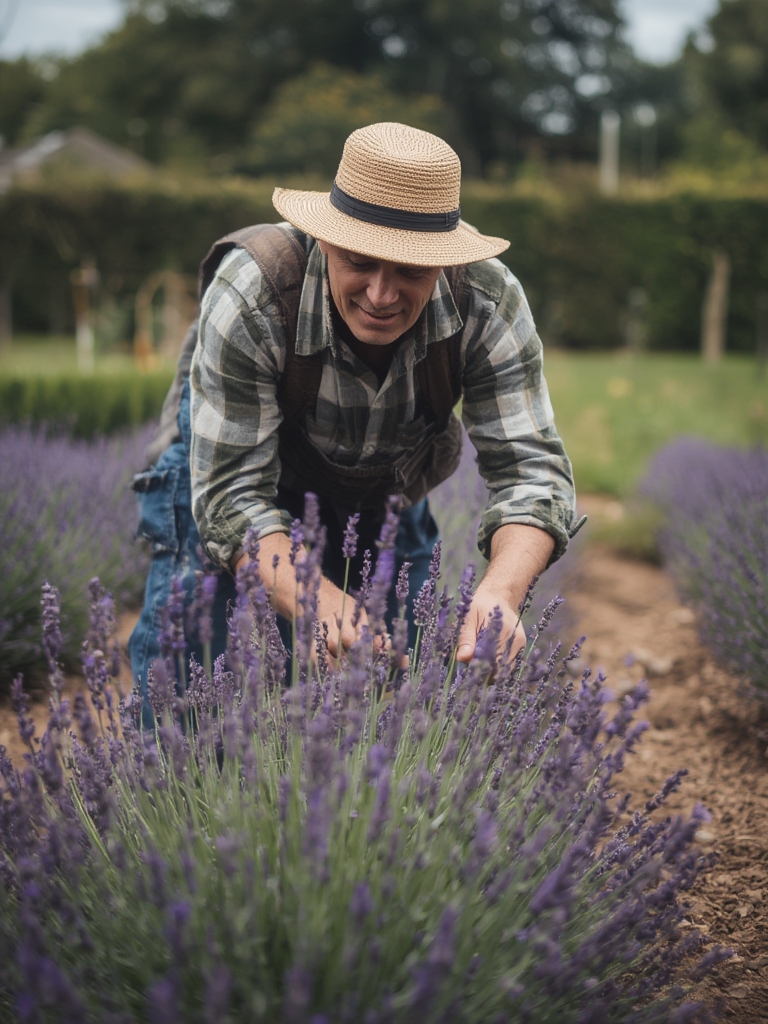
Select the right location: Choose a spot that receives 6-8 hours of direct sunlight daily. Lavender absolutely requires full sun to thrive.
Prepare the soil: Create a mix that drains exceptionally well. If planting in the ground, amend heavy soil with plenty of sand and small gravel. For containers, use the potting mix described above.
Plant properly: Dig a hole slightly larger than the root ball. Plant at the same depth as the nursery pot, making sure the base of the stems isn’t buried.
Space adequately: Allow 2-3 feet between plants for proper air circulation (18 inches for dwarf varieties).
Water judiciously: Deeply water newly planted lavender, then allow to dry completely before watering again. Once established, water only when the soil is completely dry down to 1 inch.
Prune for health: After the first flowering, trim plants back by about one-third to promote bushiness and prevent woodiness.
Nutritional Benefits / Advantages
Lavender offers numerous benefits beyond its beauty. The essential oils contain compounds with proven calming and sleep-inducing properties. Growing your own ensures access to chemical-free flowers for culinary uses, teas, sachets, and homemade beauty products. Additionally, lavender attracts beneficial pollinators like bees and butterflies while naturally repelling many garden pests.
Tips, Alternative Methods, or Gardening Advice
Lavender grows beautifully in raised beds where drainage can be controlled. For indoor growing, select dwarf varieties like ‘Munstead’ and place in south-facing windows. In humid climates, increase spacing between plants and avoid overhead watering to prevent fungal issues. In cold regions, consider growing in containers that can be moved to protected areas during winter, or choose cold-hardy varieties like ‘Hidcote’.
Common Mistakes to Avoid
- Overwatering: More lavender plants die from excess moisture than any other cause. Water less frequently than you think necessary.
- Rich soil: Avoid compost-heavy or fertilizer-rich soil which produces leggy plants with reduced fragrance.
- Insufficient sunlight: Lavender becomes stretched and weak in partial shade.
- Lack of pruning: Neglecting yearly pruning leads to woody, unproductive plants.
Storage / Maintenance Tips
Harvest lavender stems when flowers first begin to open, cutting in the morning after dew has dried. Bundle 10-15 stems together and hang upside down in a dark, dry place for 2-3 weeks. Store dried buds in airtight containers away from direct light. For plant maintenance, prune established plants in early spring, removing about one-third of growth while never cutting into woody stems. Apply a light layer of sand mulch around plants to reflect light and keep bases dry.
Conclusion
Growing lavender successfully comes down to respecting its Mediterranean origins—plenty of sun, excellent drainage, and a hands-off approach to watering. With minimal care, these gorgeous, fragrant plants will reward you with years of beautiful blooms and that distinctive calming scent. Whether you’re growing lavender for crafting, cooking, or simply enjoying its beauty in the garden, this versatile plant deserves a place in your home landscape. Ready to experience the satisfaction of growing your own lavender? Get started today and share your lavender success stories in the comments below!
FAQs
How often should I water my lavender plants?
Water newly planted lavender weekly until established, then only when the soil is completely dry 1-2 inches down. In many climates, established plants need no supplemental water beyond rainfall.
Why isn’t my lavender flowering?
Insufficient sunlight is the most common cause of poor flowering. Other factors include overly rich soil, overwatering, or lack of proper pruning in previous seasons.
Can lavender survive winter in cold climates?
English lavender varieties (Lavandula angustifolia) like ‘Munstead’ and ‘Hidcote’ can survive to USDA zone 5 with good drainage and protection. French and Spanish lavenders need warmer conditions.
How do I harvest lavender without damaging the plant?
Cut stems in the morning just as the flowers begin to open, taking no more than one-third of the plant at once. Cut above the woody part of the stems to encourage healthy regrowth.
Is it better to grow lavender from seeds or plants?
Started plants are recommended for beginners as lavender seeds germinate slowly and inconsistently. If starting from seed, expect 14-28 days for germination and allow several months before transplanting outdoors.