


Have you ever wondered how to keep your garden soil healthy and productive during those harsh winter months? Winter rye might be the answer you’ve been searching for. As temperatures drop and most plants go dormant, winter rye stands tall as a resilient cover crop that not only survives the cold but actually thrives in it. This remarkable plant offers gardeners and farmers alike a practical solution for maintaining soil health during the off-season, preventing erosion, suppressing weeds, and building organic matter for the coming spring. Winter rye’s extensive root system and rapid growth make it an ideal choice for anyone looking to protect and enhance their garden beds through winter.
Table of Contents
Materials & Supplies

To successfully grow winter rye as a cover crop, you’ll need:
- Winter rye seeds (1-2 pounds per 1,000 square feet)
- Basic garden tools (rake, hoe, or broadfork for soil preparation)
- Broadcast spreader (optional but helpful for even distribution)
- Garden gloves (for handling seeds and soil)
- Straw mulch (optional for extra protection in extremely cold climates)
- Soil test kit (to check pH and nutrient levels before planting)
- Watering can or garden hose (for initial establishment)
- Mower, scythe, or string trimmer (for termination in spring)
For smaller gardens, a simple hand-broadcasting method works well, eliminating the need for a spreader. If you’re working with very compacted soil, a garden fork or broadfork can help loosen the ground before seeding.
Timing / Growing Schedule
Winter rye should be planted 2-8 weeks before the first killing frost in your region, typically in late summer or fall. In most regions, this means:
- Northern regions (Zones 3-5): Plant in early to mid-September
- Mid-Atlantic/Midwest (Zones 6-7): Plant in late September to mid-October
- Southern regions (Zones 8-9): Plant in October to early November
The beauty of winter rye is its rapid establishment—germination occurs within 7-14 days in favorable conditions. The crop will continue growing until temperatures consistently drop below 38°F, then enter dormancy, and resume growth when temperatures rise again in spring. Plan to terminate winter rye 2-3 weeks before planting your spring garden crops.
Step-by-Step Instructions
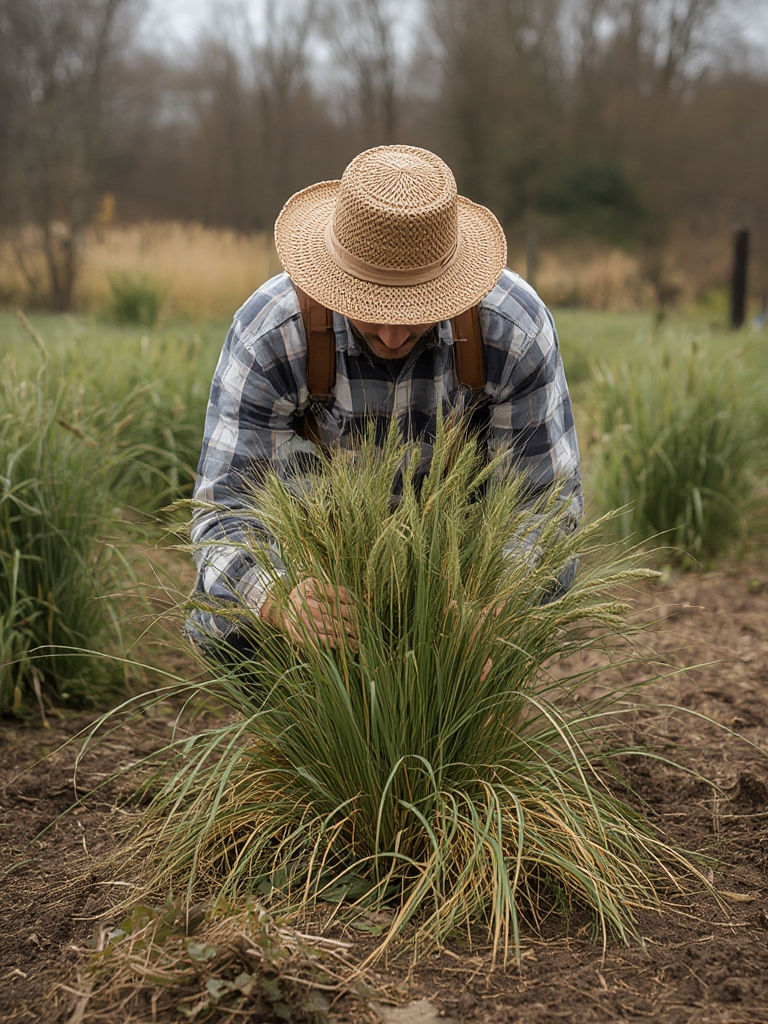
Test and prepare your soil: Clear debris and weeds from the planting area. A light raking is usually sufficient—winter rye doesn’t require deeply worked soil.
Broadcast seeds: Spread seeds at a rate of 1-2 pounds per 1,000 square feet. For heavier soils, use the higher seeding rate. Ensure even distribution by dividing your seed in half and spreading in perpendicular directions.
Incorporate seeds lightly: Rake the area gently to cover seeds with about ¼ inch of soil. Avoid burying seeds too deeply, as this can inhibit germination.
Water thoroughly: Provide a gentle, even watering to initiate germination. In autumn, natural rainfall is often sufficient, but monitor moisture levels during dry spells.
Allow growth through winter: Let nature take its course as your winter rye establishes. The plant will grow until hard freezes, then pause during winter’s coldest periods.
Terminate before spring planting: When spring arrives, cut down or mow the rye before it produces seed heads. For organic matter, either turn under the green growth (wait 2-3 weeks before planting) or use as mulch for no-till gardens.
Nutritional Benefits / Advantages
Winter rye serves as a powerful soil builder rather than a food crop in this context. Its benefits include:
- Captures and stores excess nitrogen that would otherwise leach away
- Adds organic matter to soil when incorporated, improving soil structure
- Suppresses spring weeds through allelopathic compounds
- Prevents soil erosion during winter precipitation
- Improves soil biology by feeding beneficial microorganisms
- Reduces soil compaction with its deep, fibrous root system
- Creates habitat for beneficial insects during otherwise barren months
Tips, Alternative Methods, or Gardening Advice
Winter rye works well in various gardening situations:
- Small spaces: Even balcony gardeners can use winter rye in containers to rejuvenate potting soil
- No-till options: Cut rye at flowering stage and leave as mulch for spring vegetables
- Mixed cover crops: Combine winter rye with hairy vetch or clover for added nitrogen fixation
- Orchard protection: Plant between fruit trees or berry bushes for winter soil protection
- Living mulch: In milder climates, mow high rather than killing completely to maintain living cover longer
For clay soils, winter rye’s extensive root system is particularly beneficial for breaking up compaction over time. In sandy soils, it helps build organic matter and water retention capacity.
Common Mistakes to Avoid
- Planting too late: Ensure rye has 2-3 weeks of growth before hard freezes for proper establishment
- Inadequate termination: Failing to cut down or incorporate rye before it sets seed can lead to unwanted volunteers
- Planting directly after incorporation: The decomposition process can temporarily tie up nitrogen; wait 2-3 weeks after turning under
- Expecting immediate results: Soil building is cumulative—benefits increase with repeated use over seasons
- Uneven distribution: Patchy coverage reduces effectiveness; take time to spread seeds uniformly
Storage / Maintenance Tips
Winter rye requires minimal maintenance once established:
- Watering: Only necessary during establishment or unusual dry spells
- Fertilization: Generally unnecessary and counterproductive to nitrogen-capturing benefits
- Monitoring: Occasionally check for pest issues, though winter rye is typically problem-free
- Spring management: Plan termination timing based on your spring planting calendar
- Seed storage: Keep unused seeds in a cool, dry place for up to two years in sealed containers
Conclusion
Winter rye offers an elegant solution for maintaining garden health during the coldest months of the year. By implementing this hardy cover crop in your garden rotation, you’re not just protecting bare soil—you’re actively building a more productive growing environment for seasons to come. The minimal investment in seeds and simple planting process yields impressive returns in soil structure, fertility, and garden productivity. Whether you’re a seasoned gardener or just starting out, incorporating winter rye into your seasonal routine is a sustainable practice that benefits both your garden and the wider environment. Try planting winter rye this fall and experience the difference in your spring garden’s vitality!
FAQs
Can I plant winter rye in an existing garden without removing my fall crops?
Yes, you can overseed winter rye between rows of fall crops like kale or Brussels sprouts. As these crops finish, the rye will fill in the spaces.
Will winter rye survive in very cold climates?
Winter rye is one of the most cold-hardy cover crops available, surviving temperatures well below freezing. Even if top growth dies back, the roots continue to hold soil.
How do I know when to terminate winter rye in spring?
The ideal time is when rye reaches the “boot stage” (just before seed heads emerge) but at least 2-3 weeks before you plan to plant spring crops.
Can winter rye become invasive?
If allowed to go to seed, rye can self-sow. Prevent this by mowing or turning it under before seed heads mature, typically in mid-spring.
Does winter rye work in container gardens?
Absolutely! Sow rye seeds in containers after summer plants are finished. In spring, either compost the growth or turn it into the container soil before replanting.